Alabama Botanical Gardens: A Guide to the Green Heart of the South
BotanicalGardens.blog Editorial Team
Editorial research & source verification
Deep South seasonal guide
Alabama Month-by-Month Bloom Calendar
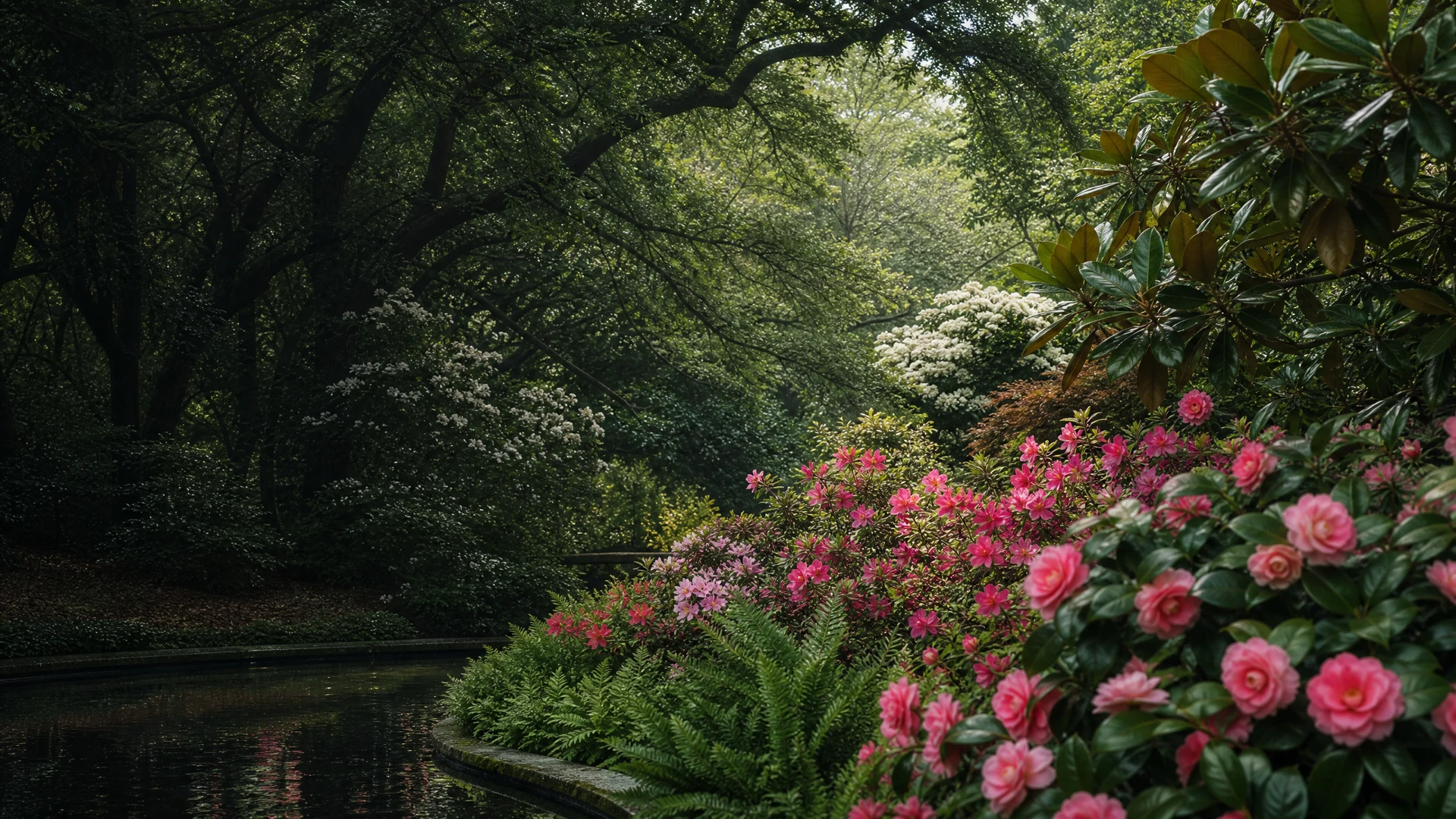
Warm conditions bring an early spring and a long growing season, with camellias and magnolias followed by azaleas, roses, and tropical color.
Garden color at a glance
Typical regional timingJan
Camellias, daffodils, magnolias, and early flowering trees.
Feb
Camellias, daffodils, magnolias, and early flowering trees.
Mar
Peak spring: azaleas, dogwoods, roses, irises, and native wildflowers.
Apr
Peak spring: azaleas, dogwoods, roses, irises, and native wildflowers.
May
Peak spring: azaleas, dogwoods, roses, irises, and native wildflowers.
Jun
Summer color: hydrangeas, crape myrtles, daylilies, and tropical beds.
Jul
Summer color: hydrangeas, crape myrtles, daylilies, and tropical beds.
Aug
Summer color: hydrangeas, crape myrtles, daylilies, and tropical beds.
Sep
Summer color: hydrangeas, crape myrtles, daylilies, and tropical beds.
Oct
Late roses, salvias, camellias, ornamental grasses, and fall color.
Nov
Late roses, salvias, camellias, ornamental grasses, and fall color.
Dec
Camellias and cool-season annuals return as winter begins.
Bloom schedules shift with elevation, microclimate, rainfall, and the previous winter. Use this as a regional planning guide, then check each garden's official bloom tracker or event calendar before making a special trip.
Overview
Alabama, a state rich in natural beauty and diverse ecosystems, offers a vibrant botanical heritage that is meticulously preserved and showcased in its numerous botanical gardens. These green sanctuaries provide not only aesthetic pleasure but also serve as vital centers for horticultural education, plant conservation, and scientific research. From the northern mountains to the southern coast, Alabama's botanical gardens reflect the state's varied landscapes and climates, offering visitors a unique opportunity to explore a wide array of plant species, both native and exotic.
The commitment to botanical excellence in Alabama is evident in the continuous efforts to cultivate and maintain these gardens. They stand as testaments to community dedication, often supported by passionate volunteers and local organizations. These institutions play a crucial role in fostering an appreciation for the natural world, inspiring future generations of botanists, gardeners, and environmental stewards, and contributing significantly to the state's cultural and ecological landscape.
Climate
Alabama's climate is predominantly humid subtropical, characterized by hot, humid summers and mild winters. This favorable climate, combined with abundant rainfall, supports a rich diversity of plant life. The state spans several USDA Plant Hardiness Zones, ranging from 7a in the northernmost regions to 9b along the Gulf Coast, allowing for a broad spectrum of horticultural possibilities.
| Region | USDA Zones | Climate | Notable Plant Types |
|---|---|---|---|
| Northern Alabama | 7a-7b | Cooler winters, moderate summers | Deciduous trees (oaks, maples), azaleas, camellias, hostas, conifers |
| Central Alabama | 7b-8a | Mild winters, hot, humid summers | Magnolias, dogwoods, hydrangeas, crape myrtles, various perennials, ornamental grasses |
| Southern Alabama & Gulf Coast | 8b-9b | Mildest winters, long growing season, tropical influences | Palms, citrus, gardenias, hibiscus, oleanders, camellias, azaleas, subtropical evergreens |
Featured Gardens
Birmingham Botanical Gardens
Birmingham
Founded: 1962
67.5 acres
Admission: Free
24+ garden spaces, diverse plant collections, educational programs.
Learn MoreMobile Botanical Gardens
Mobile
Founded: 1974
100 acres
Admission: Paid
Longleaf pine forest, Japanese Maple Garden, WinterGarden, conservation efforts.
Learn MoreHuntsville Botanical Garden
Huntsville
Founded: 1988
118 acres
Admission: Paid
Butterfly House, aquatic garden, diverse ecosystems, year-round events.
Learn MoreBellingrath Gardens & Home
Theodore
Founded: 1932
65 acres
Admission: Paid
Historic home, seasonal blooms, extensive camellia collection, Gulf Coast Chinese Lantern Festival.
Learn MoreDothan Area Botanical Gardens
Dothan
Founded: 1996
50 acres
Admission: Free
Southern Gardens, camellias, azaleas, nature trails.
Learn MoreComparison of Alabama Botanical Gardens
| Garden | Location | Founded | Acres | Admission | Highlights |
|---|---|---|---|---|---|
| Birmingham Botanical Gardens | Birmingham | 1962 | 67.5 | Free | 24+ garden spaces, diverse plant collections, educational programs. |
| Mobile Botanical Gardens | Mobile | 1974 | 100 | Paid | Longleaf pine forest, Japanese Maple Garden, WinterGarden, conservation efforts. |
| Huntsville Botanical Garden | Huntsville | 1988 | 118 | Paid | Butterfly House, aquatic garden, diverse ecosystems, year-round events. |
| Bellingrath Gardens & Home | Theodore | 1932 | 65 | Paid | Historic home, seasonal blooms, extensive camellia collection, Gulf Coast Chinese Lantern Festival. |
| Dothan Area Botanical Gardens | Dothan | 1996 | 50 | Free | Southern Gardens, camellias, azaleas, nature trails. |
Tips for Visiting Alabama's Botanical Gardens
Visiting Alabama's botanical gardens offers a delightful experience throughout the year, with each season presenting its unique charm. The best seasons to visit are typically spring (March to May) for vibrant blooms like azaleas and dogwoods, and fall (September to November) for cooler temperatures and stunning autumn foliage. Summer can be hot and humid, but many gardens offer shaded areas and indoor conservatories for respite. Winter provides a quieter experience, with camellias and other evergreens providing color.
When planning your visit, it's advisable to wear comfortable walking shoes as you'll likely be exploring extensive grounds. Light, breathable clothing is recommended for warmer months, while layers are suitable for spring and fall. Don't forget essentials like sunscreen, a hat, and insect repellent, especially during summer. Many gardens have cafes or picnic areas, but bringing your own water bottle is always a good idea.
Accessibility is a priority for most botanical gardens, with many offering paved pathways, accessible restrooms, and wheelchair rentals. It's always a good practice to check the specific garden's website or contact them directly for detailed information on accessibility features, especially if you have specific needs. Some gardens may also offer guided tours or electric carts for easier navigation.
Frequently Asked Questions
References
- Birmingham Botanical Gardens Official Website
- Mobile Botanical Gardens Official Website
- Huntsville Botanical Garden Official Website
- Bellingrath Gardens & Home Official Website
- Dothan Area Botanical Gardens Official Website
- USDA Plant Hardiness Zone Map
- Wikipedia: List of botanical gardens and arboretums in Alabama
BotanicalGardens.blog Editorial Team
Editorial research & source verification
About the editorial team
BotanicalGardens.blog publishes as an editorial team. We do not claim individual credentials or first-hand visits unless a page identifies and substantiates them. Our process prioritizes official garden records, public institutions, and clearly named sources.
Editorial verification
This guide is researched from official garden pages, public institutions, and other named sources where available. Visitor details can change; confirm hours, ticketing, and accessibility directly with the garden before a special trip.
Read our editorial standards or report a correction at corrections@botanicalgardens.blog.