Alaska · Est. 1906
Georgeson Botanical Garden
Experience the unique beauty and scientific innovation of the world's farthest-north botanical garden, thriving under the midnight sun.
Founded
1906
Size
5 acres
Hardiness Zone
USDA Zone 2a/2b
Best Season
June and July for peak peony blooms and vibrant annual displays
About Georgeson Botanical Garden
The Georgeson Botanical Garden, located within 100 miles of the Arctic Circle, is a nationally recognized center for high-latitude horticulture. It serves as a living laboratory for research, education, and outreach, showcasing an abundance of herbs, ornamental trees, vegetables, and flowers adapted to the subarctic climate. The garden's unique location allows for a prolonged growing season under the midnight sun, contributing to its distinctive plant collections and research focus.
History & Heritage
Established in 1906 as part of the Fairbanks Experiment Farm, the garden is named after Charles Christian Georgeson, a USDA Special Agent who initiated agricultural investigations in Alaska in 1899. Dr. Georgeson's pioneering work laid the foundation for understanding agriculture in the challenging Alaskan environment. A portion of this original land was later annexed to form the first campus of the University of Alaska, integrating the garden's research mission with academic pursuits.
Signature Feature
Peony Research and Cultivation
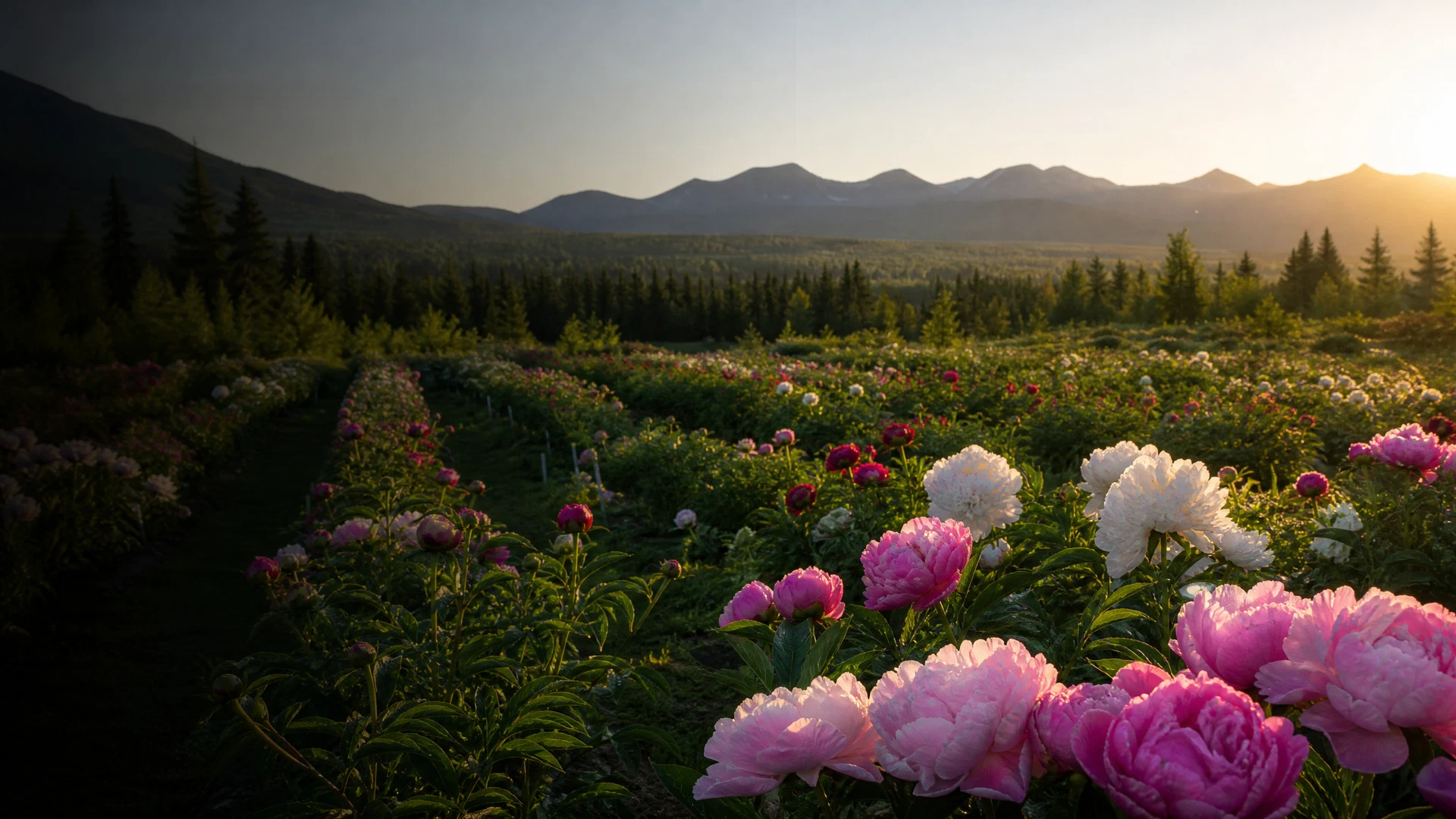
The Georgeson Botanical Garden is renowned for its extensive research and cultivation of peonies, which flourish dramatically during the Alaskan summer. A ten-year effort, beginning in 2001, explored the feasibility of exporting fresh-cut flowers, leading to a burgeoning peony industry since 2007. The late blooming season in Alaska provides a competitive advantage in global markets, making the garden a key player in peony development.
Photo Gallery

Vibrant blooms under the Alaskan sky
Lush greenery thriving in a subarctic climate
A serene pathway through diverse plant collections
Notable Collections
Subarctic Perennials
A diverse collection of perennial plants specifically adapted to survive and thrive in the extreme cold and unique light conditions of the subarctic region.
Annual Trial Gardens
Featuring a rotating display of annual flowers and vegetables, these trials assess plant performance and adaptability in high-latitude environments, providing valuable data for local growers.
Native Alaskan Plants
Dedicated to the study and preservation of indigenous Alaskan flora, this collection highlights the biodiversity and ecological significance of plants native to the region.
Herb Garden
An aromatic collection of culinary and medicinal herbs, demonstrating which varieties can be successfully grown and utilized in a subarctic climate.
Plan Before You Go
Hours, Parking & Accessibility
Hours & Seasonal Timing
May through September, during daylight hours
Best seasonal window: June and July for peak peony blooms and vibrant annual displays
Parking & Arrival
Available on University of Alaska Fairbanks campus
Check the official visit page for event-day parking changes and arrival instructions.
Accessibility
Paths are generally accessible, but some areas may have uneven terrain. Contact for specific needs.
Contact the garden before visiting to discuss route conditions, mobility equipment, or support needs.
Visitor details are reviewed from the garden's public information and were last checked May 2026. Policies, prices, and route conditions can change; confirm final arrangements directly with the garden.
Recognition & Awards
- Nationally recognized for high-latitude horticulture research
Editorial Standards
This profile was prepared by the BotanicalGardens.blog editorial research desk using official garden pages and other named sources where available. Hours, admission, and access details can change; confirm them with the garden before a special trip. This profile was last reviewed May 2026. If you notice an inaccuracy, please contact us.
Plan Your Visit
June and July for peak peony blooms and vibrant annual displays
Address
117 West Tanana Drive, University of Alaska Fairbanks, Fairbanks, AK 99975
Phone
907-474-6921
Hours
May through September, during daylight hours
Admission
$5 per person, children 6 and under free
Parking
Available on University of Alaska Fairbanks campus
Accessibility
Paths are generally accessible, but some areas may have uneven terrain. Contact for specific needs.
Insider Tips
- 1Visit during the summer months to experience the full glory of the midnight sun growing season.
- 2Check the garden's website for special events, workshops, and guided tours.
- 3Wear comfortable shoes as you explore the diverse collections and research plots.
- 4Bring a camera to capture the unique beauty of subarctic horticulture.
Nearby Attractions
- University of Alaska Museum of the North (2 miles)
- Creamer's Field Migratory Waterfowl Refuge (5 miles)
- Pioneer Park (3 miles)