Indiana Botanical Gardens: A Verdant Journey Through the Hoosier State
Dr. Flora Green
Editorial research & source verification
Overview
Indiana possesses a wealth of botanical gardens, allowing plant researchers to study the plants growing there as well as provide casual visitors with inspiration, serenity, and peace. The state's botanical history includes institutions like the Indiana Botanic Gardens, founded in 1910, which initially focused on bulk herbals and natural remedies.
From the expansive collections at Gabis Arboretum to the historic charm of Friendship Botanic Gardens, Indiana offers a diverse array of horticultural experiences. These gardens serve as vital centers for plant conservation, education, and community engagement, showcasing both native flora and exotic species adapted to the region's climate.
Climate & Hardiness Zones
Indiana experiences a humid continental climate, generally falling within USDA planting zones 5b to 6b. This climate is characterized by warm, humid summers and cold winters, influencing the types of plants that thrive in the state's botanical gardens.
| Region | USDA Hardiness Zone | Characteristics |
|---|---|---|
| Northern Indiana | 5b-6a | Colder winters, suitable for hardy perennials and trees. |
| Central Indiana | 6a-6b | Moderate winters, wider range of plant options. |
| Southern Indiana | 6b | Milder winters with some subtropical influence, allowing for more tender plants. |
Featured Gardens
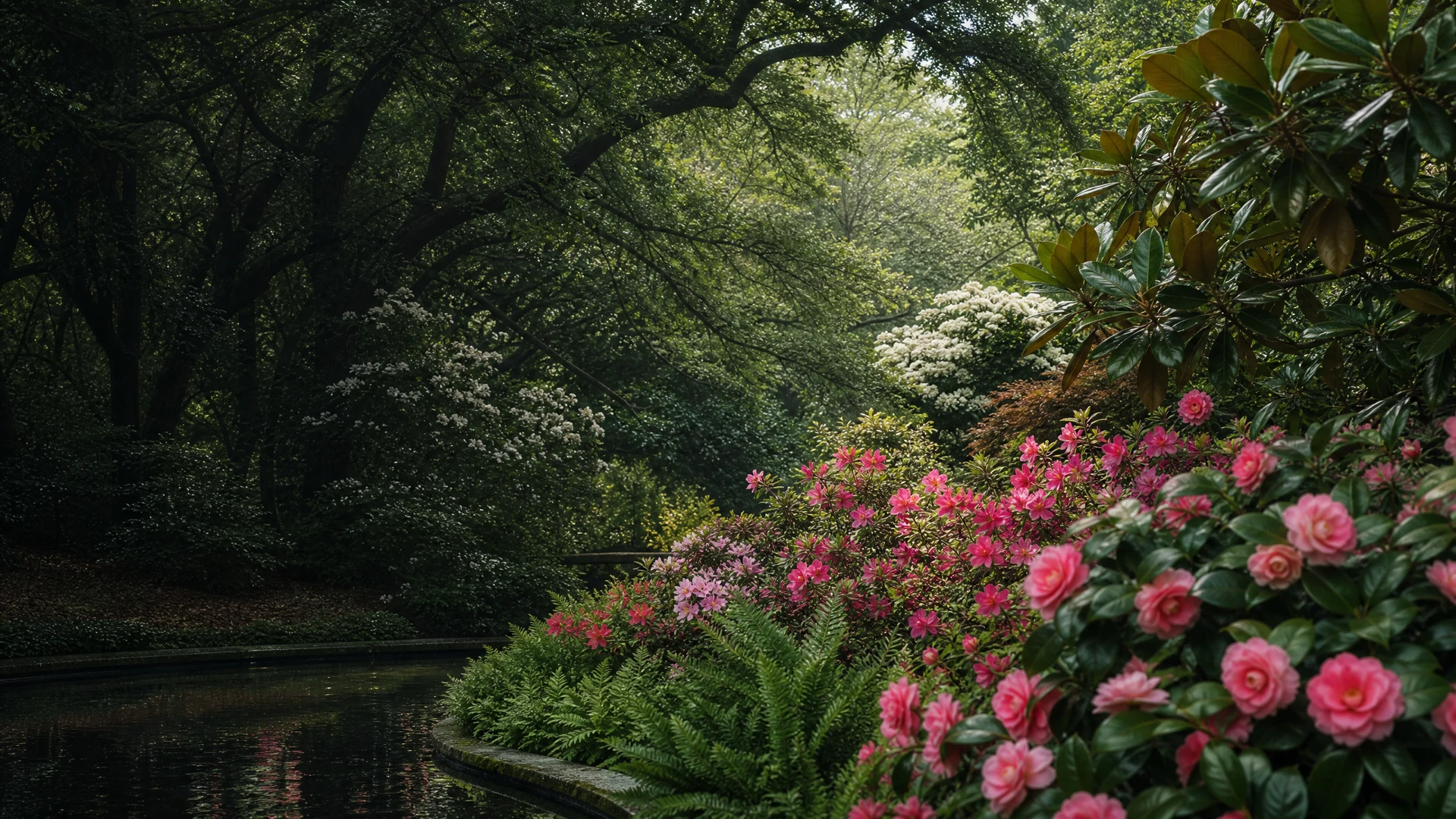
Gabis Arboretum at Purdue Northwest
Valparaiso, IN
Founded: 1998
Size: 360 acres
Admission: $10 adults
Friendship Botanic Gardens
Michigan City, IN
Founded: 1933
Size: 105 acres
Admission: $10 adults
Wellfield Botanic Gardens
Elkhart, IN
Founded: 2005
Size: 36 acres
Admission: $10 adults
Foellinger-Freimann Botanical Conservatory
Fort Wayne, IN
Founded: 1983
Size: Indoor
Admission: $7 adults
Garfield Park Conservatory & Sunken Garden
Indianapolis, IN
Founded: 1908
Size: 3 acres Sunken Garden + 10,000 sq ft Conservatory
Admission: $5 conservatory, free sunken garden
Garden Comparison Table
| Garden Name | Location | Founded | Size | Admission | Key Features |
|---|---|---|---|---|---|
| Gabis Arboretum | Valparaiso | 1998 | 360 acres | $10 | Oak collection, model railway |
| Friendship Botanic Gardens | Michigan City | 1933 | 105 acres | $10 | Historic international gardens |
| Wellfield Botanic Gardens | Elkhart | 2005 | 36 acres | $10 | Themed gardens |
| Foellinger-Freimann Conservatory | Fort Wayne | 1983 | Indoor | $7 | Indoor tropical/desert |
| Garfield Park Conservatory | Indianapolis | 1908 | 3 acres | $5/$Free | Historic formal garden |
Visitor Tips
- Check Hours and Admission: Always verify the latest operating hours, admission fees, and any special event schedules on the garden's official website before your visit.
- Dress for the Weather: Many gardens have extensive outdoor areas. Wear comfortable walking shoes and dress appropriately for Indiana's weather conditions, including sun protection or rain gear.
- Stay Hydrated: Bring a water bottle, especially during warmer months, as you'll likely be doing a lot of walking.
- Photography Etiquette: Most gardens welcome photography for personal use, but be mindful of other visitors and respect any restrictions on commercial photography or drones.
- Respect the Plants: Stay on designated paths, do not pick flowers or disturb plant beds, and leave no trace behind.
- Plan Your Route: With larger gardens, consider looking at a map beforehand to prioritize areas you wish to see, especially if you have limited time.
- Family-Friendly Activities: Many gardens offer children's gardens or specific activities for younger visitors. Check their programs if you're visiting with family.
Frequently Asked Questions
References
- Gabis Arboretum at Purdue Northwest Official Site
- Friendship Botanic Gardens Official Site
- Wellfield Botanic Gardens Official Site
- Foellinger-Freimann Botanical Conservatory Official Site
- Garfield Park Conservatory & Sunken Garden Official Site
- Gabis Arboretum at Purdue Northwest Wikipedia
- Foellinger-Freimann Botanical Conservatory Wikipedia
Dr. Flora Green
Editorial research & source verification
About the editorial team
BotanicalGardens.blog publishes as an editorial team. We do not claim individual credentials or first-hand visits unless a page identifies and substantiates them. Our process prioritizes official garden records, public institutions, and clearly named sources.
Editorial verification
This guide is researched from official garden pages, public institutions, and other named sources where available. Visitor details can change; confirm hours, ticketing, and accessibility directly with the garden before a special trip.
Read our editorial standards or report a correction at corrections@botanicalgardens.blog. Last reviewed May 19, 2026.