Accommodation near Denver Botanic Gardens
Search results are centered on the garden address; verify the property’s current distance and transport options before booking.
Compare stays on Booking.com (opens in a new tab)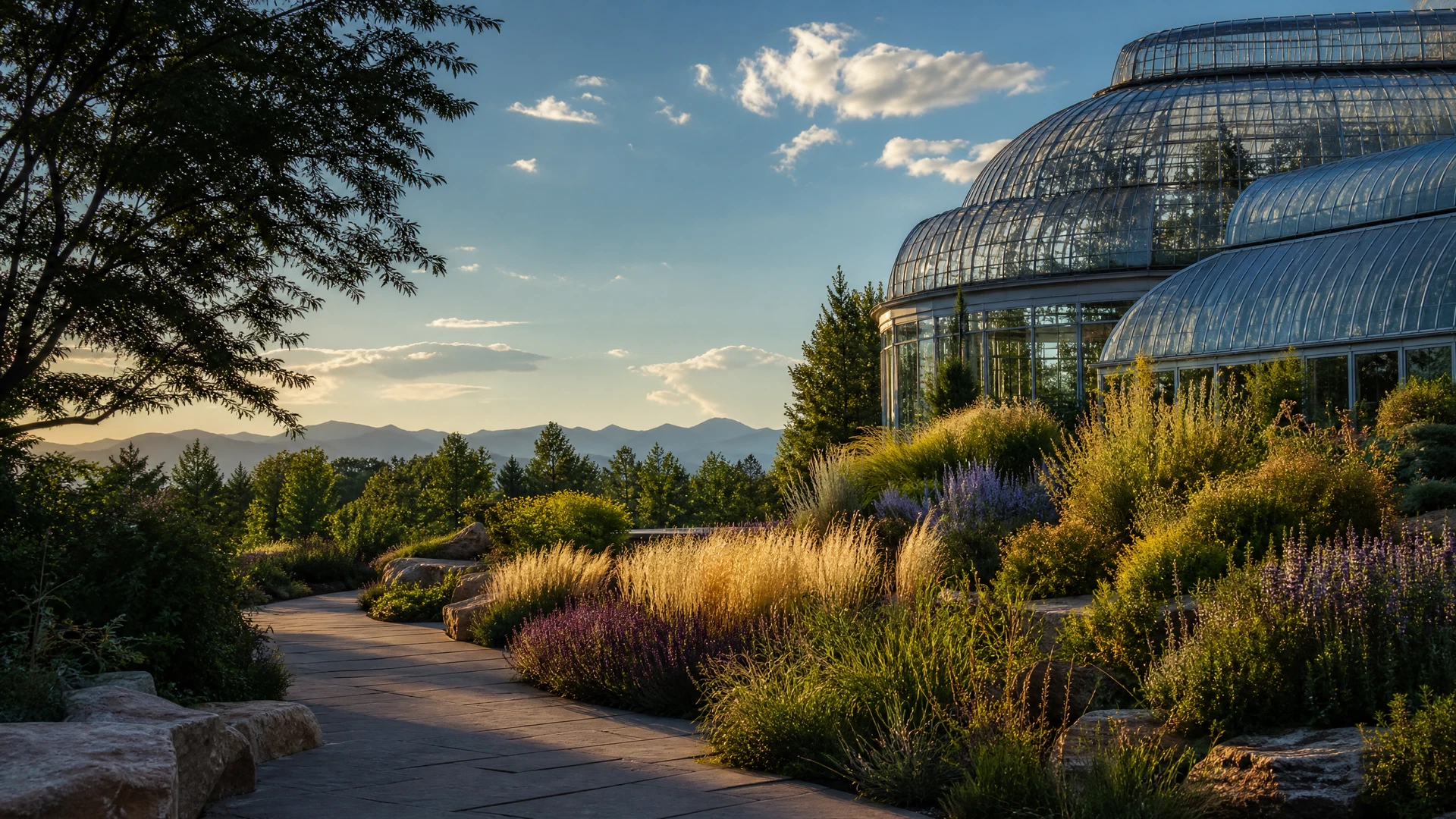
Colorado · Est. 1951
An urban oasis showcasing the beauty and diversity of plants from the Rocky Mountains and around the world.
Founded
1951
Size
24 acres
Hardiness Zone
USDA Zone 5b/6a
Best Season
April to October for peak blooms and outdoor activities, but conservatories offer year-round enjoyment.
The Denver Botanic Gardens, established in 1951, is a 24-acre botanical garden located in the Cheesman Park neighborhood. It is renowned for its diverse plant collections, innovative gardens, and commitment to education and conservation. The gardens offer a year-round experience, featuring both temperate and tropical plant life, making it a vital cultural and scientific institution in Denver.
Founded in 1951 by a group of horticulturally-minded citizens, the Denver Botanic Gardens quickly grew from a vision into a significant civic organization. In 1973, the iconic Boettcher Memorial Tropical Conservatory, a pioneering structure made of concrete and Plexiglas, was awarded landmark status. The Gardens further innovated in 1986 by creating the world's first Xeriscape Demonstration Garden, later named Dryland Mesa, showcasing drought-tolerant plants and sustainable landscaping principles.
Signature Feature
The Boettcher Memorial Tropical Conservatory is a landmark architectural marvel, noted for being the first conservatory in America constructed entirely of concrete and Plexiglas. This innovative design channels condensation away from visitors, providing an immersive tropical experience. It houses a vibrant collection of exotic plants, offering a warm, humid escape even in the depths of winter.
Bloom-planning note
The strongest overall display is typically April to October for peak blooms and outdoor activities, but conservatories offer year-round enjoyment.. That window combines the garden's major collections with the regional sequence of flowering trees, bulbs, perennials, and seasonal color.
In the broader Rocky Mountain season, a shorter high-elevation growing season concentrates color from late spring into summer, with wildflowers and alpine collections at their strongest.
Timing changes with weather, elevation, and individual collection conditions. Confirm bloom progress directly with the garden before planning a special visit.

Vibrant floral displays at Denver Botanic Gardens
Tranquil pathways winding through diverse plant collections
The stunning architecture of the Boettcher Memorial Tropical Conservatory
Features a diverse array of plants adapted to high-altitude, rocky environments, showcasing species from alpine regions worldwide.
A stunning architectural greenhouse housing a rich collection of tropical and subtropical plants from various global ecosystems.
An interactive and educational space designed for children to explore nature through hands-on activities and themed garden areas.
The world's first Xeriscape Demonstration Garden, established in 1986, featuring drought-tolerant plants from arid Western and Mediterranean climates.
Plan Before You Go
Daily, 9:00 a.m. - 8:00 p.m. (seasonal variations apply, check website for current hours)
Best seasonal window: April to October for peak blooms and outdoor activities, but conservatories offer year-round enjoyment.
Limited free parking is available in the parking complex between York and Josephine streets. Street parking is available in Cheesman Park or Congress Park. EV charging stations are available.
Check the official visit page for event-day parking changes and arrival instructions.
The Gardens strive to be a welcoming space for all visitors, continuously working to improve accessibility across all locations. Accessible pathways and facilities are available.
Contact the garden before visiting to discuss route conditions, mobility equipment, or support needs.
Visitor details are reviewed from the garden's public information and were last checked May 2026. Policies, prices, and route conditions can change; confirm final arrangements directly with the garden.
Editorial Standards
This profile was prepared by the BotanicalGardens.blog editorial research desk using official garden pages and other named sources where available. Hours, admission, and access details can change; confirm them with the garden before a special trip. This profile was last reviewed May 2026. If you notice an inaccuracy, please contact us.
April to October for peak blooms and outdoor activities, but conservatories offer year-round enjoyment.
Address
1007 York Street, Denver, CO 80206
Phone
720-865-3500
Hours
Daily, 9:00 a.m. - 8:00 p.m. (seasonal variations apply, check website for current hours)
Admission
Adults: $14, Seniors (65+), Military & Veterans (w/ID): $11, Children (3-15) & Students (w/ID): $7, Children 2 and Under: Free, Members: Free
Parking
Limited free parking is available in the parking complex between York and Josephine streets. Street parking is available in Cheesman Park or Congress Park. EV charging stations are available.
Accessibility
The Gardens strive to be a welcoming space for all visitors, continuously working to improve accessibility across all locations. Accessible pathways and facilities are available.
For an overnight visit, compare options around the garden address and choose the route, accessibility features, and cancellation terms that fit your plans.
Search results are centered on the garden address; verify the property’s current distance and transport options before booking.
Compare stays on Booking.com (opens in a new tab)