Connecticut Botanical Gardens: New England's Floral Heritage
BotanicalGardens.blog Editorial Team
Editorial research & source verification
Northeast & New England seasonal guide
Connecticut Month-by-Month Bloom Calendar
Expect a defined but vivid warm-season arc: bulbs and flowering trees in spring, perennial abundance in summer, then notable foliage in autumn.
Garden color at a glance
Typical regional timingJan
Winter structure, indoor conservatory color, and very early witch hazel.
Feb
Winter structure, indoor conservatory color, and very early witch hazel.
Mar
Winter structure, indoor conservatory color, and very early witch hazel.
Apr
Daffodils, magnolias, cherries, ephemerals, and early azaleas.
May
Daffodils, magnolias, cherries, ephemerals, and early azaleas.
Jun
Peak garden season: roses, peonies, irises, lilacs, and water gardens.
Jul
Peak garden season: roses, peonies, irises, lilacs, and water gardens.
Aug
Late-summer borders: hydrangeas, lilies, natives, and pollinator plants.
Sep
Late-summer borders: hydrangeas, lilies, natives, and pollinator plants.
Oct
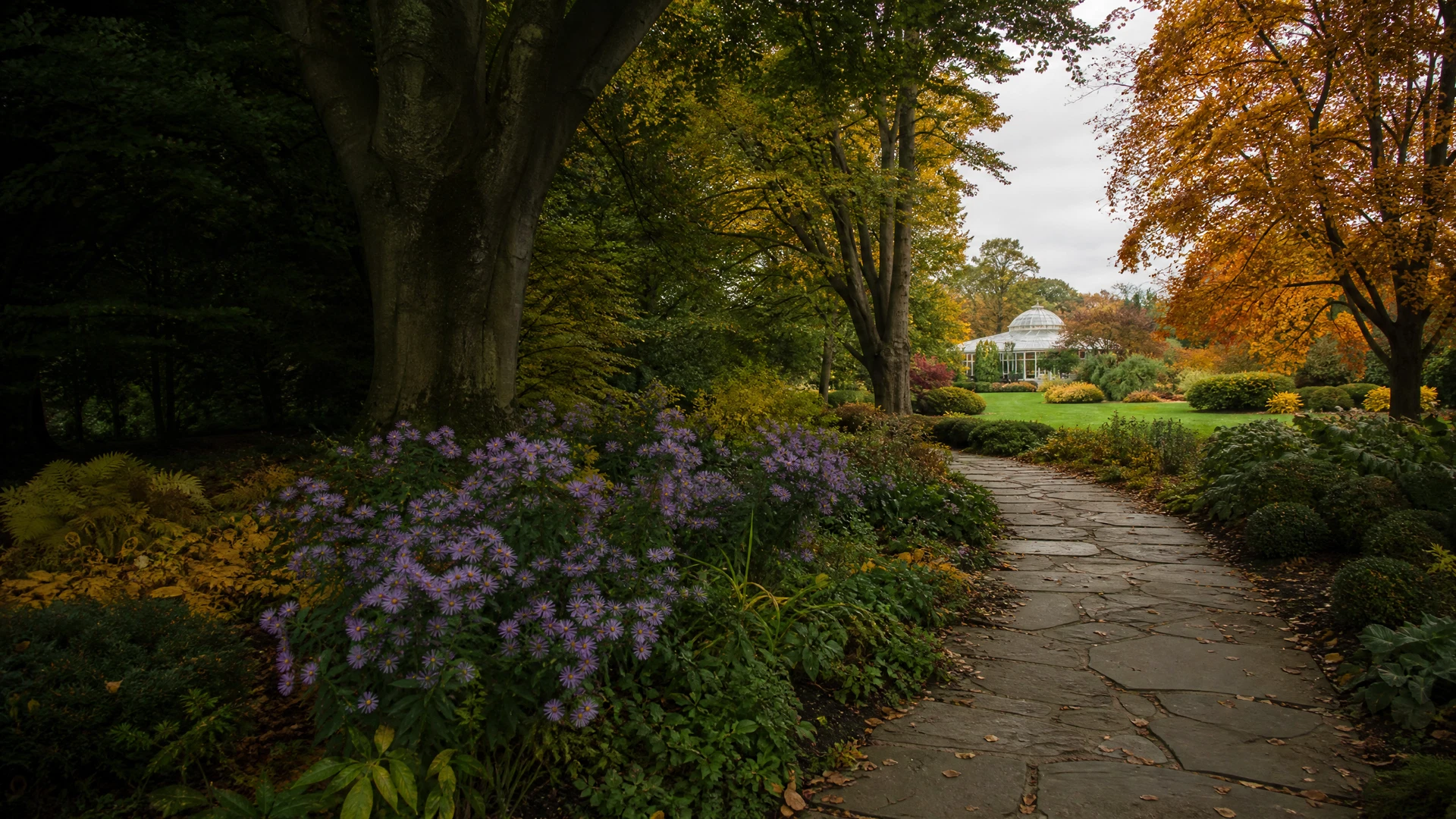
Maples, grasses, asters, berries, and fall foliage at its strongest.
Nov
Maples, grasses, asters, berries, and fall foliage at its strongest.
Dec
Evergreen structure and holiday greenhouse displays.
Bloom schedules shift with elevation, microclimate, rainfall, and the previous winter. Use this as a regional planning guide, then check each garden's official bloom tracker or event calendar before making a special trip.
Discover Connecticut's Botanical Treasures
Connecticut, a state rich in history and natural beauty, offers a diverse array of botanical gardens that showcase both native flora and exotic species. Nestled within the humid continental climate of USDA Zones 5b–7a, these gardens thrive, presenting stunning displays from early spring through late autumn. From historic rose gardens to expansive arboretums and meticulously designed landscapes, Connecticut's botanical sites provide serene escapes and educational opportunities for plant enthusiasts and casual visitors alike. This guide explores some of the state's most prominent botanical destinations, highlighting their unique features, historical significance, and what makes them must-visit locations.
Helen S Kaman Rose Garden
Elizabeth Park, West Hartford, CT
The Helen S Kaman Rose Garden, a jewel within Elizabeth Park in West Hartford, holds the distinction of being the first municipal rose garden in the United States and ranks as the third largest today. Conceived by the visionary landscape architect Theodore Wirth, this garden first opened its gates in June 1904. It began with a modest collection of approximately 190 rose varieties, which expanded significantly to nearly 1,000 by the 1950s. Today, the garden boasts an impressive collection of over 15,000 rose bushes, representing 800 varieties of both heirloom and modern roses. Visitors can admire hybrid teas, climbers, hybrid perpetuals, floribundas, shrub roses, and pillar roses, among others. A central feature is the historic gazebo, reconstructed in 2005 using original plans and covered in Virginia creeper, from which ramblers radiate on arches. These arches create a spectacular display when in full bloom from mid-June to early July, though many other rose varieties continue to flower until the fall. The garden also served as the first official test garden for the American Rose Society starting in 1912, contributing valuable information to rose cultivation. In 2020, it was named in honor of Helen S Kaman, the first president of the Elizabeth Park Conservancy, recognizing her significant contributions. This iconic garden remains a beloved spot for weddings, photography, and public enjoyment, embodying Wirth's belief that "Roses bring joy to the public." [1]
Connecticut College Arboretum
Connecticut College, New London, CT
Spanning 750 acres across the campus of Connecticut College in New London, the Connecticut College Arboretum is a living museum dedicated to native plants and ecological research. Established in 1931, the Arboretum serves as a vital resource for teaching, conservation, and public education, offering a unique opportunity to explore the natural world. Its diverse collections include the Native Plant Collection, which showcases trees, shrubs, and woody vines indigenous to Eastern North America, adapted to the local humid continental climate. Highlights within this collection are the Lincoln and Lillian Dauby Gries Conifer Collection, the Nancy Moss Fine Native Azalea Garden, and the Edgerton and Stengel Wildflower Gardens, each offering specialized displays of plant diversity. The Caroline Black Garden features a mature collection of ornamental trees, shrubs, and grasses from around the world, providing a striking contrast to the native landscapes. Additionally, the Arboretum maintains a greenhouse with tropical and cactus collections, used for both display and experimentation. Open year-round and free to the public, the Arboretum invites visitors to enjoy its extensive trail system, participate in educational programs, or simply find solace in its serene natural areas. It plays a crucial role in preserving biodiversity and fostering an understanding of ecological principles. [2]
Glebe House Museum & Gertrude Jekyll Garden
Woodbury, CT
The Glebe House Museum in Woodbury is home to a unique historical and horticultural treasure: the only American garden designed by the influential British garden designer Gertrude Jekyll. The house itself, built around 1740, is an architectural blend of gambrel and saltbox styles, offering a glimpse into 18th-century Connecticut life. However, it is the garden, designed in 1926, that draws significant horticultural interest. Gertrude Jekyll, a pioneer of the Arts and Crafts movement in garden design, emphasized naturalistic planting schemes, color harmony, and the use of hardy perennials. Her design for the Glebe House garden reflects these principles, featuring carefully curated period plantings that complement the historic architecture. The garden provides a rare opportunity to experience Jekyll's distinctive style firsthand, showcasing her mastery of texture, form, and seasonal interest. Visitors can explore the garden year-round, from dawn to dusk, enjoying self-guided tours that reveal its intricate design and historical context. The museum offers guided tours of the house, providing a deeper understanding of the property's past and its connection to early American history. The combination of a well-preserved 18th-century home and a historically significant garden makes the Glebe House Museum a vital cultural and botanical site in Connecticut. [3]
White Flower Farm Display Gardens
Litchfield, CT
White Flower Farm, a renowned mail-order nursery established in 1950, extends an invitation to visitors to explore its captivating display gardens in Litchfield, Connecticut. These meticulously maintained gardens serve as a living catalog, showcasing a vast array of perennials, annuals, shrubs, and bulbs that thrive in the New England climate. Visitors can wander through diverse plantings, gaining inspiration for their own home gardens and observing mature specimens in various settings. The display gardens are designed to educate and inspire, demonstrating effective plant combinations, seasonal interest, and successful cultivation techniques. From vibrant perennial borders to carefully curated shrub collections, the gardens offer a dynamic and ever-changing horticultural experience. White Flower Farm's commitment to quality and horticultural excellence is evident in these gardens, which are a testament to decades of plant expertise. It's a perfect destination for both seasoned gardeners seeking new ideas and novices looking to learn more about plant selection and care. The farm also hosts various events and workshops throughout the growing season, further enriching the visitor experience. [4]
Climate and Hardiness Zones in Connecticut
Connecticut's climate is characterized as humid continental, experiencing four distinct seasons. This climate, combined with varied topography, results in USDA Plant Hardiness Zones ranging primarily from 5b to 7a. These zones dictate which plants can successfully survive winter temperatures in a given area. Zone 5b experiences average annual extreme minimum temperatures between -15°F and -10°F, while Zone 7a sees temperatures between 0°F and 5°F. This range allows for a wide variety of plant life to flourish across the state, from cold-hardy evergreens to more temperate flowering plants. Gardeners in Connecticut often consult these zones to select appropriate species for their landscapes, ensuring plant health and longevity. The state's proximity to the Atlantic Ocean also influences its climate, moderating temperatures in coastal areas compared to inland regions.
| USDA Zone | Region in Connecticut | Avg. Annual Extreme Min. Temp. |
|---|---|---|
| 5b | Northern and higher elevation areas | -15°F to -10°F (-26.1°C to -23.3°C) |
| 6a | Central and inland areas | -10°F to -5°F (-23.3°C to -20.6°C) |
| 6b | Southern and coastal inland areas | -5°F to 0°F (-20.6°C to -17.8°C) |
| 7a | Coastal areas and urban centers | 0°F to 5°F (-17.8°C to -15°C) |
Garden Comparison
To help visitors plan their horticultural adventures, here's a comparative overview of some of Connecticut's notable botanical gardens, highlighting their key characteristics and offerings.
| Garden Name | Founded | Acres | Admission | Best Season |
|---|---|---|---|---|
| Helen S Kaman Rose Garden | 1904 | 2.5 | Free | June to October, with arches peaking mid-June to early July |
| Connecticut College Arboretum | 1931 | 750 | Free | Year-round, with specific blooms in spring and fall |
| Glebe House Museum & Gertrude Jekyll Garden | 1740 | 1 | Fee for museum, garden open year-round dawn-dusk | Spring to Fall |
| White Flower Farm Display Gardens | 1950 | 10 | Free | May to October |
Frequently Asked Questions
Reviewed by the BotanicalGardens.blog editorial research desk. Last updated May 2026.
References
BotanicalGardens.blog Editorial Team
Editorial research & source verification
About the editorial team
BotanicalGardens.blog publishes as an editorial team. We do not claim individual credentials or first-hand visits unless a page identifies and substantiates them. Our process prioritizes official garden records, public institutions, and clearly named sources.
This guide was last updated May 1, 2026 and is reviewed whenever a garden changes visitor information, seasonal programming, or access policies.
Editorial verification
This guide is researched from official garden pages, public institutions, and other named sources where available. Visitor details can change; confirm hours, ticketing, and accessibility directly with the garden before a special trip.
Read our editorial standards or report a correction at corrections@botanicalgardens.blog. Last reviewed May 2026.