Hawaii Botanical Gardens: Tropical Paradise & Rare Native Flora
BotanicalGardens.blog Editorial Team
Editorial research & source verification
Tropical & Subtropical seasonal guide
Hawaii Month-by-Month Bloom Calendar
Warm climates provide meaningful color year-round. The most comfortable visit windows are generally the cooler, drier months, while summer intensifies tropical growth.
Garden color at a glance
Typical regional timingJan
Comfortable-season color: orchids, palms, flowering trees, and tropical shrubs.
Feb
Comfortable-season color: orchids, palms, flowering trees, and tropical shrubs.
Mar
Comfortable-season color: orchids, palms, flowering trees, and tropical shrubs.
Apr
Comfortable-season color: orchids, palms, flowering trees, and tropical shrubs.
May
Lush wet-season growth: gingers, hibiscus, water plants, and heat-loving collections.
Jun
Lush wet-season growth: gingers, hibiscus, water plants, and heat-loving collections.
Jul
Lush wet-season growth: gingers, hibiscus, water plants, and heat-loving collections.
Aug
Lush wet-season growth: gingers, hibiscus, water plants, and heat-loving collections.
Sep
Lush wet-season growth: gingers, hibiscus, water plants, and heat-loving collections.
Oct
Year-round color continues with orchids, bromeliads, palms, and flowering trees.
Nov
Year-round color continues with orchids, bromeliads, palms, and flowering trees.
Dec
Year-round color continues with orchids, bromeliads, palms, and flowering trees.
Bloom schedules shift with elevation, microclimate, rainfall, and the previous winter. Use this as a regional planning guide, then check each garden's official bloom tracker or event calendar before making a special trip.
Discovering Hawaii's Botanical Treasures
Hawaii, a volcanic archipelago in the central Pacific, is a living testament to nature's artistry, boasting an unparalleled collection of botanical wonders. Its unique isolation and diverse microclimates, ranging from lush rainforests to arid lava fields, have fostered an extraordinary array of endemic plant species. The state falls predominantly within USDA Hardiness Zones 11–13, characterized by a tropical climate that allows for year-round growth and flowering. This consistent warmth and abundant rainfall create an ideal environment for a vibrant tapestry of flora, making Hawaii's botanical gardens not just places of beauty, but crucial centers for conservation, research, and cultural preservation.
From the ancient banyan trees of Honolulu's historic gardens to the meticulously preserved native ecosystems on Kauai, these botanical sanctuaries offer visitors an immersive journey into the heart of Hawaii's natural heritage. They serve as vital refuges for endangered species, educational hubs for ethnobotany, and serene landscapes where the profound connection between Hawaiian culture and its plant kingdom is celebrated.
Featured Botanical Gardens in Hawaii
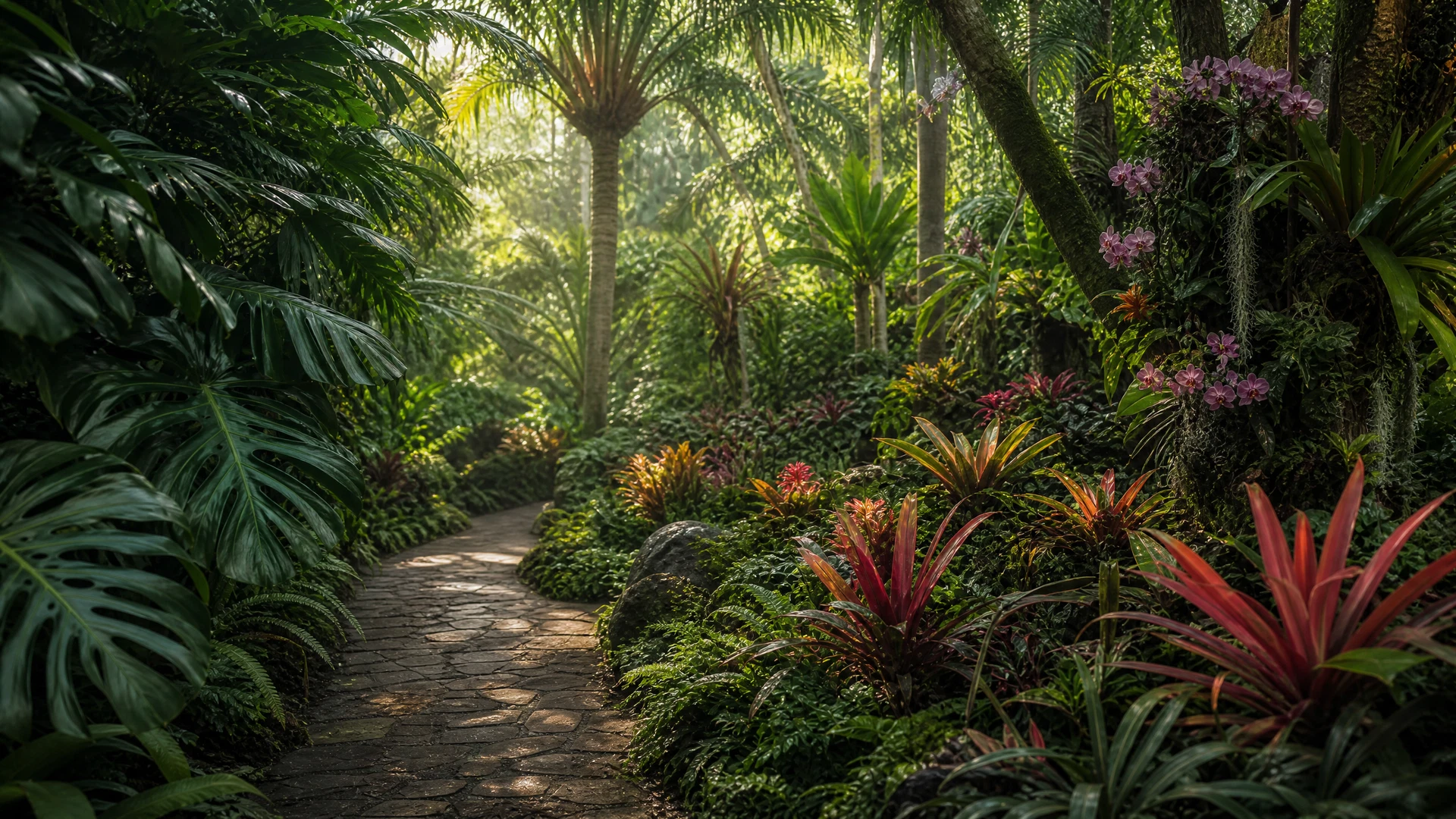
Foster Botanical Garden
Iconic Feature: Ancient Banyan Trees & Exceptional Aroids
Collections: Exceptional Trees, Palms, Aroids, Heliconias, Orchids, Prehistoric Cycads
Lyon Arboretum
Iconic Feature: Rainforest Research & Native Hawaiian Plants
Collections: Native Hawaiian Plants, Palms, Aroids, Ginger, Heliconias, Ethnobotanical Garden
Waimea Valley Botanical Garden
Iconic Feature: Waimea Falls & Hawaiian Cultural Sites
Collections: Hawaiian Plants, Tropical Plants, Medicinal Plants, Ethnobotanical Collections
NTBG - Allerton Garden
Iconic Feature: Dramatic Water Features & Movie Filming Locations
Collections: Tropical Fruits, Flowering Trees, Palms, Aroids, Spice Plants
NTBG - Limahuli Garden
Iconic Feature: Ancient Hawaiian Agricultural Terraces & Native Flora
Collections: Native Hawaiian Plants, Canoe Plants, Endangered Species
Hawaii's Climate and Hardiness Zones
Hawaii's climate is predominantly tropical, characterized by warm temperatures year-round and distinct wet and dry seasons, though these can vary significantly across islands and even within short distances due to elevation and trade winds. The USDA Plant Hardiness Zones for Hawaii generally range from Zone 11 to 13, indicating very mild winters where frost is rare or non-existent, allowing a vast array of tropical and subtropical plants to flourish.
| USDA Zone | Region | Average Annual Extreme Minimum Temperature |
|---|---|---|
| Zone 11 | Coastal and lower elevation areas | 40°F to 50°F (4.4°C to 10°C) |
| Zone 12 | Mid-elevation tropical areas | 50°F to 60°F (10°C to 15.6°C) |
| Zone 13 | Warmest, low-elevation coastal areas | Above 60°F (Above 15.6°C) |
This range of zones supports an incredible biodiversity, from the dryland forests of leeward coasts to the perpetually wet rainforests of windward slopes. The consistent warmth and high humidity are perfect for a vast array of tropical plants, including orchids, heliconias, palms, and aroids, which are prominently featured in the state's botanical collections.
Comparing Hawaii's Premier Botanical Gardens
To help you plan your botanical adventure, here's a comparison of some of Hawaii's most renowned gardens, highlighting their key features and visitor information.
| Garden Name | Founded | Acres | Admission | Best Season |
|---|---|---|---|---|
| Foster Botanical Garden | 1853 | 13.5 | $5 for adults, $3 for residents, free for children under 6 | Year-round |
| Lyon Arboretum | 1918 | 194 | Free (donations encouraged) | Year-round |
| Waimea Valley Botanical Garden | 1976 | 1875 | $25 for adults, $18 for seniors/students, $14 for children | Year-round |
| NTBG - Allerton Garden | 1964 | 80 | Tours starting at $65 | Year-round |
| NTBG - Limahuli Garden | 1976 | 17 | $30 for adults | Year-round |
Each garden offers a distinct experience, from the historical significance of Foster Botanical Garden to the cultural immersion at Waimea Valley and the scientific focus of Lyon Arboretum and the NTBG sites. Regardless of your preference, Hawaii's botanical gardens promise an unforgettable encounter with tropical biodiversity.
Frequently Asked Questions
References
BotanicalGardens.blog Editorial Team
Editorial research & source verification
About the editorial team
BotanicalGardens.blog publishes as an editorial team. We do not claim individual credentials or first-hand visits unless a page identifies and substantiates them. Our process prioritizes official garden records, public institutions, and clearly named sources.
This guide was last updated May 1, 2026 and is reviewed whenever a garden changes visitor information, seasonal programming, or access policies.
Editorial verification
This guide is researched from official garden pages, public institutions, and other named sources where available. Visitor details can change; confirm hours, ticketing, and accessibility directly with the garden before a special trip.
Read our editorial standards or report a correction at corrections@botanicalgardens.blog. Last reviewed May 2026.