Accommodation near Chicago Botanic Garden
Search results are centered on the garden address; verify the property’s current distance and transport options before booking.
Compare stays on Booking.com (opens in a new tab)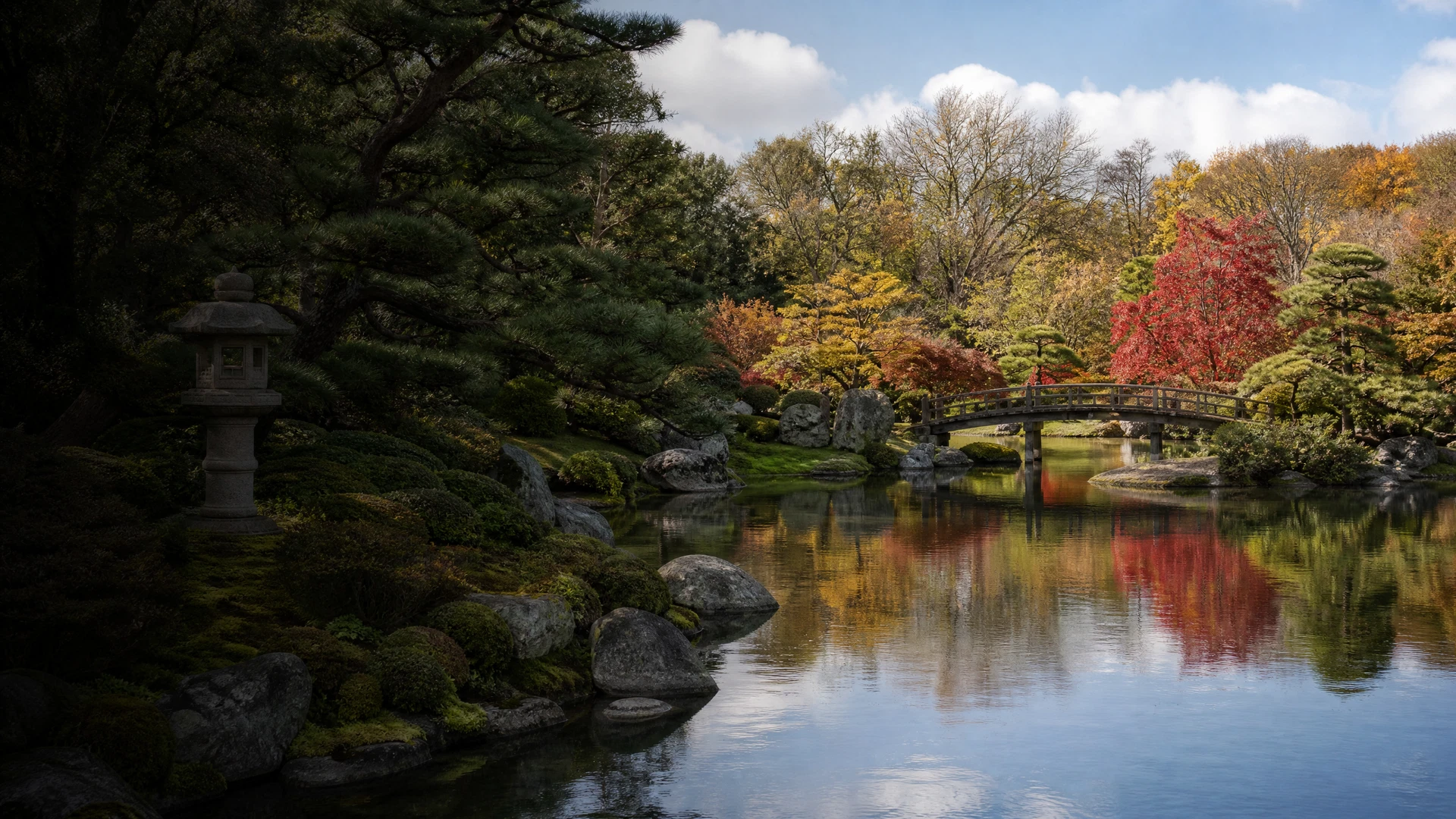
Illinois · Est. 1972
385 acres, 27 gardens, nine islands — and free to enter
Founded
1972
Size
385 acres
Hardiness Zone
USDA Zone 6a
Best Season
May through October for peak blooms and attractions like the Model Railroad Garden and Butterflies & Blooms.
The Chicago Botanic Garden is 385 acres of botanical ambition spread across nine islands in the northern Cook County Forest Preserves — and it is free to enter, which makes it one of the best deals in American horticulture. Opened in 1972, it has grown to encompass 27 distinct display gardens and five natural habitats, from a 17-acre Japanese garden to a LEED Gold-certified plant conservation science center. The Seeds of Success program, a partnership with the Bureau of Land Management, has collected seeds from over 20,000 native plant populations across the US. The garden is also home to a graduate program in plant biology and conservation, run jointly with Northwestern University.
The vision for the Chicago Botanic Garden began in 1965 when the Forest Preserve District of Cook County partnered with the Chicago Horticultural Society. The garden officially opened in 1972 with a master plan by John O. Simonds and Geoffrey Rausch. The Japanese Garden Sansho-En opened in 1982, designed by Koichi Kawana. The Daniel F. and Ada L. Rice Plant Conservation Science Center, added in 2009, achieved Gold LEED certification and houses one of the most active plant conservation research programs in the country.
Signature Feature
The Elizabeth Hubert Malott Japanese Garden — Sansho-En, or Garden of Three Islands — is a 17-acre promenade-style garden designed by Koichi Kawana and opened in 1982. It occupies three islands: Seifuto (Island of Clear, Pure Breezes) and Keiunto (Island of the Auspicious Cloud) are open to visitors; the third, Horaijima (Island of Everlasting Happiness), is a viewing island. The garden features meticulously pruned trees, curving paths, and serene water features. On a quiet weekday morning, before the crowds arrive, it is one of the most genuinely peaceful places in the Chicago metropolitan area.
Bloom-planning note
The strongest overall display is typically May through October for peak blooms and attractions like the Model Railroad Garden and Butterflies & Blooms.. That window combines the garden's major collections with the regional sequence of flowering trees, bulbs, perennials, and seasonal color.
In the broader Great Lakes & Midwest season, the spring sequence begins with bulbs and flowering trees, builds into a broad summer perennial season, and ends with rich foliage and grasses.
Timing changes with weather, elevation, and individual collection conditions. Confirm bloom progress directly with the garden before planning a special visit.

A serene view within the garden
Lush greenery and vibrant blooms
Architectural elements blending with nature
A productive and educational garden showcasing a wide variety of edible plants, from heirloom vegetables to fruit trees, demonstrating sustainable growing practices.
A tranquil 17-acre garden designed with traditional Japanese aesthetics, featuring three islands, meticulously pruned trees, and serene water elements.
Inspired by classic English garden design, this enclosed space features a harmonious blend of formal and informal plantings, including roses, perennials, and climbing vines.
Home to a diverse collection of roses, from classic hybrid teas to fragrant old garden roses, displayed in a beautiful and accessible setting.
Plan Before You Go
Daily, 8 a.m. – 7 p.m. (Members only: 8 a.m. – 10 a.m., General public: 10 a.m. – 7 p.m.)
Best seasonal window: May through October for peak blooms and attractions like the Model Railroad Garden and Butterflies & Blooms.
Paid parking is available; free for Garden members. Accessible parking is located in lots 1 and 2.
Check the official visit page for event-day parking changes and arrival instructions.
Nearly all areas are wheelchair accessible. Wheelchairs are available free at the Information Desk. ECVs are available for rent. Service animals are welcome.
Contact the garden before visiting to discuss route conditions, mobility equipment, or support needs.
Visitor details are reviewed from the garden's public information and were last checked May 2026. Policies, prices, and route conditions can change; confirm final arrangements directly with the garden.
Editorial Standards
This profile was prepared by the BotanicalGardens.blog editorial research desk using official garden pages and other named sources where available. Hours, admission, and access details can change; confirm them with the garden before a special trip. This profile was last reviewed May 2026. If you notice an inaccuracy, please contact us.
May through October for peak blooms and attractions like the Model Railroad Garden and Butterflies & Blooms.
Address
1000 Lake Cook Road, Glencoe, IL 60022
Phone
(847) 835-6801
Hours
Daily, 8 a.m. – 7 p.m. (Members only: 8 a.m. – 10 a.m., General public: 10 a.m. – 7 p.m.)
Admission
Admission tickets available for purchase online or on-site. Members receive free admission.
Parking
Paid parking is available; free for Garden members. Accessible parking is located in lots 1 and 2.
Accessibility
Nearly all areas are wheelchair accessible. Wheelchairs are available free at the Information Desk. ECVs are available for rent. Service animals are welcome.
For an overnight visit, compare options around the garden address and choose the route, accessibility features, and cancellation terms that fit your plans.
Search results are centered on the garden address; verify the property’s current distance and transport options before booking.
Compare stays on Booking.com (opens in a new tab)