Southeastern Botanical Gardens
Kentucky's Botanical Havens
Exploring the Rich Flora and Green Sanctuaries of the Bluegrass State
AI Botanical Guide
Editorial research & source verification
Mid-Atlantic & Appalachia seasonal guide
Kentucky Month-by-Month Bloom Calendar
A long shoulder season supports early flowering trees, a strong late-spring display, summer perennials, and an extended autumn foliage period.
Garden color at a glance
Typical regional timingJan
Witch hazel, hellebores, camellias, and early bulbs begin the season.
Feb
Witch hazel, hellebores, camellias, and early bulbs begin the season.
Mar
Daffodils, cherries, magnolias, dogwoods, and spring ephemerals.
Apr
Daffodils, cherries, magnolias, dogwoods, and spring ephemerals.
May
Peak spring: azaleas, rhododendrons, roses, irises, and peonies.
Jun
Peak spring: azaleas, rhododendrons, roses, irises, and peonies.
Jul
Hydrangeas, lilies, native perennials, lotuses, and pollinator plants.
Aug
Hydrangeas, lilies, native perennials, lotuses, and pollinator plants.
Sep
Hydrangeas, lilies, native perennials, lotuses, and pollinator plants.
Oct
Fall foliage, asters, camellias, grasses, and seedheads.
Nov
Fall foliage, asters, camellias, grasses, and seedheads.
Dec
Winter color from evergreens, berries, bark, and conservatory displays.
Bloom schedules shift with elevation, microclimate, rainfall, and the previous winter. Use this as a regional planning guide, then check each garden's official bloom tracker or event calendar before making a special trip.
In This Guide
Overview
Kentucky, often celebrated for its bluegrass, bourbon, and horses, also boasts a rich and diverse botanical landscape. The state's unique geographical position, bridging the Midwest and the South, contributes to a fascinating array of plant life. From ancient forests to meticulously cultivated gardens, Kentucky offers numerous opportunities to explore its natural beauty and horticultural heritage. These green spaces serve as vital centers for conservation, education, and community engagement, preserving native species and introducing visitors to exotic flora.
The botanical gardens and arboretums across Kentucky are more than just pretty places; they are living laboratories and serene retreats. They reflect the state's commitment to environmental stewardship and provide invaluable resources for research into plant adaptation, biodiversity, and sustainable practices. Whether you're a seasoned botanist or a casual admirer of nature, Kentucky's gardens provide a tranquil escape and a deeper understanding of the plant kingdom's intricate wonders.
Climate and Plant Life
Kentucky's climate is generally characterized as humid subtropical, with warm summers and moderately cold winters. This allows for a wide variety of plant species to thrive, from deciduous forests to vibrant garden displays. The state's USDA Plant Hardiness Zones typically range from 6a to 7a, with some areas in the far west reaching 7b, indicating a favorable environment for many temperate and some warmer-climate plants.
| Region | USDA Zones | Climate | Notable Plant Types |
|---|---|---|---|
| Northern/Central Kentucky | 6a-6b | Humid subtropical, four distinct seasons | Oak, Maple, Dogwood, Redbud, Hostas, Ferns |
| Eastern Kentucky (Appalachian) | 6a | Mountainous, cooler winters, rich biodiversity | Rhododendron, Azalea, Mountain Laurel, Hemlock |
| Western Kentucky (Purchase Area) | 6b-7a | Warmer, longer growing season, riverine influence | Bald Cypress, Water Tupelo, Magnolias, Crape Myrtle |
Featured Botanical Gardens
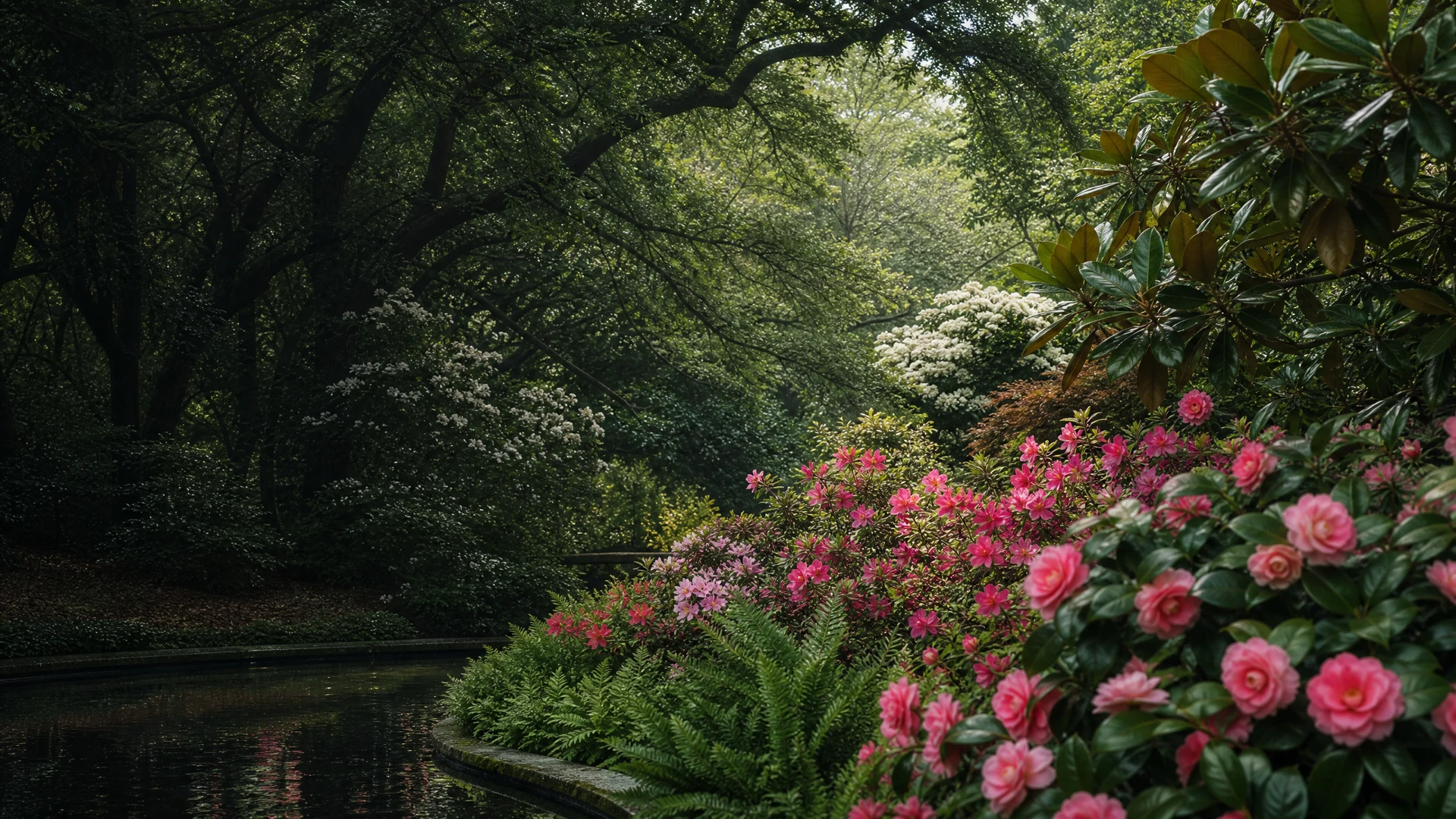
Waterfront Botanical Gardens
Louisville, KY
Founded: 1993
Acres: 23
$Admission: Suggested $10 (Members Free)
Highlights: Japanese Garden, Children's Garden, Edible Garden, Water features
Learn MoreBernheim Arboretum and Research Forest
Clermont, KY
Founded: 1929
Acres: 16137
$Admission: Suggested $15 per car (Members Free)
Highlights: Large forest preserve, Arboretum, Research facilities, Giant Forest Giants sculptures
Learn MoreYew Dell Botanical Gardens
Crestwood, KY
Founded: 1941
Acres: 60
$Admission: Adults $12, Seniors/Youth $8 (Members Free)
Highlights: Historic estate, Theodore Klein's legacy, Extensive plant collections, Display gardens
Learn MoreThe Arboretum, State Botanical Garden of Kentucky
Lexington, KY
Founded: 1991
Acres: 100
$Admission: Free (Kentucky Children's Garden $4)
Highlights: Walk Across Kentucky, Home Demonstration Gardens, Native plant collections, Educational programs
Learn MoreGarden Comparison
| Garden | Location | Founded | Acres | Admission | Highlights |
|---|---|---|---|---|---|
| Waterfront Botanical Gardens | Louisville, KY | 1993 | 23 | Suggested $10 (Members Free) | Japanese Garden, Children's Garden, Edible Garden, Water features |
| Bernheim Arboretum and Research Forest | Clermont, KY | 1929 | 16137 | Suggested $15 per car (Members Free) | Large forest preserve, Arboretum, Research facilities, Giant Forest Giants sculptures |
| Yew Dell Botanical Gardens | Crestwood, KY | 1941 | 60 | Adults $12, Seniors/Youth $8 (Members Free) | Historic estate, Theodore Klein's legacy, Extensive plant collections, Display gardens |
| The Arboretum, State Botanical Garden of Kentucky | Lexington, KY | 1991 | 100 | Free (Kentucky Children's Garden $4) | Walk Across Kentucky, Home Demonstration Gardens, Native plant collections, Educational programs |
Visitor Tips for Kentucky's Gardens
To make the most of your botanical garden visit in Kentucky, consider these tips:
- Best Seasons: Spring (April-May) for vibrant blooms like dogwoods and redbuds, and Fall (September-October) for spectacular autumn foliage. Summer offers lush greenery but can be hot and humid; arrive early or late in the day. Winter provides a serene experience with unique structural beauty and evergreen displays.
- What to Wear: Comfortable walking shoes are a must, as you'll likely be exploring extensive grounds. Dress in layers to adapt to changing temperatures. A hat, sunglasses, and sunscreen are recommended during warmer, sunnier months. Don't forget rain gear if visiting during spring or fall.
- Accessibility: Many gardens offer accessible paths and facilities. It's advisable to check the specific garden's website or call ahead for detailed information regarding stroller and wheelchair accessibility, especially for specific trails or older sections of the garden.
- Hydration & Snacks: Bring water, especially during warmer months. Some gardens have cafes or picnic areas, but it's always good to have your own provisions. Check the garden's policy on outside food and drinks.
- Photography: Botanical gardens are incredibly photogenic. Be sure to bring your camera! Most gardens allow personal photography, but commercial photography may require a permit.
Frequently Asked Questions
References
AI Botanical Guide
Editorial research & source verification
About the editorial team
BotanicalGardens.blog publishes as an editorial team. We do not claim individual credentials or first-hand visits unless a page identifies and substantiates them. Our process prioritizes official garden records, public institutions, and clearly named sources.
Editorial verification
This guide is researched from official garden pages, public institutions, and other named sources where available. Visitor details can change; confirm hours, ticketing, and accessibility directly with the garden before a special trip.
Read our editorial standards or report a correction at corrections@botanicalgardens.blog.