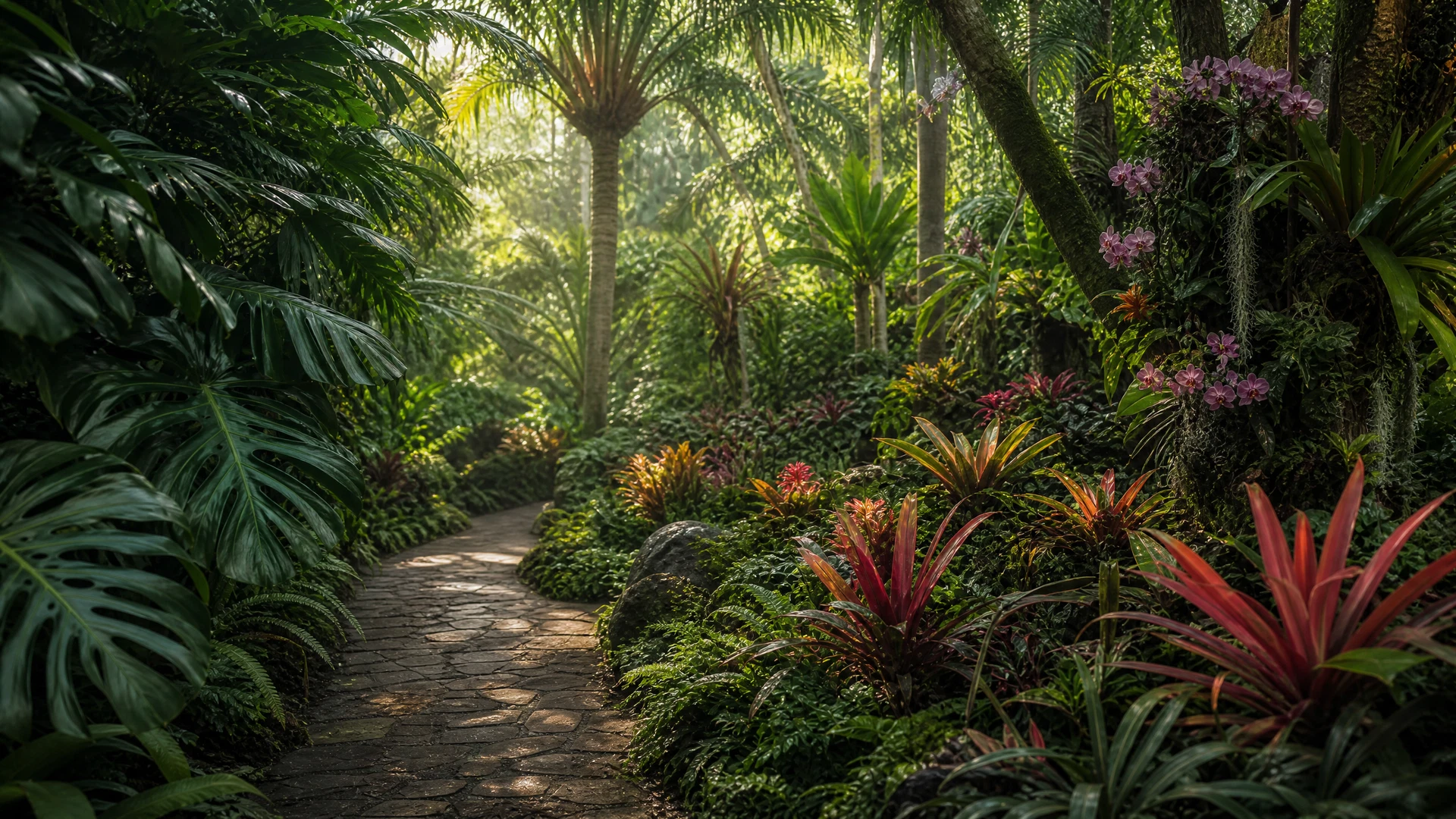
Louisiana Botanical Gardens
Botanical Gardens in Louisiana: The Complete Expert Guide
Explore the lush, subtropical havens and diverse plant collections across the Pelican State.
BotanicalGardens.blog Editorial Team
Editorial research & source verification
Deep South seasonal guide
Louisiana Month-by-Month Bloom Calendar
Warm conditions bring an early spring and a long growing season, with camellias and magnolias followed by azaleas, roses, and tropical color.
Garden color at a glance
Typical regional timingJan
Camellias, daffodils, magnolias, and early flowering trees.
Feb
Camellias, daffodils, magnolias, and early flowering trees.
Mar
Peak spring: azaleas, dogwoods, roses, irises, and native wildflowers.
Apr
Peak spring: azaleas, dogwoods, roses, irises, and native wildflowers.
May
Peak spring: azaleas, dogwoods, roses, irises, and native wildflowers.
Jun
Summer color: hydrangeas, crape myrtles, daylilies, and tropical beds.
Jul
Summer color: hydrangeas, crape myrtles, daylilies, and tropical beds.
Aug
Summer color: hydrangeas, crape myrtles, daylilies, and tropical beds.
Sep
Summer color: hydrangeas, crape myrtles, daylilies, and tropical beds.
Oct
Late roses, salvias, camellias, ornamental grasses, and fall color.
Nov
Late roses, salvias, camellias, ornamental grasses, and fall color.
Dec
Camellias and cool-season annuals return as winter begins.
Bloom schedules shift with elevation, microclimate, rainfall, and the previous winter. Use this as a regional planning guide, then check each garden's official bloom tracker or event calendar before making a special trip.
In This Guide
Louisiana's Garden Legacy
Louisiana, often called the 'Pelican State,' is renowned for its rich cultural heritage, vibrant music, and distinctive cuisine. Beyond its lively cities and bayous, the state boasts a remarkable collection of botanical gardens that reflect its unique subtropical climate and diverse ecosystems. These gardens serve as living museums, preserving native flora, showcasing exotic species, and offering tranquil retreats for nature lovers and horticultural enthusiasts alike. From historic estates with formal parterres to expansive arboretums dedicated to research and conservation, Louisiana's botanical treasures provide a lush backdrop to its storied landscape.
This guide delves into the most prominent botanical gardens across Louisiana, offering insights into their history, unique collections, and what makes each a must-visit destination. Whether you're a seasoned botanist or simply seeking a peaceful escape amidst natural beauty, Louisiana's gardens promise an unforgettable experience.
Climate & Plant Diversity
Louisiana's climate is predominantly humid subtropical, characterized by hot, humid summers and mild winters. This environment, coupled with abundant rainfall, creates ideal conditions for a wide array of plant life, from lush tropical species to hardy native flora. The state's USDA Plant Hardiness Zones range from 8b in the northern parts to 10a along the southernmost coast, indicating a significant variation in minimum winter temperatures that influences plant selection.
This diverse climate allows Louisiana's botanical gardens to cultivate an impressive variety of plants, including camellias, azaleas, magnolias, palms, and numerous wetland species. The state's natural ecosystems, such as cypress swamps, pine forests, and coastal marshes, contribute to a rich biodiversity that is often reflected and conserved within these horticultural institutions.
| Region | USDA Zones | Climate | Notable Plant Types |
|---|---|---|---|
| Northern Louisiana | 8b | Humid Subtropical, cooler winters | Pines, Oaks, Hickories, Azaleas, Camellias |
| Central Louisiana | 9a | Humid Subtropical, mild winters | Magnolias, Sweetgums, Cypress, Native Irises |
| Southern Louisiana | 9b-10a | Humid Subtropical, very mild winters, tropical influence | Palms, Tropical Hibiscus, Oleander, Citrus, Live Oaks |
Featured Botanical Gardens
New Orleans Botanical Garden
Visit SiteNestled within the historic New Orleans City Park, this garden showcases a stunning array of tropical and subtropical plants, along with a notable collection of native Louisiana flora. Its unique setting provides a tranquil escape with diverse horticultural displays.
LSU AgCenter Botanic Gardens at Burden
Visit SiteThe LSU AgCenter Botanic Gardens at Burden is a vast complex featuring diverse gardens, woodlands, and wetlands. It serves as a living laboratory for research and education, offering visitors a chance to explore Louisiana's natural beauty and agricultural heritage.
Rip Van Winkle Gardens
Visit SiteLocated on a historic island, Rip Van Winkle Gardens offers a blend of natural beauty and historical charm. The semi-tropical gardens are home to diverse plant life and free-roaming peacocks, surrounding a beautiful 19th-century mansion.
Longue Vue House and Gardens
Visit SiteLongue Vue is an exquisite estate featuring a classical country house and eight acres of stunning gardens. Designed in the early 20th century, the gardens range from formal parterres to a wild Louisiana native wetland, offering a rich horticultural experience.
Quick Comparison Table
| Garden | Location | Founded | Acres | Admission | Highlights |
|---|---|---|---|---|---|
| New Orleans Botanical Garden | New Orleans | 1936 | 10 | Varies (Check Site) | Historic Live Oak trees, Conservatory of the Two Sisters |
| LSU AgCenter Botanic Gardens at Burden | Baton Rouge | 1960 | 440 | Varies (Check Site) | Rose Garden with over 150 varieties, Children's Garden |
| Rip Van Winkle Gardens | Jefferson Island | 1868 | 25 | Varies (Check Site) | Joseph Jefferson Mansion, Peacock population |
| Longue Vue House and Gardens | New Orleans | 1942 | 8 | Varies (Check Site) | Spanish Water Garden, Wild Garden (Louisiana native plants) |
Visitor Planning Tips
- Best Time to Visit: Spring (March to May) and Fall (September to November) offer the most comfortable temperatures and often the most spectacular blooms. Summers are hot and humid, but many gardens offer shaded areas and indoor exhibits.
- What to Wear: Lightweight, breathable clothing, comfortable walking shoes, and sun protection (hat, sunglasses, sunscreen) are highly recommended, especially during warmer months.
- Stay Hydrated: Carry water with you, particularly in the summer. Many gardens have water fountains or concessions available.
- Accessibility: Most major botanical gardens in Louisiana strive to be accessible, with paved paths and ramps. However, some older sections or natural trails might be less accessible. Check the specific garden's website for detailed information.
- Check for Events: Many gardens host seasonal events, workshops, and festivals. Check their calendars before your visit to enhance your experience.
Frequently Asked Questions
References & Further Reading
- Wikipedia: List of botanical gardens and arboretums in Louisiana
- New Orleans Botanical Garden Official Website
- LSU AgCenter Botanic Gardens Official Website
- Rip Van Winkle Gardens Official Website
- Longue Vue House and Gardens Official Website
- LSU AgCenter: Climate check: The updated USDA Hardiness Zone Map
BotanicalGardens.blog Editorial Team
Editorial research & source verification
About the editorial team
BotanicalGardens.blog publishes as an editorial team. We do not claim individual credentials or first-hand visits unless a page identifies and substantiates them. Our process prioritizes official garden records, public institutions, and clearly named sources.
Editorial verification
This guide is researched from official garden pages, public institutions, and other named sources where available. Visitor details can change; confirm hours, ticketing, and accessibility directly with the garden before a special trip.
Read our editorial standards or report a correction at corrections@botanicalgardens.blog. Last reviewed May 19, 2026.