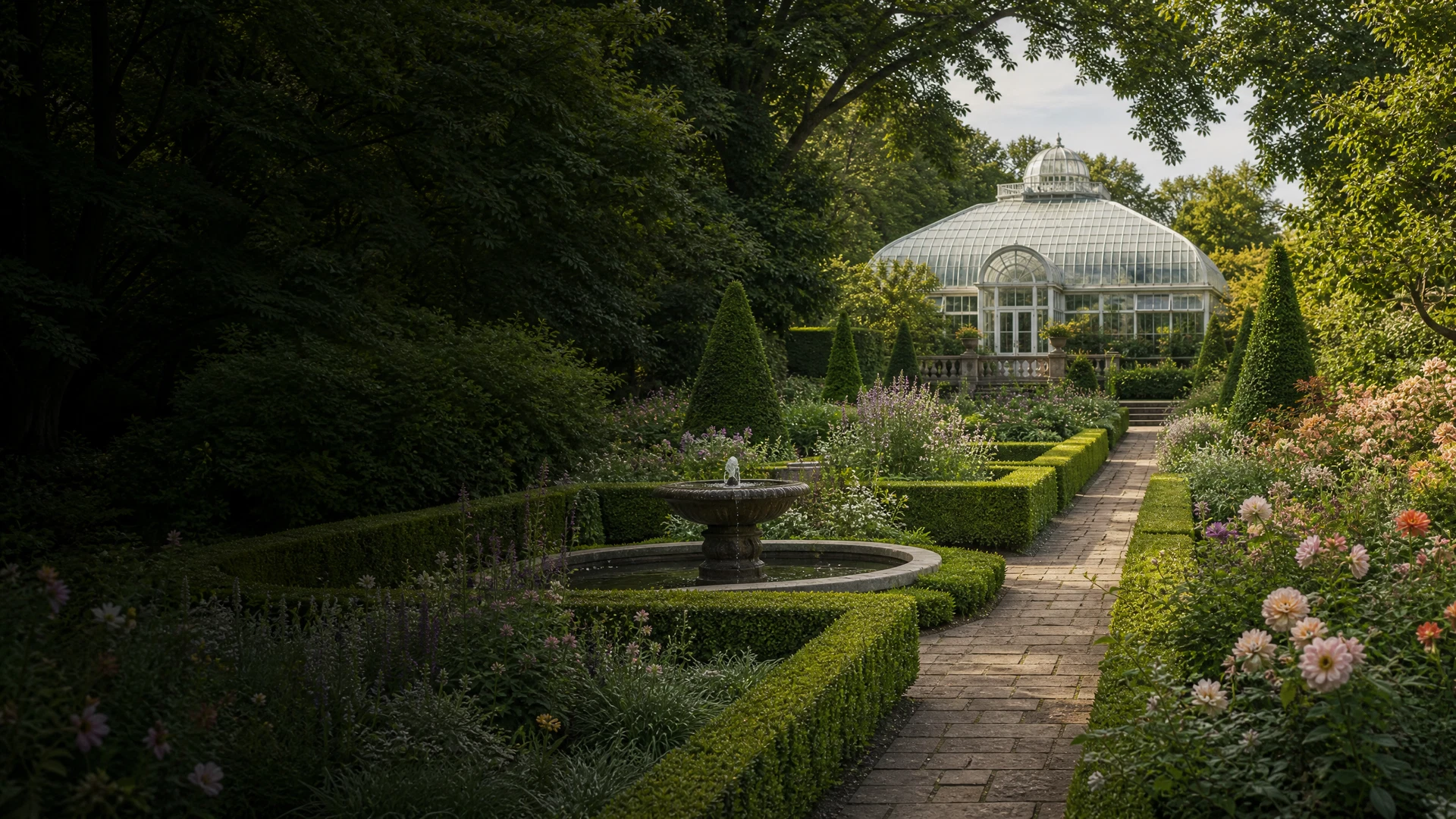
Maryland Botanical Gardens
Botanical Gardens in Maryland: The Complete Expert Guide
Discover the Old Line State's diverse horticultural treasures, from historic estates to modern conservatories.
BotanicalGardens.blog Editorial Team
Editorial research & source verification
Mid-Atlantic & Appalachia seasonal guide
Maryland Month-by-Month Bloom Calendar
A long shoulder season supports early flowering trees, a strong late-spring display, summer perennials, and an extended autumn foliage period.
Garden color at a glance
Typical regional timingJan
Witch hazel, hellebores, camellias, and early bulbs begin the season.
Feb
Witch hazel, hellebores, camellias, and early bulbs begin the season.
Mar
Daffodils, cherries, magnolias, dogwoods, and spring ephemerals.
Apr
Daffodils, cherries, magnolias, dogwoods, and spring ephemerals.
May
Peak spring: azaleas, rhododendrons, roses, irises, and peonies.
Jun
Peak spring: azaleas, rhododendrons, roses, irises, and peonies.
Jul
Hydrangeas, lilies, native perennials, lotuses, and pollinator plants.
Aug
Hydrangeas, lilies, native perennials, lotuses, and pollinator plants.
Sep
Hydrangeas, lilies, native perennials, lotuses, and pollinator plants.
Oct
Fall foliage, asters, camellias, grasses, and seedheads.
Nov
Fall foliage, asters, camellias, grasses, and seedheads.
Dec
Winter color from evergreens, berries, bark, and conservatory displays.
Bloom schedules shift with elevation, microclimate, rainfall, and the previous winter. Use this as a regional planning guide, then check each garden's official bloom tracker or event calendar before making a special trip.
In This Guide
Maryland's Garden Legacy
Maryland, often called 'America in Miniature' due to its varied topography and climates, boasts a rich horticultural heritage reflected in its stunning botanical gardens. From the rolling hills of the Piedmont to the coastal plains, these green sanctuaries offer a glimpse into the state's diverse plant life and a tranquil escape for nature enthusiasts. Many gardens in Maryland have deep historical roots, preserving landscapes that date back centuries while also embracing modern conservation and educational initiatives.
The state's commitment to preserving natural beauty and promoting botanical education is evident in the meticulous care and expansive collections found across its public and private gardens. Visitors can explore everything from intricate topiary art and historic colonial gardens to vast arboretums and cutting-edge conservatories, each offering a unique experience and contributing to Maryland's vibrant botanical landscape.
Climate & Plant Diversity
Maryland's climate is characterized by humid subtropical conditions, with hot, humid summers and mild to cool winters. This transitional climate, influenced by both its proximity to the Atlantic Ocean and the Appalachian Mountains, allows for a remarkable diversity of plant species. The state spans USDA Plant Hardiness Zones 5b to 8a, enabling a wide range of temperate and even some subtropical flora to thrive.
The varied topography, from the sandy soils of the Eastern Shore to the fertile lands of the Piedmont and the mountainous regions of Western Maryland, creates microclimates that support distinct ecosystems. This ecological richness is celebrated and showcased in Maryland's botanical gardens, which feature native plants alongside exotic collections adapted to these conditions.
| Region | USDA Zones | Climate | Notable Plant Types |
|---|---|---|---|
| Western Maryland | 5b-6a | Cooler, mountainous, higher elevation | Conifers, deciduous forests, mountain laurels, rhododendrons |
| Piedmont (Central) | 6b-7a | Temperate, four distinct seasons | Oaks, maples, dogwoods, azaleas, camellias |
| Coastal Plain (Eastern/Southern) | 7a-8a | Milder winters, humid summers, maritime influence | Pines, hollies, magnolias, bald cypress, wetland plants |
Featured Botanical Gardens
Ladew Topiary Gardens
Visit SiteLadew Topiary Gardens is a 22-acre non-profit botanical garden featuring over 100 intricate topiary sculptures and themed garden rooms. It's a historical sanctuary dedicated to public education and cultural preservation.
Brookside Gardens
Visit SiteBrookside Gardens is Montgomery County's award-winning 50-acre public display garden. It features a wide array of distinct garden areas and two conservatories for year-round enjoyment.
Howard Peters Rawlings Conservatory & Botanic Gardens
Visit SiteOpened in 1888, the historic H.P. Rawlings Conservatory & Botanic Gardens is one of Baltimore’s most important architectural treasures, featuring five distinct greenhouses and vibrant gardens.
Sherwood Gardens
Visit SiteSherwood Gardens is a privately-owned park open to the public, renowned for its spectacular display of approximately 50,000 tulip bulbs each spring, alongside dogwoods, flowering cherries, and azaleas.
Cylburn Arboretum
Visit SiteCylburn Arboretum is a 200-acre urban oasis in Baltimore City, offering a place of natural beauty and learning with hundreds of specimen trees, diverse plant collections, and extensive walking trails.
Quick Comparison Table
| Garden | Location | Founded | Acres | Admission | Highlights |
|---|---|---|---|---|---|
| Ladew Topiary Gardens | Monkton | 1971 | 22 | Fee | Topiaries, Manor House |
| Brookside Gardens | Wheaton | 1969 | 50 | Free | Conservatories, themed gardens |
| Rawlings Conservatory | Baltimore | 1888 | 0.5 | Fee | Historic greenhouses, global flora |
| Sherwood Gardens | Baltimore | 1907 | 6 | Free | Tulip displays, arboretum |
| Cylburn Arboretum | Baltimore | 1954 | 200 | Free | Specimen trees, trails |
Visitor Planning Tips
- **Best Time to Visit:** Spring (April-May) for peak blooms, but many gardens offer beauty year-round with seasonal displays and events. Fall foliage is also spectacular.
- **What to Wear:** Comfortable walking shoes are essential. Dress in layers, as temperatures can vary throughout the day. Sunscreen and hats are recommended for sunny days.
- **Accessibility:** Most major gardens offer accessible paths and facilities, but it's advisable to check individual garden websites for specific accessibility information, especially for older or more rugged areas.
- **Photography:** Many gardens welcome photography for personal use. For commercial photography or special events, permits may be required.
- **Food and Drink:** Some gardens have cafes or allow picnicking in designated areas. Check ahead, or plan to bring your own water and snacks.
- **Events and Workshops:** Look for special events, educational workshops, and guided tours offered by the gardens to enhance your visit.
Frequently Asked Questions
References & Further Reading
- Gardens of Maryland - VisitMaryland.org
- Ladew Topiary Gardens Official Website
- Brookside Gardens Official Website
- Howard Peters Rawlings Conservatory & Botanic Gardens Official Website
- Sherwood Gardens Official Website
- Cylburn Arboretum Official Website
- List of botanical gardens and arboretums in Maryland - Wikipedia
BotanicalGardens.blog Editorial Team
Editorial research & source verification
About the editorial team
BotanicalGardens.blog publishes as an editorial team. We do not claim individual credentials or first-hand visits unless a page identifies and substantiates them. Our process prioritizes official garden records, public institutions, and clearly named sources.
Editorial verification
This guide is researched from official garden pages, public institutions, and other named sources where available. Visitor details can change; confirm hours, ticketing, and accessibility directly with the garden before a special trip.
Read our editorial standards or report a correction at corrections@botanicalgardens.blog. Last reviewed May 19, 2026.