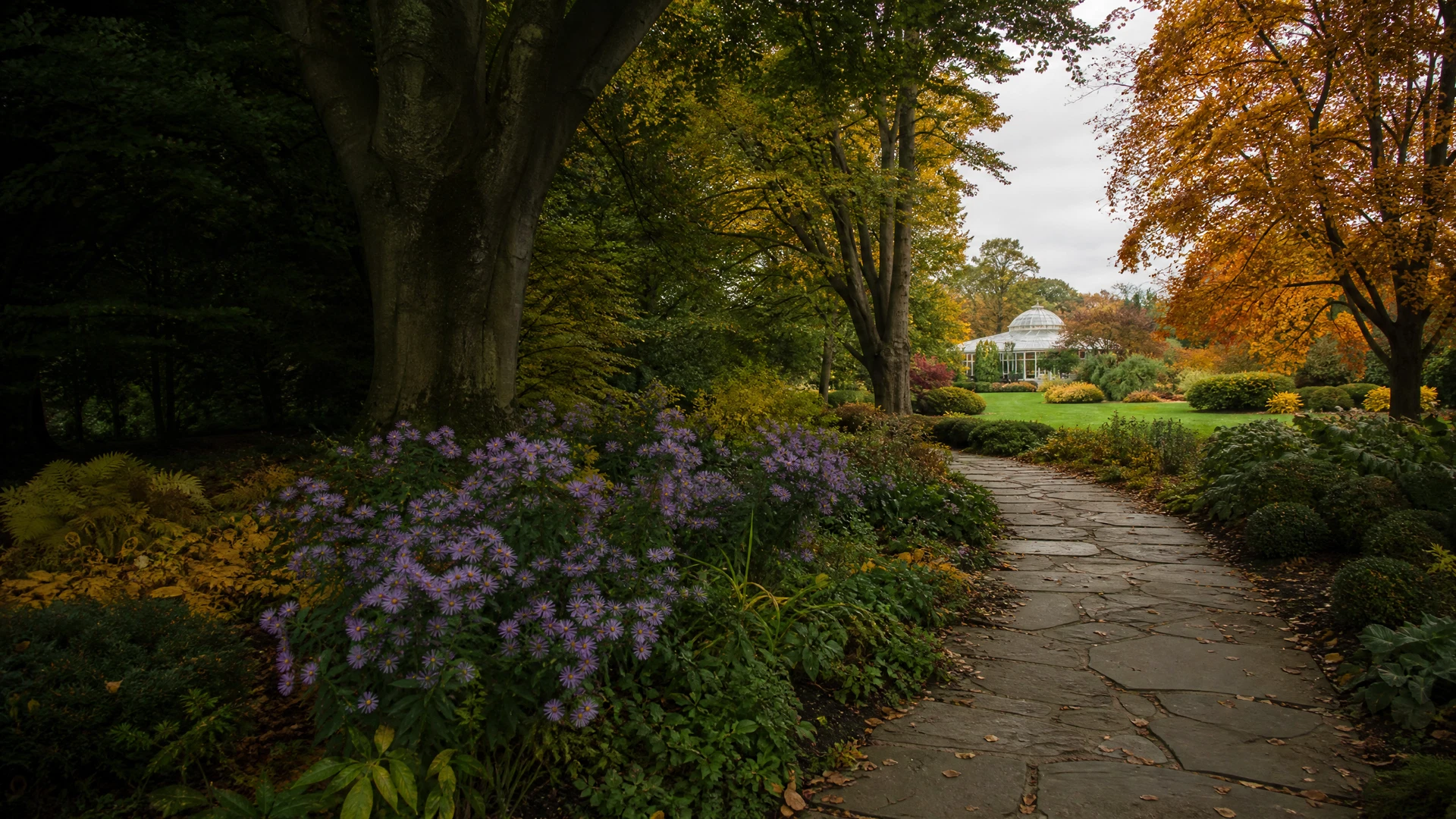
Massachusetts Botanical Gardens
Botanical Gardens in Massachusetts: The Complete Expert Guide
Explore the rich horticultural heritage and diverse plant collections across the Bay State's premier botanical destinations.
BotanicalGardens.blog Editorial Team
Editorial research & source verification
Northeast & New England seasonal guide
Massachusetts Month-by-Month Bloom Calendar
Expect a defined but vivid warm-season arc: bulbs and flowering trees in spring, perennial abundance in summer, then notable foliage in autumn.
Garden color at a glance
Typical regional timingJan
Winter structure, indoor conservatory color, and very early witch hazel.
Feb
Winter structure, indoor conservatory color, and very early witch hazel.
Mar
Winter structure, indoor conservatory color, and very early witch hazel.
Apr
Daffodils, magnolias, cherries, ephemerals, and early azaleas.
May
Daffodils, magnolias, cherries, ephemerals, and early azaleas.
Jun
Peak garden season: roses, peonies, irises, lilacs, and water gardens.
Jul
Peak garden season: roses, peonies, irises, lilacs, and water gardens.
Aug
Late-summer borders: hydrangeas, lilies, natives, and pollinator plants.
Sep
Late-summer borders: hydrangeas, lilies, natives, and pollinator plants.
Oct
Maples, grasses, asters, berries, and fall foliage at its strongest.
Nov
Maples, grasses, asters, berries, and fall foliage at its strongest.
Dec
Evergreen structure and holiday greenhouse displays.
Bloom schedules shift with elevation, microclimate, rainfall, and the previous winter. Use this as a regional planning guide, then check each garden's official bloom tracker or event calendar before making a special trip.
In This Guide
Massachusetts's Garden Legacy
Massachusetts, a state steeped in history and natural beauty, boasts a remarkable collection of botanical gardens that reflect its diverse landscapes and rich horticultural traditions. From the historic Arnold Arboretum, a living museum of woody plants, to the native plant sanctuaries like Garden in the Woods, these institutions offer both serene escapes and vital centers for plant research and conservation. They serve as educational hubs, showcasing plants adapted to New England's distinct climate and inspiring visitors with innovative garden design.
This guide delves into the unique offerings of Massachusetts's botanical gardens, providing insights into their history, notable collections, and practical tips for planning your visit. Whether you're a seasoned botanist or a casual admirer of nature, the Bay State's gardens promise a captivating journey through the plant kingdom.
Climate & Plant Diversity
Massachusetts experiences a humid continental climate, characterized by warm, humid summers and cold, snowy winters. This distinct seasonality, coupled with varied topography from coastal plains to rolling hills, creates a diverse range of microclimates. Botanical gardens in the state expertly navigate these conditions, cultivating a wide array of plants that thrive in USDA Hardiness Zones 5a through 7a.
The state's plant diversity is a testament to its ecological richness, supporting everything from coastal salt marsh flora to deciduous forests and alpine species in higher elevations. Gardens here often focus on native New England plants, as well as species from similar temperate climates worldwide.
| Region | USDA Zones | Climate | Notable Plant Types |
|---|---|---|---|
| Western Massachusetts | 5a-5b | Colder winters, higher elevations | Conifers, maples, birches, woodland wildflowers |
| Central Massachusetts | 5b-6a | Transitional, moderate seasonality | Oaks, beeches, dogwoods, rhododendrons, azaleas |
| Eastern/Coastal Massachusetts | 6a-7a | Milder winters, coastal influence | Holly, bayberry, beach plum, salt-tolerant species |
Featured Botanical Gardens
New England Botanic Garden at Tower Hill
Visit SiteA year-round botanic garden and arboretum with diverse plant collections and stunning landscapes, focusing on plants hardy to New England.
Arnold Arboretum of Harvard University
Visit SiteNorth America's oldest public arboretum, a National Historic Landmark, and a leading center for plant research and conservation.
Garden in the Woods (Native Plant Trust)
Visit SiteThe largest botanical garden dedicated exclusively to native plants of New England, offering a tranquil and educational experience.
Elm Bank Horticultural Center (Mass Hort)
Visit SiteHome to the Massachusetts Horticultural Society, featuring diverse display gardens, trial gardens, and educational facilities.
Quick Comparison Table
| Garden | Location | Founded | Acres | Admission | Highlights |
|---|---|---|---|---|---|
| New England Botanic Garden at Tower Hill | Boylston | 1986 | 171 | Varies | The Limonaia (lemon house) and Orangerie, etc. |
| Arnold Arboretum of Harvard University | Boston | 1872 | 281 | Varies | Extensive collection of woody plants from around the world, etc. |
| Garden in the Woods (Native Plant Trust) | Framingham | 1931 | 45 | Varies | Showcases over 1,000 native plant species, etc. |
| Elm Bank Horticultural Center (Mass Hort) | Wellesley | 1829 | 36 | Varies | The Italianate Garden, a formal historic landscape, etc. |
Visitor Planning Tips
- Seasonal Highlights: Spring brings vibrant blooms like magnolias and lilacs. Summer offers lush greenery and perennial displays. Fall showcases spectacular New England foliage. Winter provides unique beauty in conservatories and structural landscapes.
- Best Times to Visit: Weekday mornings are generally less crowded. Arrive early to enjoy tranquility and cooler temperatures, especially during summer.
- What to Wear: Comfortable walking shoes are essential. Dress in layers, as New England weather can change quickly. Sunscreen and hats are advisable during sunny months.
- Accessibility: Most major gardens offer accessible paths and facilities. Check individual garden websites for detailed accessibility information and any specific accommodations.
- Photography: Photography for personal use is usually permitted, but tripods or commercial photography may require special permission. Always be respectful of other visitors and garden displays.
Frequently Asked Questions
References & Further Reading
BotanicalGardens.blog Editorial Team
Editorial research & source verification
About the editorial team
BotanicalGardens.blog publishes as an editorial team. We do not claim individual credentials or first-hand visits unless a page identifies and substantiates them. Our process prioritizes official garden records, public institutions, and clearly named sources.
Editorial verification
This guide is researched from official garden pages, public institutions, and other named sources where available. Visitor details can change; confirm hours, ticketing, and accessibility directly with the garden before a special trip.
Read our editorial standards or report a correction at corrections@botanicalgardens.blog. Last reviewed May 19, 2026.