Mississippi Botanical Gardens: A Guide to the Magnolia State's Green Havens
Manus AI
Botanical Gardens Expert
Deep South seasonal guide
Mississippi Month-by-Month Bloom Calendar
Warm conditions bring an early spring and a long growing season, with camellias and magnolias followed by azaleas, roses, and tropical color.
Garden color at a glance
Typical regional timingJan
Camellias, daffodils, magnolias, and early flowering trees.
Feb
Camellias, daffodils, magnolias, and early flowering trees.
Mar
Peak spring: azaleas, dogwoods, roses, irises, and native wildflowers.
Apr
Peak spring: azaleas, dogwoods, roses, irises, and native wildflowers.
May
Peak spring: azaleas, dogwoods, roses, irises, and native wildflowers.
Jun
Summer color: hydrangeas, crape myrtles, daylilies, and tropical beds.
Jul
Summer color: hydrangeas, crape myrtles, daylilies, and tropical beds.
Aug
Summer color: hydrangeas, crape myrtles, daylilies, and tropical beds.
Sep
Summer color: hydrangeas, crape myrtles, daylilies, and tropical beds.
Oct
Late roses, salvias, camellias, ornamental grasses, and fall color.
Nov
Late roses, salvias, camellias, ornamental grasses, and fall color.
Dec
Camellias and cool-season annuals return as winter begins.
Bloom schedules shift with elevation, microclimate, rainfall, and the previous winter. Use this as a regional planning guide, then check each garden's official bloom tracker or event calendar before making a special trip.
Overview of Mississippi's Botanical Heritage
Mississippi, often called the 'Magnolia State,' boasts a rich botanical heritage deeply intertwined with its humid subtropical climate and diverse ecosystems. From the fertile Delta lands to the pine forests and coastal plains, the state's natural landscape has fostered a unique array of flora. This natural abundance has inspired the creation of numerous botanical gardens and arboretums, serving as vital centers for conservation, education, and public enjoyment. These green havens not only preserve rare and native plant species but also offer tranquil escapes where visitors can connect with nature and learn about the ecological significance of Mississippi's plant life.
The botanical institutions across Mississippi reflect a commitment to showcasing the state's indigenous beauty while also introducing exotic species that thrive in its warm, moist conditions. These gardens are more than just collections of plants; they are living laboratories for scientific research, educational classrooms for budding botanists, and serene retreats for those seeking solace amidst vibrant greenery. They play a crucial role in promoting sustainable gardening practices and raising awareness about biodiversity, contributing significantly to the state's environmental stewardship.
Climate and Plant Life in Mississippi
Mississippi's climate is characterized by its humid subtropical nature, featuring long, hot summers and short, mild winters. This climate, coupled with abundant rainfall throughout the year, creates ideal conditions for a wide variety of plant life. The state falls predominantly within USDA Plant Hardiness Zones 7b to 9b, with much of the state now classified as 8b, indicating average annual extreme minimum winter temperatures between 15 and 20 degrees Fahrenheit. This allows for a diverse range of plants, from temperate species to those with more subtropical affinities, to flourish.
| Region | USDA Zones | Climate | Notable Plant Types |
|---|---|---|---|
| Northern Mississippi | 7b-8a | Humid Subtropical, cooler winters | Oaks, Maples, Hickories, Dogwoods |
| Central Mississippi | 8a-8b | Humid Subtropical, mild winters | Magnolias, Azaleas, Camellias, Sweetbay |
| Coastal Mississippi | 8b-9b | Humid Subtropical, very mild winters | Palms, Longleaf Pine, Cypress, Marsh Grasses |
Featured Botanical Gardens in Mississippi
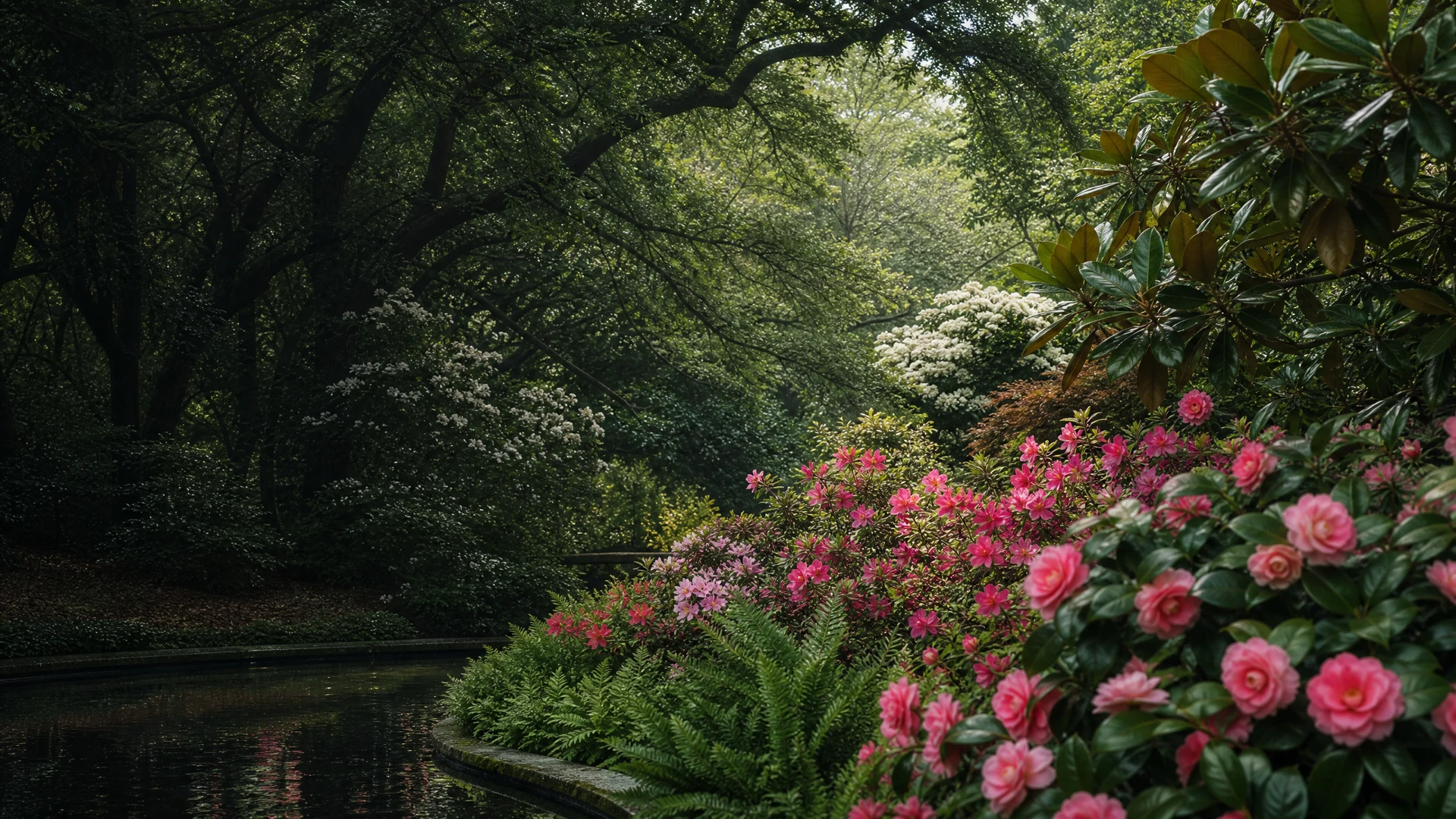
Mynelle Gardens Arboretum and Botanical Center
Jackson, Mississippi
Founded: 1952
Acres: 7
Admission: Less than $10, free for young toddlers
View Full ProfileCrosby Arboretum
Picayune, Mississippi
Founded: 1979
Acres: 104
Admission: Adults $5, Seniors/Military $4, Children 12 and under $2, Members free
View Full ProfileUniversity of Mississippi Medicinal Plant Garden
Oxford, Mississippi
Founded: 1965
Acres: 4
Admission: Likely free (part of university research facility)
View Full ProfileOld Mountain Arboretum
Winona, Mississippi
Founded: 2020
Acres: 120
Admission: Guided tours $10, general admission likely free
View Full ProfileGarden Comparison Table
| Garden | Location | Founded | Acres | Admission | Highlights |
|---|---|---|---|---|---|
| Mynelle Gardens Arboretum and Botanical Center | Jackson, Mississippi | 1952 | 7 | Less than $10, free for young toddlers |
|
| Crosby Arboretum | Picayune, Mississippi | 1979 | 104 | Adults $5, Seniors/Military $4, Children 12 and under $2, Members free |
|
| University of Mississippi Medicinal Plant Garden | Oxford, Mississippi | 1965 | 4 | Likely free (part of university research facility) |
|
| Old Mountain Arboretum | Winona, Mississippi | 2020 | 120 | Guided tours $10, general admission likely free |
|
Tips for Visiting Mississippi's Botanical Gardens
- Best Seasons: Spring (March-May) offers the most spectacular floral displays, especially azaleas and camellias. Fall (September-November) provides comfortable temperatures and beautiful autumn foliage. Summer can be hot and humid, so plan visits for early mornings or late afternoons.
- What to Wear: Lightweight, breathable clothing is recommended, especially during warmer months. Comfortable walking shoes are essential, as you'll likely be exploring extensive grounds. Don't forget a hat, sunglasses, and sunscreen.
- Accessibility: Many gardens offer accessible paths and facilities. However, some older arboretums or naturalistic areas might have uneven terrain. It's advisable to check the specific garden's website or call ahead for detailed accessibility information.
- Photography: Botanical gardens are incredibly photogenic. Bring your camera to capture the vibrant flora and serene landscapes. Be mindful of other visitors and any specific photography rules the garden may have.
- Hydration: Stay hydrated, especially during summer visits. Carry a water bottle, and look for water fountains or refill stations within the gardens.
Frequently Asked Questions
References
- Visit Jackson: Mynelle Gardens
- Crosby Arboretum Official Website
- University of Mississippi Medicinal Plant Garden
- Old Mountain Arboretum Official Website
- USDA Changes Zones for Mississippi Plants - MSU Extension
- USDA Map of Mississippi Growing Zone - Gardening Know How
- Mississippi - State Climate Summaries 2022
Manus AI
Botanical Gardens Expert
About the editorial team
BotanicalGardens.blog publishes as an editorial team. We do not claim individual credentials or first-hand visits unless a page identifies and substantiates them. Our process prioritizes official garden records, public institutions, and clearly named sources.
Editorial verification
This guide is researched from official garden pages, public institutions, and other named sources where available. Visitor details can change; confirm hours, ticketing, and accessibility directly with the garden before a special trip.
Read our editorial standards or report a correction at corrections@botanicalgardens.blog. Last reviewed May 19, 2026.