Nevada Botanical Gardens: Desert Blooms & Mojave Wonders
BotanicalGardens.blog Editorial Team
Editorial research & source verification
Desert Southwest seasonal guide
Nevada Month-by-Month Bloom Calendar
The most comfortable and color-rich period is often late winter through spring; summer rewards early visitors with cacti and monsoon-season blooms.
Garden color at a glance
Typical regional timingJan
Winter bloom season: aloes, acacias, desert shrubs, and early wildflowers.
Feb
Winter bloom season: aloes, acacias, desert shrubs, and early wildflowers.
Mar
Peak desert color: wildflowers, cacti, agaves, palo verde, and flowering trees.
Apr
Peak desert color: wildflowers, cacti, agaves, palo verde, and flowering trees.
May
Peak desert color: wildflowers, cacti, agaves, palo verde, and flowering trees.
Jun
Heat-season display: cacti, succulents, yuccas, and early-morning blooms.
Jul
Heat-season display: cacti, succulents, yuccas, and early-morning blooms.
Aug
Heat-season display: cacti, succulents, yuccas, and early-morning blooms.
Sep
Monsoon and fall color: rain-triggered annuals, salvias, and desert daisies.
Oct
Monsoon and fall color: rain-triggered annuals, salvias, and desert daisies.
Nov
Cool-season foliage, seed forms, and early winter flowers begin returning.
Dec
Cool-season foliage, seed forms, and early winter flowers begin returning.
Bloom schedules shift with elevation, microclimate, rainfall, and the previous winter. Use this as a regional planning guide, then check each garden's official bloom tracker or event calendar before making a special trip.
Discover Nevada's Botanical Wonders
Nevada, often characterized by its vast arid landscapes, is home to a surprising array of botanical gardens that showcase both the resilience of desert flora and the beauty of cultivated collections. From the vibrant Mojave Desert plants in the south to the high-desert adapted species in the north, Nevada's gardens offer unique insights into horticulture in extreme climates. The state spans a wide range of USDA Plant Hardiness Zones, primarily from 5a to 9b, reflecting its diverse elevations and microclimates. This allows for a fascinating blend of plant life, from cold-hardy specimens in the Sierra Nevada foothills to heat-loving cacti and succulents in the Las Vegas Valley. These botanical havens serve as vital centers for conservation, education, and research, demonstrating sustainable landscaping practices and providing serene escapes for visitors.
The peak seasons for experiencing Nevada's botanical gardens are typically during the milder months of March through May and October through November. During these times, the desert comes alive with blooms, and the comfortable temperatures make for ideal exploration. Visitors can marvel at the intricate adaptations of plants to arid conditions, learn about water-wise gardening, and enjoy meticulously curated landscapes that defy the common perception of a barren desert state.
Featured Botanical Gardens in Nevada
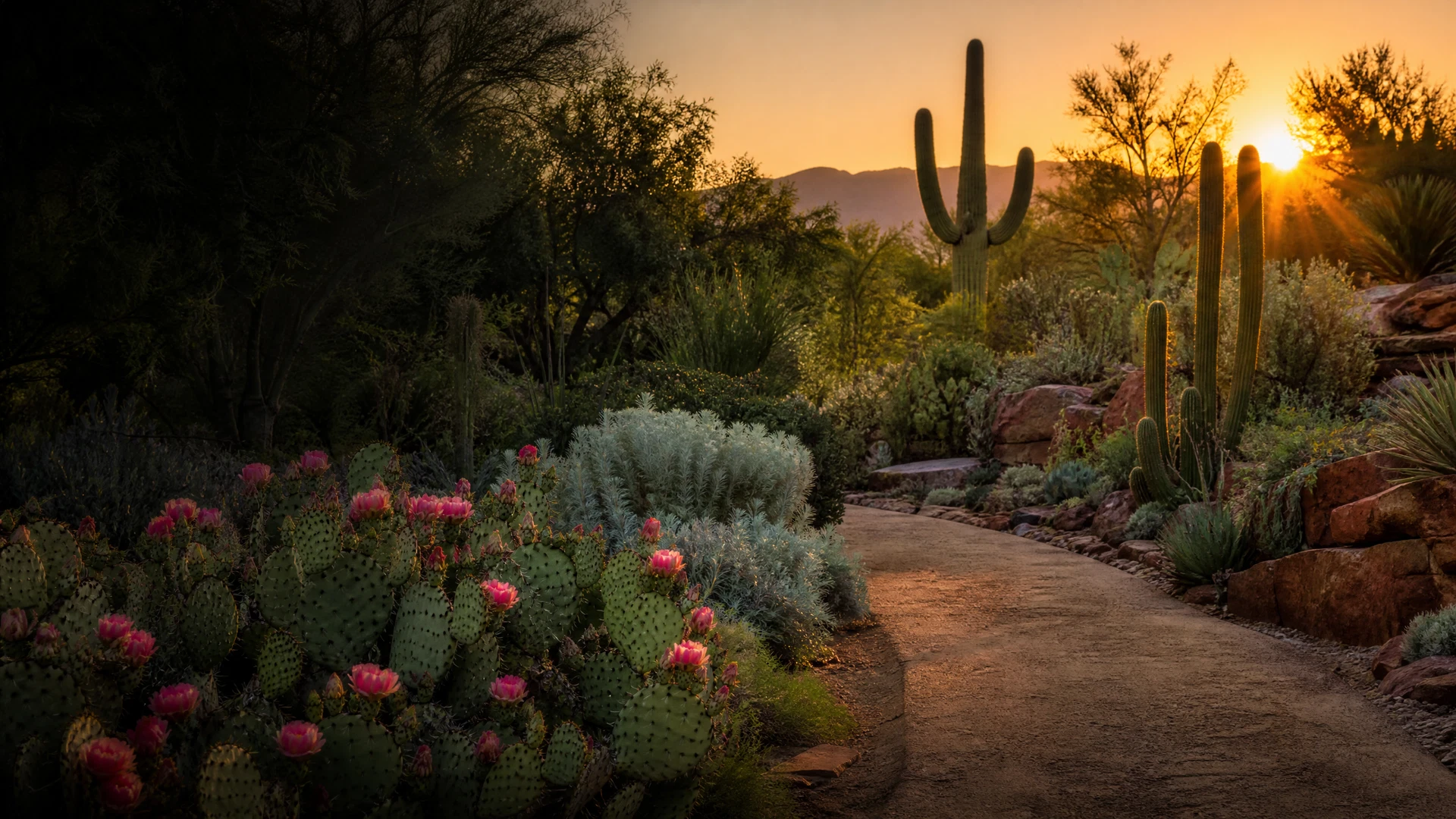
Springs Preserve Desert Botanical Garden
Iconic Feature: Largest collection of Mojave Desert cacti and succulent plants
University of Nevada, Las Vegas Arboretum
Iconic Feature: Extensive collection of drought-tolerant plants and native desert flora
Wilbur D. May Arboretum and Botanical Garden
Iconic Feature: High desert arboretum showcasing plants adapted to extreme temperature fluctuations
Ethel M Botanical Cactus Garden
Iconic Feature: One of the world's largest collections of cacti and succulents
Nevada Climate and Hardiness Zones
Nevada's climate is predominantly arid to semi-arid, characterized by hot summers, cold winters, and significant diurnal temperature swings. The state's diverse topography, ranging from low-lying desert valleys to high mountain ranges, results in a wide spectrum of USDA Plant Hardiness Zones. These zones are crucial for gardeners and horticulturists, indicating which plants are most likely to survive winter temperatures in a particular location.
| USDA Zone | Region | Average Annual Extreme Minimum Temperature |
|---|---|---|
| 5a | High Elevation Mountains | -20°F to -15°F (-28.9°C to -26.1°C) |
| 5b | High Elevation Mountains | -15°F to -10°F (-26.1°C to -23.3°C) |
| 6a | Northern Nevada, Higher Valleys | -10°F to -5°F (-23.3°C to -20.6°C) |
| 6b | Northern Nevada, Higher Valleys | -5°F to 0°F (-20.6°C to -17.8°C) |
| 7a | Central Nevada, Reno Area | 0°F to 5°F (-17.8°C to -15°C) |
| 7b | Central Nevada, Reno Area | 5°F to 10°F (-15°C to -12.2°C) |
| 8a | Southern Nevada, Warmer Valleys | 10°F to 15°F (-12.2°C to -9.4°C) |
| 8b | Southern Nevada, Warmer Valleys | 15°F to 20°F (-9.4°C to -6.7°C) |
| 9a | Las Vegas Valley | 20°F to 25°F (-6.7°C to -3.9°C) |
| 9b | Warmest Pockets of Las Vegas Valley | 25°F to 30°F (-3.9°C to -1.1°C) |
Source: USDA Plant Hardiness Zone Map
Garden Comparison
| Garden Name | Founded | Acres | Admission | Best Season |
|---|---|---|---|---|
| Springs Preserve Desert Botanical Garden | 2007 | 110 | Adults $18.95, Children (3-17) $10.95 | March–May, October–November |
| University of Nevada, Las Vegas Arboretum | 1976 | 80 | Free | March–May, October–November |
| Wilbur D. May Arboretum and Botanical Garden | 1983 | 13 | Free | May–September |
| Ethel M Botanical Cactus Garden | 1981 | 3 | Free | Year-round, especially November-December for holiday lights |
Frequently Asked Questions
References
BotanicalGardens.blog Editorial Team
Editorial research & source verification
About the editorial team
BotanicalGardens.blog publishes as an editorial team. We do not claim individual credentials or first-hand visits unless a page identifies and substantiates them. Our process prioritizes official garden records, public institutions, and clearly named sources.
This guide was last updated May 1, 2026 and is reviewed whenever a garden changes visitor information, seasonal programming, or access policies.
Editorial verification
This guide is researched from official garden pages, public institutions, and other named sources where available. Visitor details can change; confirm hours, ticketing, and accessibility directly with the garden before a special trip.
Read our editorial standards or report a correction at corrections@botanicalgardens.blog. Last reviewed May 2026.