New Jersey Botanical Gardens: From Iris Fields to Historic Estates
BotanicalGardens.blog Editorial Team
Editorial research & source verification
Mid-Atlantic & Appalachia seasonal guide
New Jersey Month-by-Month Bloom Calendar
A long shoulder season supports early flowering trees, a strong late-spring display, summer perennials, and an extended autumn foliage period.
Garden color at a glance
Typical regional timingJan
Witch hazel, hellebores, camellias, and early bulbs begin the season.
Feb
Witch hazel, hellebores, camellias, and early bulbs begin the season.
Mar
Daffodils, cherries, magnolias, dogwoods, and spring ephemerals.
Apr
Daffodils, cherries, magnolias, dogwoods, and spring ephemerals.
May
Peak spring: azaleas, rhododendrons, roses, irises, and peonies.
Jun
Peak spring: azaleas, rhododendrons, roses, irises, and peonies.
Jul
Hydrangeas, lilies, native perennials, lotuses, and pollinator plants.
Aug
Hydrangeas, lilies, native perennials, lotuses, and pollinator plants.
Sep
Hydrangeas, lilies, native perennials, lotuses, and pollinator plants.
Oct
Fall foliage, asters, camellias, grasses, and seedheads.
Nov
Fall foliage, asters, camellias, grasses, and seedheads.
Dec
Winter color from evergreens, berries, bark, and conservatory displays.
Bloom schedules shift with elevation, microclimate, rainfall, and the previous winter. Use this as a regional planning guide, then check each garden's official bloom tracker or event calendar before making a special trip.
Discover New Jersey's Botanical Treasures
New Jersey, often known as the Garden State, lives up to its name with a remarkable array of botanical gardens that showcase both native flora and exotic species. From the world-renowned iris collections of Upper Montclair to the sprawling sustainable landscapes of Hillsborough, these gardens offer serene escapes and educational experiences. The state's climate, characterized as humid subtropical, combined with its diverse USDA Hardiness Zones 6a–7b, creates an ideal environment for a wide variety of plant life to thrive, making it a prime destination for garden enthusiasts. The peak season for visiting typically spans from May to October, offering continuous blooms and vibrant landscapes throughout much of the year.
This guide delves into the unique offerings of New Jersey's top botanical destinations, providing insights into their history, iconic features, and what makes each a must-visit for anyone passionate about horticulture and natural beauty.
Climate and Hardiness Zones in New Jersey
New Jersey's climate is largely influenced by its proximity to the Atlantic Ocean and its position within the mid-latitudes. It experiences a humid subtropical climate, characterized by hot, humid summers and cold winters. The state spans several USDA Plant Hardiness Zones, which are crucial for gardeners in selecting appropriate plants.
| USDA Zone | Region | Avg. Annual Extreme Min. Temp Range |
|---|---|---|
| 6a | Northern/Western NJ | -10°F to -5°F (-23.3°C to -20.6°C) |
| 6b | Central/Coastal NJ | -5°F to 0°F (-20.6°C to -17.8°C) |
| 7a | 0°F to 5°F (-17.8°C to -15°C) | Southern/Coastal NJ |
| 7b | Far Southern/Urban Areas | 5°F to 10°F (-15°C to -12.2°C) |
Understanding these zones helps gardeners select plants that are best suited to withstand the winter temperatures, ensuring successful cultivation and vibrant displays throughout the year. The varied zones across New Jersey allow for a rich diversity of plant life, from cold-hardy evergreens in the north to more temperate species in the milder southern regions.
Featured Botanical Gardens of New Jersey
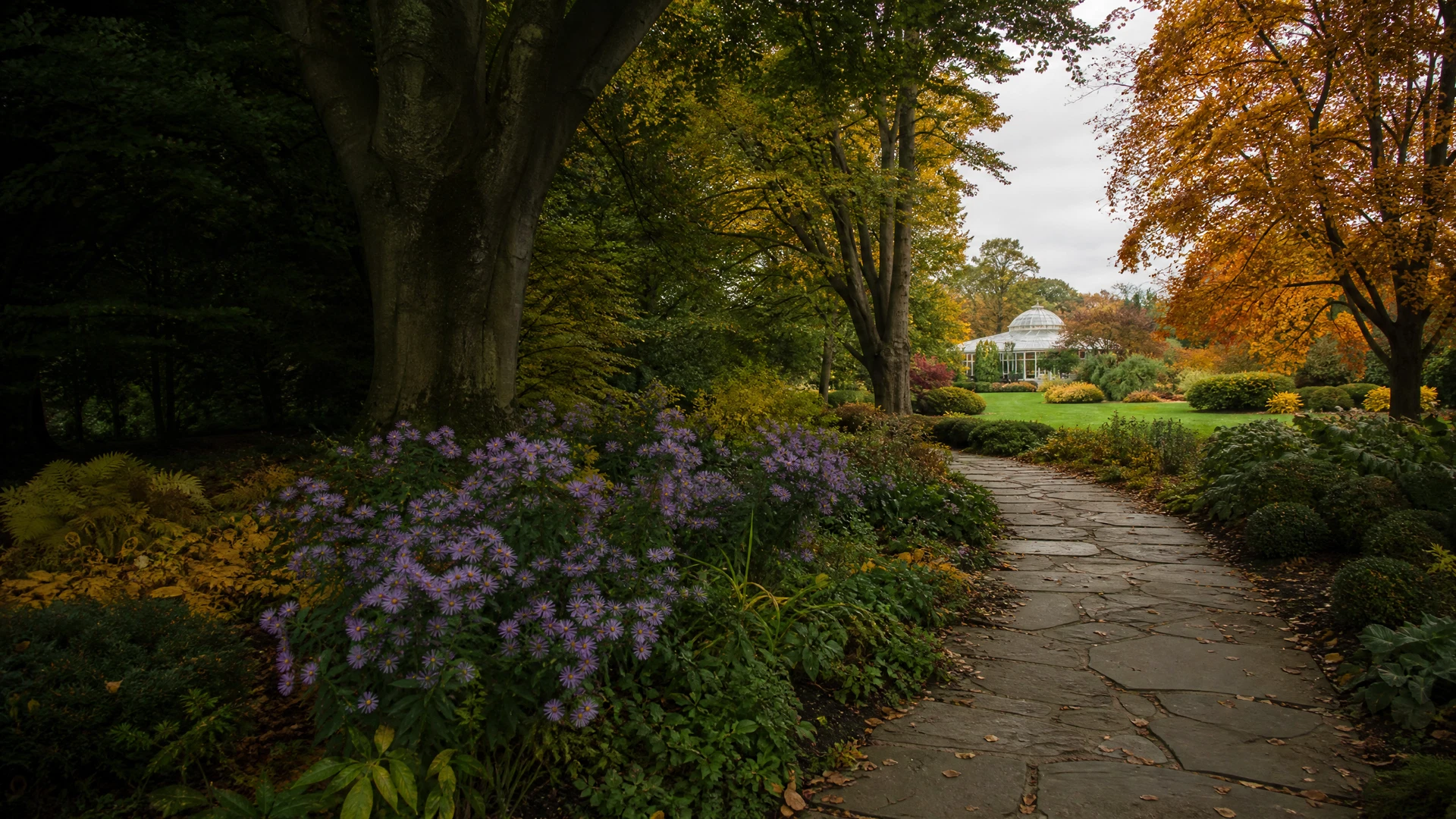
Presby Memorial Iris Gardens
Upper Montclair, NJ
World's largest iris garden with over 10,000 plants
New Jersey Botanical Garden at Skylands
Ringwood, NJ
A 125-acre estate with diverse gardens and a historic manor house
Rutgers Gardens
New Brunswick, NJ
The official botanical garden of Rutgers University, featuring diverse collections and research plots
Duke Farms
Hillsborough, NJ
One of the largest privately-owned, publicly-accessible sustainable farms and environmental centers in the U.S.
Reeves-Reed Arboretum
Summit, NJ
A historic estate with formal gardens, woodlands, and a focus on environmental education.
Garden Comparison at a Glance
To help you plan your botanical journey through New Jersey, here's a quick comparison of some key features of the state's prominent gardens.
| Garden Name | Founded | Acres | Admission | Best Season |
|---|---|---|---|---|
| Presby Memorial Iris Gardens | 1927 | 6.5 | Free (donations encouraged) | May–June |
| New Jersey Botanical Garden at Skylands | 1966 | 96 | Free (parking fee on weekends/holidays) | April–October |
| Rutgers Gardens | 1927 | 180 | Free | Year-round, peak April–October |
| Duke Farms | 1900 | 2700 | Free (reservations recommended) | Year-round, peak May–September |
| Reeves-Reed Arboretum | 1968 | 13.5 | Free (donations appreciated) | April–October |
Frequently Asked Questions
References
Reviewed by the BotanicalGardens.blog editorial research desk. Last updated May 2026.
BotanicalGardens.blog Editorial Team
Editorial research & source verification
About the editorial team
BotanicalGardens.blog publishes as an editorial team. We do not claim individual credentials or first-hand visits unless a page identifies and substantiates them. Our process prioritizes official garden records, public institutions, and clearly named sources.
This guide was last updated May 1, 2026 and is reviewed whenever a garden changes visitor information, seasonal programming, or access policies.
Editorial verification
This guide is researched from official garden pages, public institutions, and other named sources where available. Visitor details can change; confirm hours, ticketing, and accessibility directly with the garden before a special trip.
Read our editorial standards or report a correction at corrections@botanicalgardens.blog. Last reviewed May 2026.