Accommodation near Brooklyn Botanic Garden
Search results are centered on the garden address; verify the property’s current distance and transport options before booking.
Compare stays on Booking.com (opens in a new tab)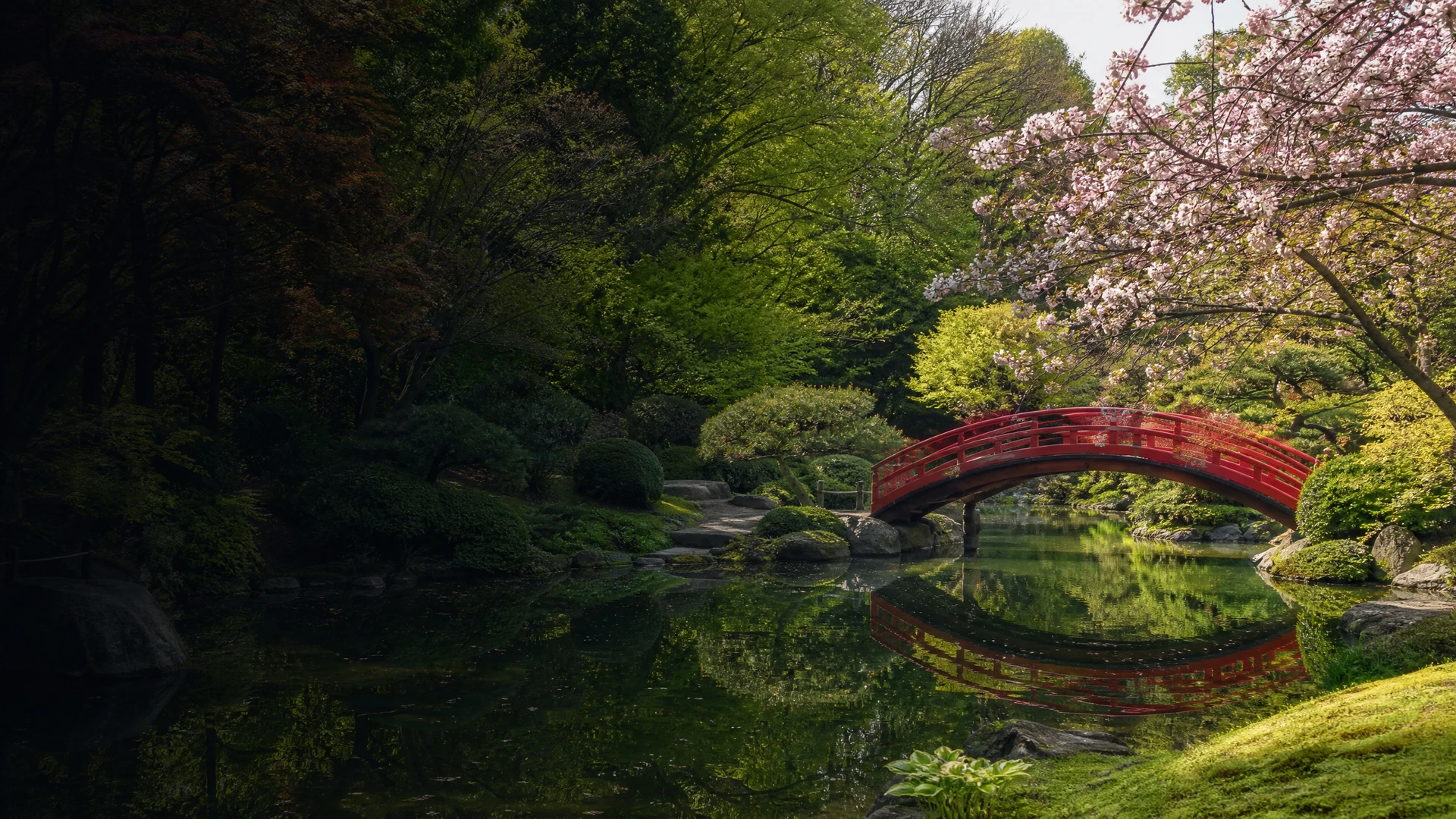
New York · Est. 1910
52 acres in Brooklyn — built on a former ash dump, now a National Medal winner
Founded
1910
Size
52 acres
Hardiness Zone
USDA Zone 7b
Best Season
April
The Brooklyn Botanic Garden occupies 52 acres in the heart of Brooklyn — built, improbably, on a former ash dump. Opened in 1911, it has spent the past century becoming one of the most beloved botanical gardens in the United States, earning a National Medal for Museum and Library Service in 2014. The Cherry Esplanade, with over 200 flowering cherry trees, draws tens of thousands of visitors each spring for Sakura Matsuri, the largest Japanese cultural festival in the Northeast. The Japanese Hill-and-Pond Garden, completed in 1915, is one of the oldest Japanese gardens in the US. The Steinhardt Conservatory houses tropical, desert, and warm temperate collections alongside a Bonsai Museum with specimens over 300 years old.
The site for Brooklyn Botanic Garden was first designated in 1897, with the garden officially opening on May 13, 1911. Under its first director, C. Stuart Gager, the garden expanded significantly over the next three decades. The Japanese Hill-and-Pond Garden was completed in 1915, designed by landscape designer Takeo Shiota. The Steinhardt Conservatory opened in 1988. The garden received the National Medal for Museum and Library Service in 2014 — the highest honor awarded to American museums and libraries by the federal government.
Signature Feature
Completed in 1915 by landscape designer Takeo Shiota, the Japanese Hill-and-Pond Garden is one of the oldest Japanese gardens in the United States. It features a central pond, islands, waterfalls, stone lanterns, and meticulously sculpted plantings arranged according to traditional Japanese garden principles. The garden predates most of the Japanese gardens that would later be built across the country, and its age shows in the best possible way: the trees are mature, the stones are weathered, and the whole composition has the settled quality that only time can produce.
Bloom-planning note
The strongest overall display is typically April (cherry blossoms), May (spring blooms), June (roses), September (fall foliage), October (fall colors). That window combines the garden's major collections with the regional sequence of flowering trees, bulbs, perennials, and seasonal color.
In the broader Northeast & New England season, expect a defined but vivid warm-season arc: bulbs and flowering trees in spring, perennial abundance in summer, then notable foliage in autumn.
Timing changes with weather, elevation, and individual collection conditions. Confirm bloom progress directly with the garden before planning a special visit.
Lush greenery at Brooklyn Botanic Garden
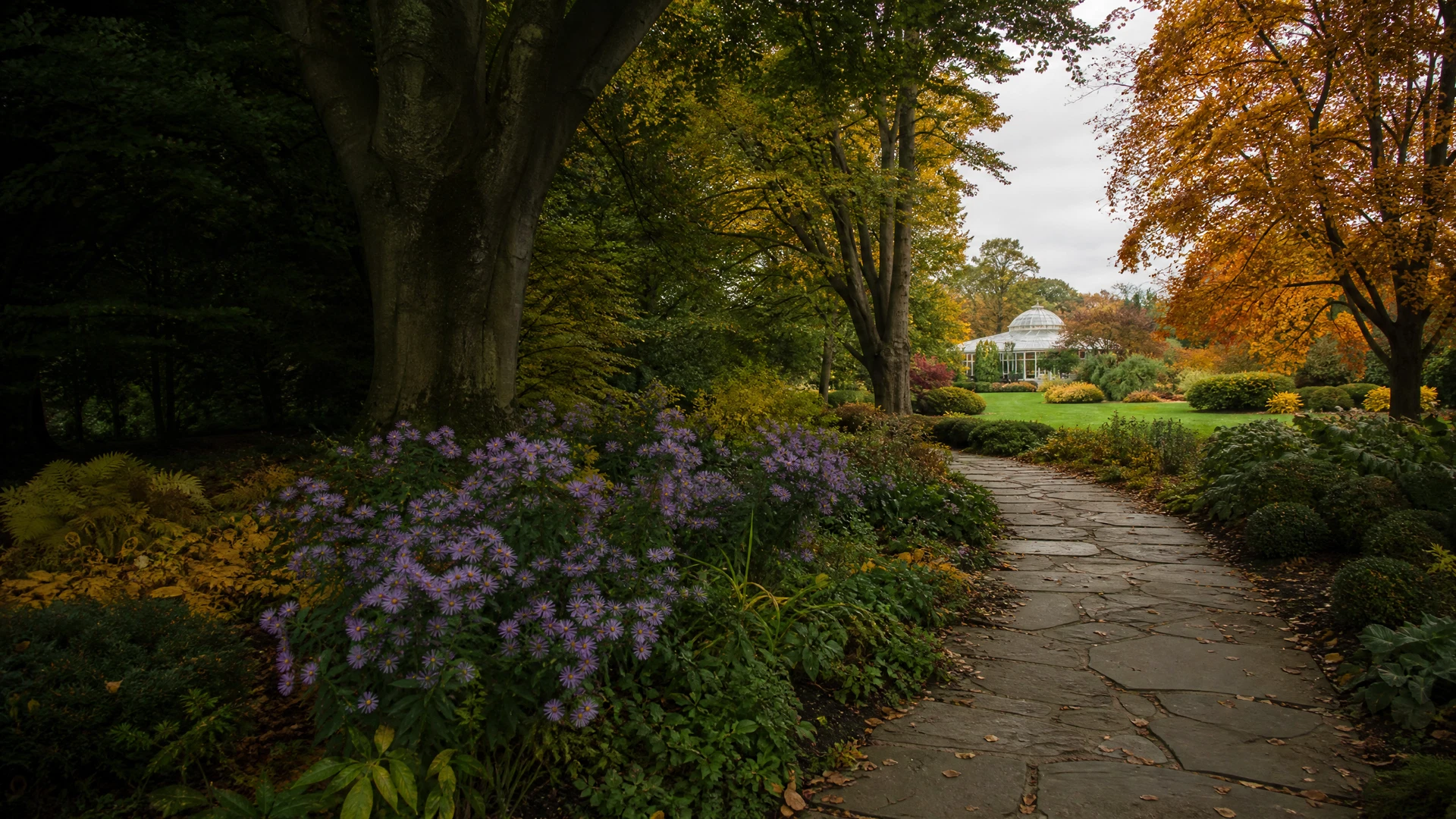
Tranquil pathways through the gardens
Vibrant floral displays in bloom
A meticulously designed landscape featuring traditional Japanese elements, including a pond, islands, and waterfalls, creating a serene and contemplative atmosphere.
Home to over 200 flowering cherry trees, this iconic expanse transforms into a breathtaking spectacle of pink and white blossoms each spring, drawing visitors from around the world.
A complex of three climate-controlled pavilions housing diverse plant collections from tropical, desert, and warm temperate regions, alongside a renowned Bonsai Museum.
Dedicated in 1928, this historic garden features thousands of roses of various types, from classic hybrids to modern varieties, blooming vibrantly throughout the summer months.
Plan Before You Go
Tuesday–Thursday: 10 a.m.–8:30 p.m.; Friday–Sunday: 10 a.m.–6 p.m.; Closed Mondays (except select holidays)
Best seasonal window: April (cherry blossoms), May (spring blooms), June (roses), September (fall foliage), October (fall colors)
Limited street parking available; paid parking garages nearby. Public transportation is highly recommended.
Check the official visit page for event-day parking changes and arrival instructions.
The garden offers accessible pathways, restrooms, and facilities. Wheelchairs are available for loan on a first-come, first-served basis.
Contact the garden before visiting to discuss route conditions, mobility equipment, or support needs.
Visitor details are reviewed from the garden's public information and were last checked May 2026. Policies, prices, and route conditions can change; confirm final arrangements directly with the garden.
Editorial Standards
This profile was prepared by the BotanicalGardens.blog editorial research desk using official garden pages and other named sources where available. Hours, admission, and access details can change; confirm them with the garden before a special trip. This profile was last reviewed May 2026. If you notice an inaccuracy, please contact us.
April (cherry blossoms), May (spring blooms), June (roses), September (fall foliage), October (fall colors)
Address
990 Washington Avenue, Brooklyn, NY 11225
Hours
Tuesday–Thursday: 10 a.m.–8:30 p.m.; Friday–Sunday: 10 a.m.–6 p.m.; Closed Mondays (except select holidays)
Admission
Paid admission, with varying rates for adults, seniors, students, and children. Free admission on select days/times.
Parking
Limited street parking available; paid parking garages nearby. Public transportation is highly recommended.
Accessibility
The garden offers accessible pathways, restrooms, and facilities. Wheelchairs are available for loan on a first-come, first-served basis.
For an overnight visit, compare options around the garden address and choose the route, accessibility features, and cancellation terms that fit your plans.
Search results are centered on the garden address; verify the property’s current distance and transport options before booking.
Compare stays on Booking.com (opens in a new tab)