Oklahoma Botanical Gardens: A Complete Visitor's Guide
BotanicalGardens.blog Editorial Team
Editorial research & source verification
Texas & Southern Plains seasonal guide
Oklahoma Month-by-Month Bloom Calendar
Spring is the most reliable broad bloom period, while heat-tolerant displays and native plants carry gardens into summer and a second fall season.
Garden color at a glance
Typical regional timingJan
Early bulbs, flowering trees, and late-winter wildflowers.
Feb
Early bulbs, flowering trees, and late-winter wildflowers.
Mar
Peak spring: bluebonnets, wildflowers, roses, irises, and flowering shrubs.
Apr
Peak spring: bluebonnets, wildflowers, roses, irises, and flowering shrubs.
May
Peak spring: bluebonnets, wildflowers, roses, irises, and flowering shrubs.
Jun
Heat-tolerant color: cacti, salvias, crape myrtles, and pollinator beds.
Jul
Heat-tolerant color: cacti, salvias, crape myrtles, and pollinator beds.
Aug
Heat-tolerant color: cacti, salvias, crape myrtles, and pollinator beds.
Sep
Fall wildflowers, asters, grasses, late roses, and seedheads.
Oct
Fall wildflowers, asters, grasses, late roses, and seedheads.
Nov
Fall wildflowers, asters, grasses, late roses, and seedheads.
Dec
Evergreens, winter annuals, and early cool-season blooms.
Bloom schedules shift with elevation, microclimate, rainfall, and the previous winter. Use this as a regional planning guide, then check each garden's official bloom tracker or event calendar before making a special trip.
Oklahoma's Botanical Heritage
Oklahoma occupies a remarkable ecological crossroads where the eastern deciduous forests, Great Plains grasslands, and southwestern desert scrub converge — creating one of the most botanically diverse landscapes in the central United States. This confluence of biomes, spanning USDA Hardiness Zones 6a through 7b, supports an extraordinary range of native flora: from the ancient cross timbers oak woodlands of central Oklahoma to the tallgrass prairies of the northeast and the shortgrass plains of the Panhandle.
The state's botanical gardens reflect this ecological richness with remarkable fidelity. The Myriad Botanical Gardens in Oklahoma City anchors the state's horticultural identity with its iconic Crystal Bridge Tropical Conservatory — a seven-story glass cylinder that has become one of the most photographed structures in the American South. In Muskogee, Honor Heights Park transforms each April into a sea of color when 30,000 azalea plants in 625 varieties reach simultaneous peak bloom, drawing tens of thousands of visitors to what many consider the finest azalea display between the Mississippi River and the Pacific Coast.
Beyond these landmark institutions, Oklahoma's botanical landscape includes the ambitious Tulsa Botanic Garden — a 300-acre master-planned garden still in development along the Arkansas River — and the research-driven OSU Botanical Garden in Stillwater, where university horticulturalists maintain cutting-edge plant trials that inform gardeners across the Southern Plains. Together, these institutions represent Oklahoma's deep commitment to horticultural excellence and botanical education.
Climate & USDA Hardiness Zones
Oklahoma's climate ranges from humid subtropical in the southeast to semi-arid in the Panhandle, with the majority of the state experiencing a continental climate characterized by hot summers, mild winters, and highly variable precipitation. This diversity allows botanical gardens across the state to cultivate both cold-hardy temperate plants and heat-tolerant species more typical of the Southwest.
| USDA Zone | Region | Min. Winter Temp |
|---|---|---|
| 6a | Northwestern Oklahoma (Panhandle) | -10°F to -5°F |
| 7a | Central Oklahoma (Oklahoma City, Tulsa) | 0°F to 5°F |
| 7b | Southern Oklahoma (Ardmore, Durant) | 5°F to 10°F |
Featured Botanical Gardens
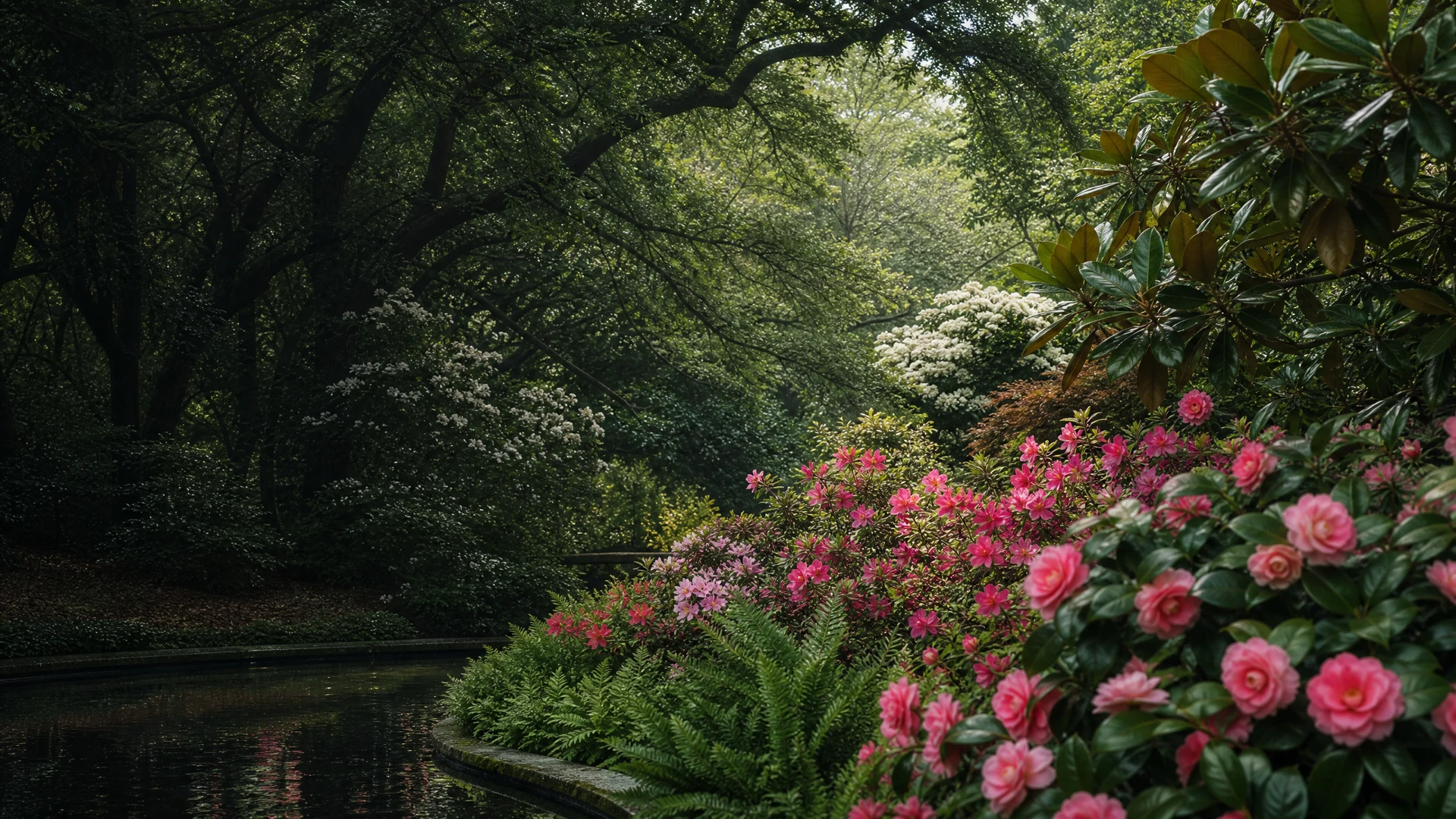
Myriad Botanical Gardens
Signature Feature
The Crystal Bridge Tropical Conservatory — a dramatic 224-foot-long cylindrical glass structure rising seven stories above a downtown lake, housing 2,500 tropical and desert plant species from around the world.
Honor Heights Park
Signature Feature
The legendary Azalea Festival grounds, where 30,000 azalea plants in 625 varieties explode in color each April, drawing visitors from across the region to what is considered one of America's finest azalea displays.
Tulsa Botanic Garden
Signature Feature
The Children's Discovery Garden — a 3-acre immersive landscape with a treehouse, splash pad, and native plant tunnels — set within a sweeping 300-acre master plan that will eventually become one of the largest botanic gardens in the South.
Oklahoma State University Botanical Garden
Signature Feature
The Horticulture Research Demonstration Garden, where university researchers and Master Gardener volunteers maintain trial beds of new cultivars, providing visitors with cutting-edge plant performance data unavailable anywhere else in the state.
Garden Comparison
| Garden | Founded | Acres | Admission | Best Season |
|---|---|---|---|---|
| Myriad Botanical Gardens | 1988 | 17 | Adults $8, Children (3–12) $5, Under 3 Free | April–October |
| Honor Heights Park | 1909 | 132 | Free | April (Azalea Festival), May–June (roses) |
| Tulsa Botanic Garden | 2014 | 300 | Adults $12, Children (3–12) $7, Under 3 Free | April–October |
| Oklahoma State University Botanical Garden | 1981 | 7 | Free | May–September |
Frequently Asked Questions
Editorial Standards: This guide was researched and written by the BotanicalGardens.blog editorial team, which uses official garden pages and public institutional sources to review practical visitor information. All admission prices, hours, and garden details are verified against official garden websites and updated May 2026. If you notice an inaccuracy, please contact us.
References
BotanicalGardens.blog Editorial Team
Editorial research & source verification
About the editorial team
BotanicalGardens.blog publishes as an editorial team. We do not claim individual credentials or first-hand visits unless a page identifies and substantiates them. Our process prioritizes official garden records, public institutions, and clearly named sources.
This guide was last updated May 1, 2026 and is reviewed whenever a garden changes visitor information, seasonal programming, or access policies.
Editorial verification
This guide is researched from official garden pages, public institutions, and other named sources where available. Visitor details can change; confirm hours, ticketing, and accessibility directly with the garden before a special trip.
Read our editorial standards or report a correction at corrections@botanicalgardens.blog. Last reviewed May 2026.