Accommodation near Portland Japanese Garden
Search results are centered on the garden address; verify the property’s current distance and transport options before booking.
Compare stays on Booking.com (opens in a new tab)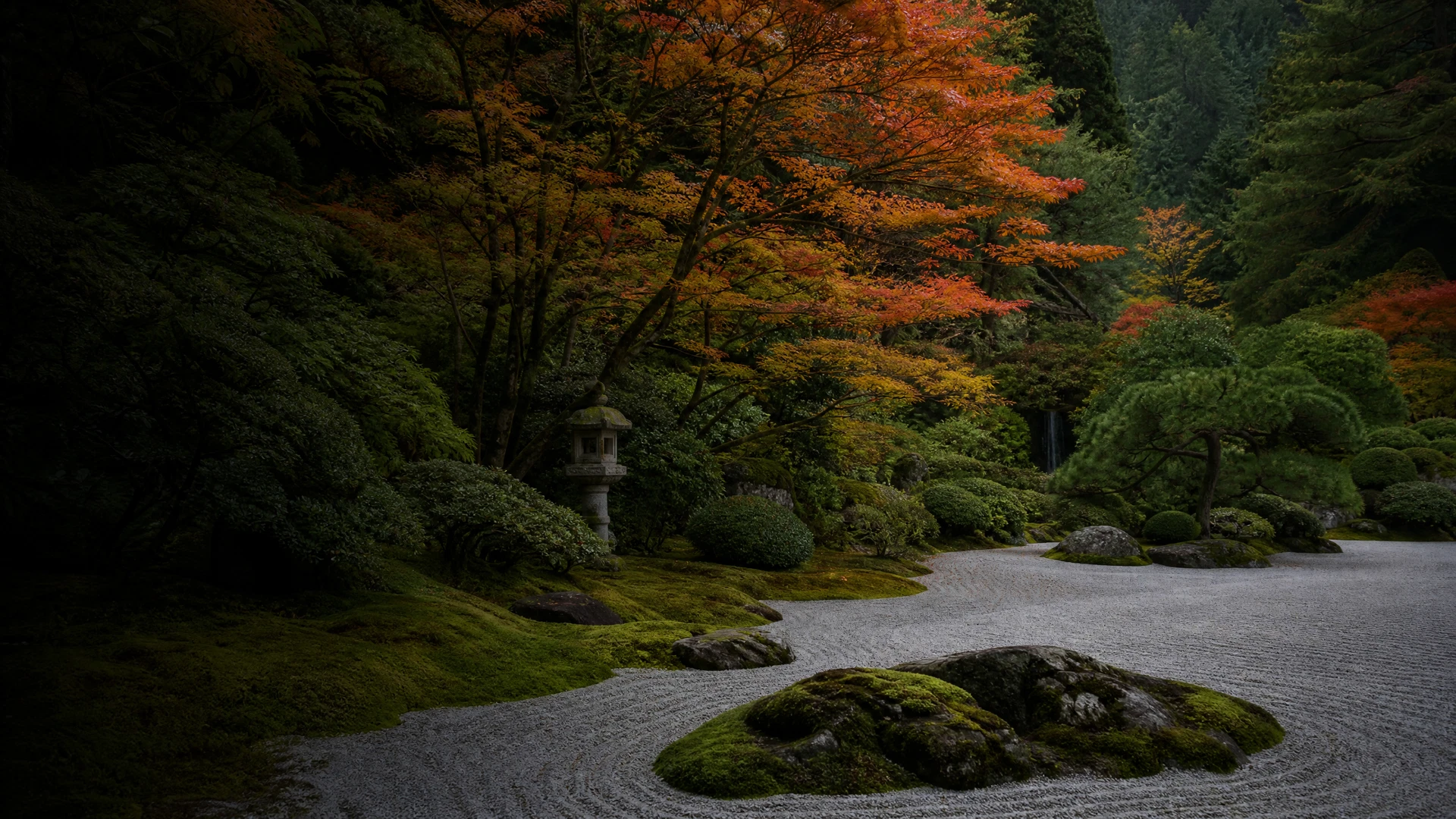
Oregon · Est. 1963
The most authentic Japanese garden outside Japan — and the most photographed maple tree in America
Founded
1963
Size
12.5 acres
Hardiness Zone
USDA Zone 8b
Best Season
April to October
The Portland Japanese Garden was conceived in the late 1950s as a gesture of reconciliation between the United States and Japan after World War II. It was a generous and ambitious idea: hire a Japanese professor to design a garden on the site of the former Portland Zoo, and build something so authentic that it would be recognized in Japan itself. The result, opened to the public in 1967 and expanded with a Cultural Village by architect Kengo Kuma in 2017, is 12.5 acres of eight distinct garden styles that Japanese diplomats and garden scholars consistently describe as the most authentic Japanese garden outside Japan. The laceleaf maple in the Strolling Pond Garden may be the most photographed tree in America. In autumn, it is worth the trip from anywhere.
The idea for the garden emerged in the late 1950s as part of a broader effort to rebuild US-Japan relations after World War II. The garden was founded in 1963 on the site of the former Portland Zoo, with design by Professor Takuma Tono of Tokyo Agricultural University. It opened to the public in 1967. In 2017, a major expansion added the Cultural Village, designed by Pritzker Prize-winning architect Kengo Kuma — a series of pavilions that blend traditional Japanese architecture with Pacific Northwest materials. The garden has received the American Public Garden Association's Garden Excellence Award and is consistently rated among the top gardens in the United States.
Signature Feature
Located in the Strolling Pond Garden, the Portland Japanese Garden's laceleaf maple (Acer palmatum var. dissectum) is one of the most photographed trees in the United States. Its intricate, cascading branches and the intensity of its autumn color — ranging from deep crimson to burnt orange — have made it a pilgrimage destination for photographers and garden enthusiasts. The tree is mature enough that its form has settled into something genuinely sculptural. In late October, on a clear morning before the crowds arrive, it is one of the most beautiful things in American horticulture.
Crane Sculpture in the garden
Flat Garden on a foggy day
The 18-foot pagoda lantern
Features Upper and Lower Ponds connected by a stream, with a Moon Bridge and Heavenly Falls.
A raked gravel garden meant to be viewed from a single viewpoint, balancing flat planes with stones and trees.
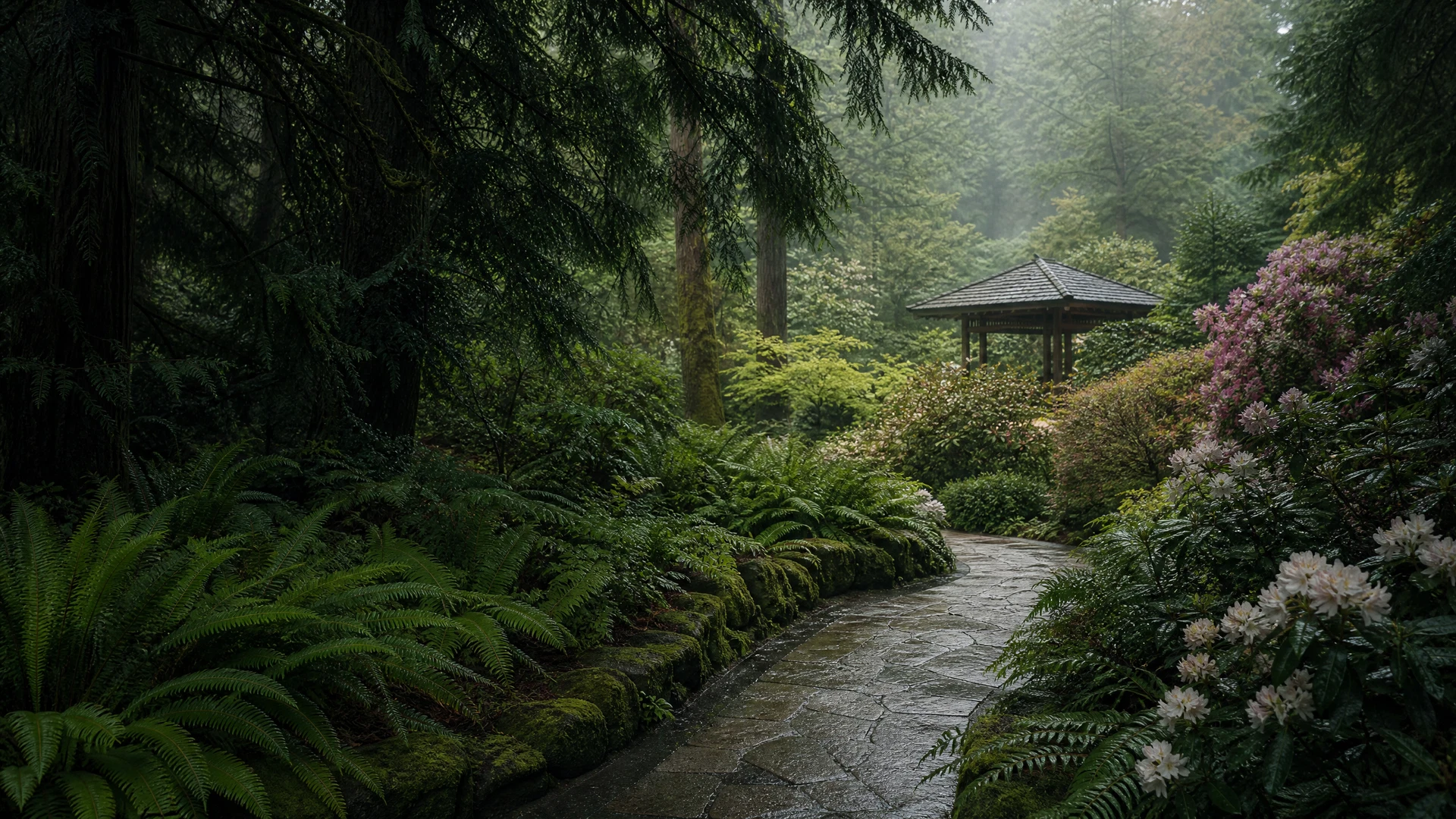
Designed to look like a forest with less carefully pruned plants, steps, and small bodies of water.
A dry landscape style garden with raked gravel and stones depicting a story of Buddha and seven tigers.
Plan Before You Go
Wednesday to Monday 10:00 am - 5:30 pm, closed Tuesdays
Best seasonal window: April to October
Paid parking available in Washington Park ($2.40/hour)
Check the official visit page for event-day parking changes and arrival instructions.
The Cultural Village and parts of the garden are accessible, but some historic areas have uneven terrain and stairs.
Contact the garden before visiting to discuss route conditions, mobility equipment, or support needs.
Visitor details are reviewed from the garden's public information and were last checked May 2026. Policies, prices, and route conditions can change; confirm final arrangements directly with the garden.
Editorial Standards
This profile was prepared by the BotanicalGardens.blog editorial research desk using official garden pages and other named sources where available. Hours, admission, and access details can change; confirm them with the garden before a special trip. This profile was last reviewed May 2026. If you notice an inaccuracy, please contact us.
April to October
Address
611 SW Kingston Ave, Portland, OR 97205
Phone
(503) 223-1321
Hours
Wednesday to Monday 10:00 am - 5:30 pm, closed Tuesdays
Admission
$22.50 for adults, discounts available
Parking
Paid parking available in Washington Park ($2.40/hour)
Accessibility
The Cultural Village and parts of the garden are accessible, but some historic areas have uneven terrain and stairs.
For an overnight visit, compare options around the garden address and choose the route, accessibility features, and cancellation terms that fit your plans.
Search results are centered on the garden address; verify the property’s current distance and transport options before booking.
Compare stays on Booking.com (opens in a new tab)