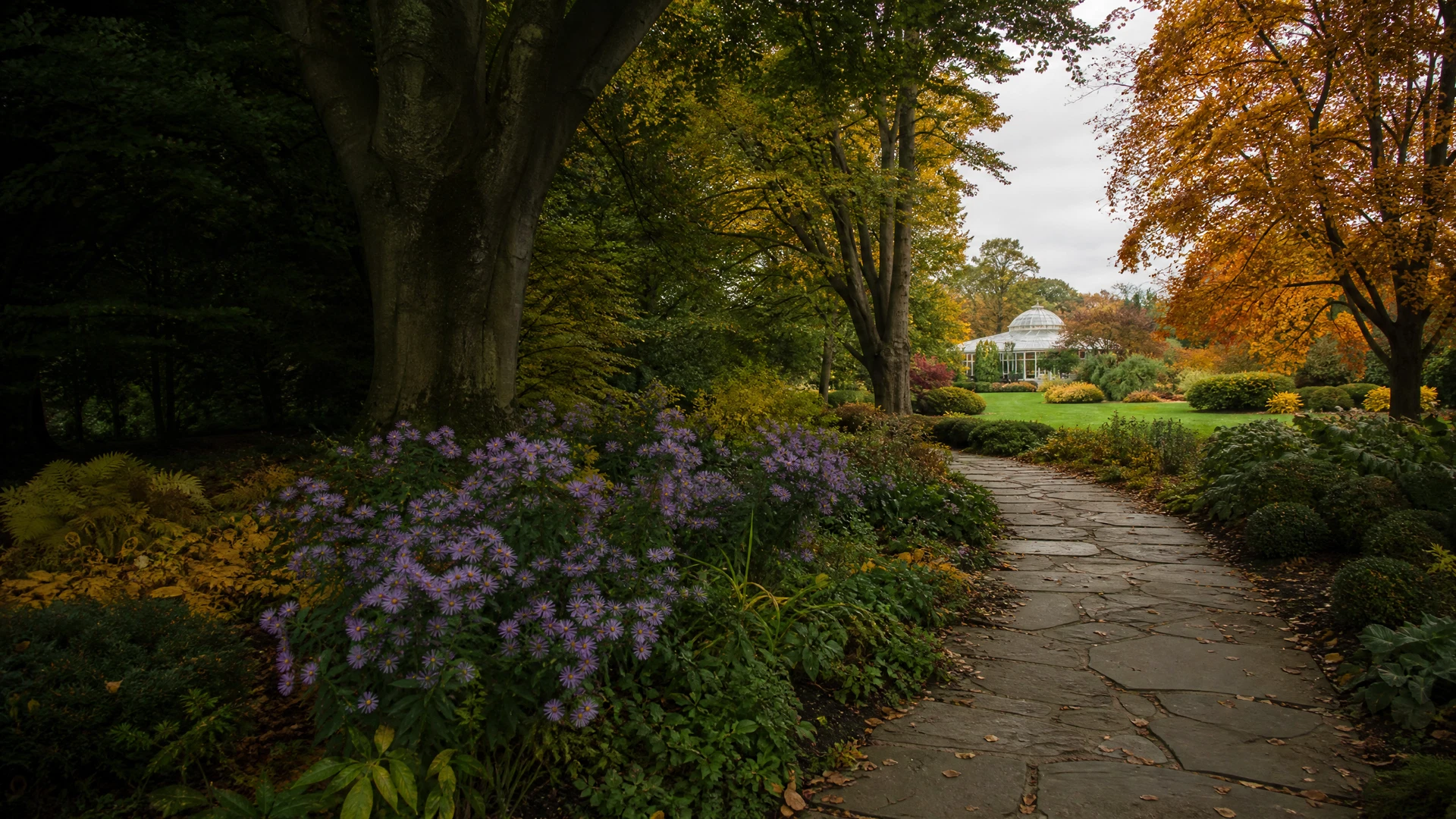
Pennsylvania Botanical Gardens
Botanical Gardens in Pennsylvania: The Complete Expert Guide
Explore the rich horticultural heritage and diverse plant collections across the Keystone State's renowned botanical sanctuaries.
BotanicalGardens.blog Editorial Team
Editorial research & source verification
Mid-Atlantic & Appalachia seasonal guide
Pennsylvania Month-by-Month Bloom Calendar
A long shoulder season supports early flowering trees, a strong late-spring display, summer perennials, and an extended autumn foliage period.
Garden color at a glance
Typical regional timingJan
Witch hazel, hellebores, camellias, and early bulbs begin the season.
Feb
Witch hazel, hellebores, camellias, and early bulbs begin the season.
Mar
Daffodils, cherries, magnolias, dogwoods, and spring ephemerals.
Apr
Daffodils, cherries, magnolias, dogwoods, and spring ephemerals.
May
Peak spring: azaleas, rhododendrons, roses, irises, and peonies.
Jun
Peak spring: azaleas, rhododendrons, roses, irises, and peonies.
Jul
Hydrangeas, lilies, native perennials, lotuses, and pollinator plants.
Aug
Hydrangeas, lilies, native perennials, lotuses, and pollinator plants.
Sep
Hydrangeas, lilies, native perennials, lotuses, and pollinator plants.
Oct
Fall foliage, asters, camellias, grasses, and seedheads.
Nov
Fall foliage, asters, camellias, grasses, and seedheads.
Dec
Winter color from evergreens, berries, bark, and conservatory displays.
Bloom schedules shift with elevation, microclimate, rainfall, and the previous winter. Use this as a regional planning guide, then check each garden's official bloom tracker or event calendar before making a special trip.
In This Guide
Pennsylvania's Garden Legacy
Pennsylvania, often called the 'Keystone State,' boasts a rich and diverse horticultural landscape, home to some of the most historic and influential botanical gardens in the United States. From the grand estates of the Brandywine Valley to urban green oases, these gardens reflect centuries of dedication to plant science, conservation, and aesthetic beauty. They serve as living museums, educational centers, and tranquil retreats, showcasing both native flora and exotic species adapted to the state's varied climate. This guide delves into the unique charm and botanical significance of Pennsylvania's premier gardens, offering insights for both seasoned enthusiasts and casual visitors.
Climate & Plant Diversity
Pennsylvania's climate is primarily humid continental, characterized by four distinct seasons, warm summers, and cold winters. This variability, coupled with diverse topography ranging from coastal plains to Appalachian mountains, creates a mosaic of microclimates that support a wide array of plant life. The state spans several USDA Plant Hardiness Zones, influencing what can thrive in different regions.
| Region | USDA Zones | Climate | Notable Plant Types |
|---|---|---|---|
| Southeastern (e.g., Philadelphia area) | 6b-7a | Humid Subtropical/Continental transition | Azaleas, Rhododendrons, Magnolias, Dogwoods, Oak, Maple |
| Central/Appalachian (e.g., Harrisburg, State College) | 6a-6b | Humid Continental | Eastern Hemlock, White Pine, Birch, Mountain Laurel, Ferns |
| Western (e.g., Pittsburgh area) | 6a-6b | Humid Continental | Redbud, Serviceberry, Buckeye, Tulip Poplar, Native Grasses |
Featured Botanical Gardens
Longwood Gardens
Visit SiteOne of the world's premier horticultural display gardens, Longwood Gardens offers a dazzling array of indoor and outdoor displays, including spectacular fountains, expansive conservatories, and diverse plant collections.
Phipps Conservatory and Botanical Gardens
Visit SiteAn internationally recognized botanical garden and a leader in sustainable operations, Phipps Conservatory offers a lush, green oasis in Pittsburgh with diverse plant collections and innovative green buildings.
Morris Arboretum of the University of Pennsylvania
Visit SiteThe official arboretum of Pennsylvania, Morris Arboretum is a historic public garden and research institution that combines art, science, and horticulture across its expansive landscape.
Hershey Gardens
Visit SiteCreated by Milton Hershey as a 'garden of roses' for his wife, Hershey Gardens has grown into a diverse botanical experience featuring themed gardens, a children's garden, and stunning seasonal displays.
Quick Comparison Table
| Garden | Location | Founded | Acres | Admission | Highlights |
|---|---|---|---|---|---|
| Longwood Gardens | Kennett Square | 1906 | 1,077 | Paid | Fountains, Conservatories, Seasonal Displays |
| Phipps Conservatory | Pittsburgh | 1893 | 15 | Paid | Sustainable Design, Tropical Plants, Orchid Collection |
| Morris Arboretum | Philadelphia | 1887 | 175 | Paid | Historic Trees, Garden Railway, Canopy Walk |
| Hershey Gardens | Hershey | 1937 | 23 | Paid | Rose Garden, Children's Garden, Japanese Garden |
Visitor Planning Tips
- Best Times to Visit: Spring (April-May) for vibrant blooms and mild weather, and Fall (September-October) for stunning autumn foliage. Summer offers lush greenery and full displays, but can be hot and humid. Winter visits are ideal for conservatories and holiday light shows.
- Seasonal Highlights: Check individual garden websites for specific seasonal events, flower shows, and bloom calendars. Many gardens host special exhibitions, concerts, and educational programs throughout the year.
- What to Wear: Comfortable walking shoes are essential, as you'll be covering a lot of ground. Dress in layers, especially during spring and fall, to adapt to changing temperatures. Don't forget sun protection (hat, sunscreen) during warmer months.
- Accessibility: Most major botanical gardens offer accessible pathways, restrooms, and parking. Wheelchair rentals may be available. It's advisable to confirm specific accessibility features with the garden directly before your visit.
- Food and Drink: Many gardens have cafes, restaurants, or picnic areas. Check their policies on bringing outside food and beverages.
Frequently Asked Questions
References & Further Reading
BotanicalGardens.blog Editorial Team
Editorial research & source verification
About the editorial team
BotanicalGardens.blog publishes as an editorial team. We do not claim individual credentials or first-hand visits unless a page identifies and substantiates them. Our process prioritizes official garden records, public institutions, and clearly named sources.
Editorial verification
This guide is researched from official garden pages, public institutions, and other named sources where available. Visitor details can change; confirm hours, ticketing, and accessibility directly with the garden before a special trip.
Read our editorial standards or report a correction at corrections@botanicalgardens.blog. Last reviewed May 19, 2026.