Rhode Island Botanical Gardens: A Complete Guide
Discover the Ocean State's horticultural treasures, from historic estates to whimsical topiary artistry.
BotanicalGardens.blog Editorial Team
Editorial research & source verification
Northeast & New England seasonal guide
Rhode Island Month-by-Month Bloom Calendar
Expect a defined but vivid warm-season arc: bulbs and flowering trees in spring, perennial abundance in summer, then notable foliage in autumn.
Garden color at a glance
Typical regional timingJan
Winter structure, indoor conservatory color, and very early witch hazel.
Feb
Winter structure, indoor conservatory color, and very early witch hazel.
Mar
Winter structure, indoor conservatory color, and very early witch hazel.
Apr
Daffodils, magnolias, cherries, ephemerals, and early azaleas.
May
Daffodils, magnolias, cherries, ephemerals, and early azaleas.
Jun
Peak garden season: roses, peonies, irises, lilacs, and water gardens.
Jul
Peak garden season: roses, peonies, irises, lilacs, and water gardens.
Aug
Late-summer borders: hydrangeas, lilies, natives, and pollinator plants.
Sep
Late-summer borders: hydrangeas, lilies, natives, and pollinator plants.
Oct
Maples, grasses, asters, berries, and fall foliage at its strongest.
Nov
Maples, grasses, asters, berries, and fall foliage at its strongest.
Dec
Evergreen structure and holiday greenhouse displays.
Bloom schedules shift with elevation, microclimate, rainfall, and the previous winter. Use this as a regional planning guide, then check each garden's official bloom tracker or event calendar before making a special trip.
Introduction to Rhode Island's Gardens
Rhode Island, often called the 'Ocean State,' may be the smallest state in the U.S., but it boasts a surprisingly rich and diverse horticultural landscape. From grand Gilded Age estates with meticulously designed grounds to whimsical topiary artistry and expansive indoor botanical collections, the state's gardens offer a captivating journey through botanical beauty and historical significance. These verdant havens provide serene escapes and vibrant educational experiences, reflecting Rhode Island's unique blend of coastal charm and storied past.
The state's maritime climate, influenced by its extensive coastline, creates a distinct environment for plant life, allowing for a fascinating array of species to thrive, from resilient evergreens to vibrant perennials. Visitors can explore a variety of garden styles, each telling a story of passion, preservation, and natural splendor. Whether you're a seasoned horticulturist or simply seeking a peaceful retreat, Rhode Island's botanical offerings are sure to inspire and delight.
Climate & Hardiness Zones in Rhode Island
Rhode Island's climate is characterized by humid continental influences, with cold winters and warm, humid summers. The proximity to the Atlantic Ocean moderates temperatures, especially along the coast. The state falls primarily within USDA Plant Hardiness Zones 6b, 7a, and 7b, with the majority in 6b, and eastern and southern coastal areas experiencing milder 7a and 7b conditions. This range allows for a wide variety of temperate plants to flourish, from resilient evergreens to vibrant perennials.
| Region | USDA Hardiness Zone | Average Annual Minimum Temperature (°F) |
|---|---|---|
| Most of Rhode Island | 6b | -5°F to 0°F |
| Eastern & Southern Coastal Areas | 7a, 7b | 0°F to 10°F |
Featured Gardens of Rhode Island
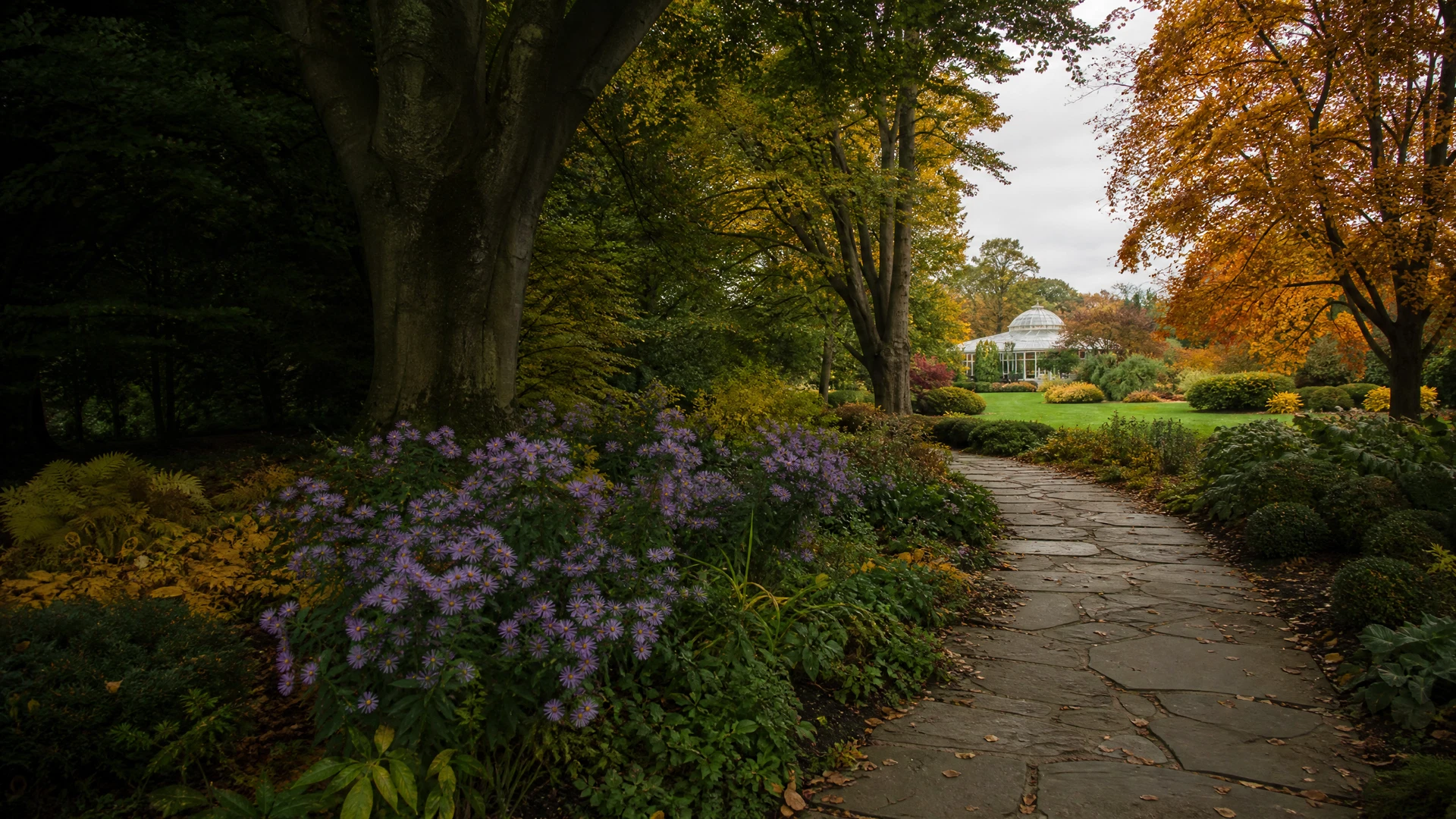
Blithewold Mansion, Gardens & Arboretum
A nationally significant example of the Country Place Era, featuring grand views of Narragansett Bay and an exceptional collection of rare plants.
Green Animals Topiary Garden
The oldest and most northern topiary garden in the United States, boasting over 80 whimsical animal and geometric figures.
Roger Williams Park Botanical Center
New England's largest glasshouse display garden, featuring diverse plant collections within four year-round greenhouses.
Garden Comparison Table
| Garden Name | Location | Founded | Acreage | Iconic Feature | Admission |
|---|---|---|---|---|---|
| Blithewold Mansion, Gardens & Arboretum | Bristol, Rhode Island | 1894 | 33 | A nationally significant example of the Country Place Era, featuring grand views of Narragansett Bay and an exceptional collection of rare plants. | Adult: $22.00 |
| Green Animals Topiary Garden | Portsmouth, Rhode Island | 1872 | 7 | The oldest and most northern topiary garden in the United States, boasting over 80 whimsical animal and geometric figures. | Adult: $25.00 |
| Roger Williams Park Botanical Center | Providence, Rhode Island | 2007 | 12000 | New England's largest glasshouse display garden, featuring diverse plant collections within four year-round greenhouses. | Adult: $5.00 |
Visitor Planning Tips
- Check Hours & Admission: Always verify the latest operating hours, admission fees, and any special event schedules on the garden's official website before your visit.
- Seasonal Highlights: Each garden has its peak seasons. Research what's in bloom or what special exhibits are featured during your planned visit to maximize your experience.
- Comfortable Footwear: You'll likely be doing a lot of walking, so wear comfortable shoes suitable for various terrains, including paved paths and potentially uneven garden trails.
- Sun Protection: Even on cloudy days, sun exposure can be significant. Bring sunscreen, a hat, and sunglasses, especially during warmer months.
- Photography: Most gardens welcome photography for personal use. Check their policies regarding tripods, drones, or commercial photography if applicable.
- Accessibility: If you have accessibility needs, review the garden's website or contact them directly to understand their facilities and any limitations.
- Picnic Options: Some gardens allow picnics on their grounds, offering a lovely way to enjoy the scenery. Confirm their food and drink policies beforehand.
Frequently Asked Questions
References
- Blithewold Mansion, Gardens & Arboretum. (n.d.). Homepage. Retrieved from https://www.blithewold.org/
- Newport Mansions. (n.d.). Green Animals Topiary Garden. Retrieved from https://www.newportmansions.org/mansions-and-gardens/green-animals-topiary-garden/
- City of Providence. (n.d.). Roger Williams Park Botanical Center. Retrieved from https://www.providenceri.gov/botanical-center/
- LawnStarter. (2024, October 9). Planting Zones of Rhode Island. Retrieved from https://www.lawnstarter.com/blog/rhode-island/rhode-island-growing-zones/
- Roger Williams Park Conservancy. (n.d.). Park Rules & FAQ. Retrieved from https://www.rwpconservancy.org/about/faq/
BotanicalGardens.blog Editorial Team
Editorial research & source verification
About the editorial team
BotanicalGardens.blog publishes as an editorial team. We do not claim individual credentials or first-hand visits unless a page identifies and substantiates them. Our process prioritizes official garden records, public institutions, and clearly named sources.
This guide was last updated May 1, 2026 and is reviewed whenever a garden changes visitor information, seasonal programming, or access policies.
Editorial verification
This guide is researched from official garden pages, public institutions, and other named sources where available. Visitor details can change; confirm hours, ticketing, and accessibility directly with the garden before a special trip.
Read our editorial standards or report a correction at corrections@botanicalgardens.blog. Last reviewed May 2026.