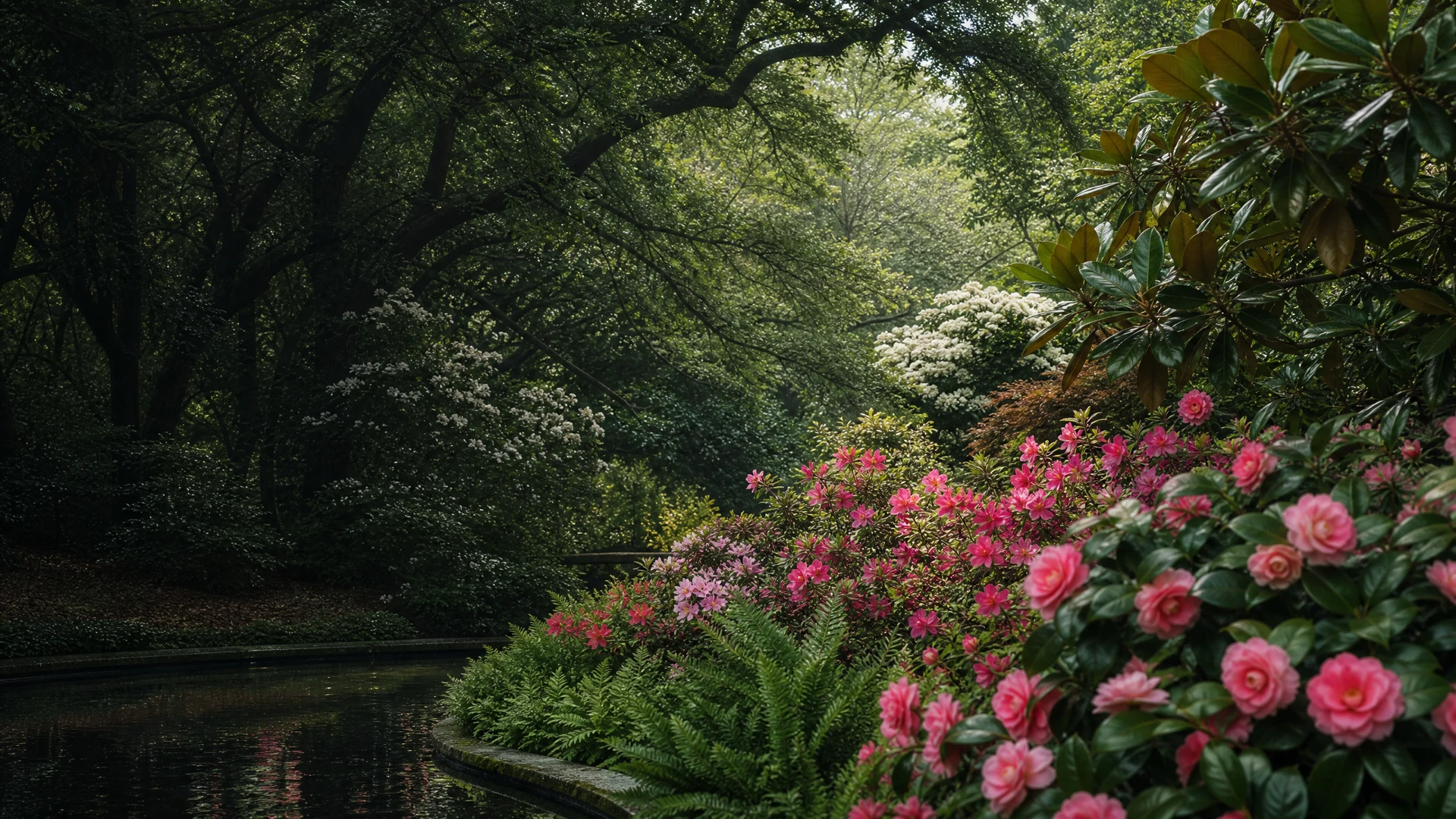
Tennessee Botanical Gardens
Botanical Gardens in Tennessee: The Complete Expert Guide
Explore the diverse flora and horticultural treasures across the Volunteer State's premier botanical destinations.
BotanicalGardens.blog Editorial Team
Editorial research & source verification
Mid-Atlantic & Appalachia seasonal guide
Tennessee Month-by-Month Bloom Calendar
A long shoulder season supports early flowering trees, a strong late-spring display, summer perennials, and an extended autumn foliage period.
Garden color at a glance
Typical regional timingJan
Witch hazel, hellebores, camellias, and early bulbs begin the season.
Feb
Witch hazel, hellebores, camellias, and early bulbs begin the season.
Mar
Daffodils, cherries, magnolias, dogwoods, and spring ephemerals.
Apr
Daffodils, cherries, magnolias, dogwoods, and spring ephemerals.
May
Peak spring: azaleas, rhododendrons, roses, irises, and peonies.
Jun
Peak spring: azaleas, rhododendrons, roses, irises, and peonies.
Jul
Hydrangeas, lilies, native perennials, lotuses, and pollinator plants.
Aug
Hydrangeas, lilies, native perennials, lotuses, and pollinator plants.
Sep
Hydrangeas, lilies, native perennials, lotuses, and pollinator plants.
Oct
Fall foliage, asters, camellias, grasses, and seedheads.
Nov
Fall foliage, asters, camellias, grasses, and seedheads.
Dec
Winter color from evergreens, berries, bark, and conservatory displays.
Bloom schedules shift with elevation, microclimate, rainfall, and the previous winter. Use this as a regional planning guide, then check each garden's official bloom tracker or event calendar before making a special trip.
In This Guide
Tennessee's Garden Legacy
Tennessee, often called the 'Volunteer State,' boasts a rich natural heritage that extends to its impressive botanical gardens. These living museums not only showcase the state's native flora but also host diverse plant collections from around the world, offering serene escapes and educational experiences. From the rolling hills of East Tennessee to the fertile plains of West Tennessee, each garden reflects the unique ecological characteristics and horticultural passions of its region.
Our comprehensive guide delves into the history, unique features, and visitor information for Tennessee's most significant botanical gardens, providing insights for both seasoned horticulturists and casual nature lovers.
Climate & Plant Diversity
Tennessee's varied topography, stretching from the Appalachian Mountains in the east to the Mississippi River in the west, contributes to a diverse climate that supports a wide array of plant species. The state experiences all four seasons distinctly, with warm, humid summers and generally mild winters, though colder temperatures are common in higher elevations.
The USDA Plant Hardiness Zones in Tennessee range primarily from 6a to 8a, indicating a broad spectrum of plants that can thrive here. This allows botanical gardens to cultivate both native Appalachian species and exotic plants adapted to similar temperate and subtropical conditions.
| Region | USDA Zones | Climate | Notable Plant Types |
|---|---|---|---|
| East Tennessee (Appalachian) | 6a-7b | Temperate, mountainous, cooler winters | Rhododendrons, Azaleas, Conifers, Native wildflowers, Ferns |
| Middle Tennessee (Plateau & Basin) | 7a-7b | Humid subtropical, moderate winters | Dogwoods, Redbuds, Magnolias, Hostas, Ornamental grasses |
| West Tennessee (Mississippi Alluvial Plain) | 7b-8a | Humid subtropical, milder winters | Cypress, Tupelo, Water lilies, Southern Magnolias, Camellias |
Featured Botanical Gardens
Cheekwood Estate & Gardens
Visit SiteA 55-acre botanical garden and art museum located on the historic Cheekwood estate. Features diverse gardens, including a Japanese garden, a sculpture trail, and seasonal displays.
Knoxville Botanical Garden and Arboretum
Visit SiteSituated on the former Howell Nurseries site, this garden preserves historic horticulture and offers diverse plant collections, walking trails, and educational programs.
Memphis Botanic Garden
Visit SiteA 96-acre botanical garden featuring 30 specialty gardens, including a Japanese garden, a children's garden, and extensive plant collections.
UT Gardens, Knoxville
Visit SiteThe official botanical garden of Tennessee, serving as a living laboratory for research, education, and public display of ornamental plants, edibles, and native species.
Quick Comparison Table
| Garden | Location | Founded | Acres | Admission | Highlights |
|---|---|---|---|---|---|
| Cheekwood Estate & Gardens | Nashville | 1960 | 55 | Paid | Japanese Garden, Sculpture Trail |
| Knoxville Botanical Garden and Arboretum | Knoxville | 2001 | 44 | Free | Historic Horticulture, Dogwood Collection |
| Memphis Botanic Garden | Memphis | 1953 | 96 | Paid | Japanese Garden, Children's Garden |
| UT Gardens, Knoxville | Knoxville | 1983 | 10 | Free | Research & Education, Native Plants |
Visitor Planning Tips
- Best Time to Visit: Spring (April-May) for peak blooms and pleasant weather, and Fall (October-November) for spectacular autumn foliage. Summers can be hot and humid, while winters offer a quieter experience with evergreen collections.
- What to Wear: Comfortable walking shoes are a must, as you'll be exploring extensive grounds. Dress in layers, especially during spring and fall, to adapt to changing temperatures.
- Accessibility: Most major botanical gardens in Tennessee strive to be accessible, offering paved paths and accessible facilities. However, some older sections or natural trails might have uneven terrain. Check individual garden websites for specific accessibility information.
- Photography: Photography is generally permitted for personal use, but drones or commercial photography may require special permits. Always be respectful of other visitors and the plant collections.
- Food and Drink: Many gardens have cafes or allow picnicking in designated areas. Bringing your own water bottle is always a good idea, especially during warmer months.
Frequently Asked Questions
References & Further Reading
BotanicalGardens.blog Editorial Team
Editorial research & source verification
About the editorial team
BotanicalGardens.blog publishes as an editorial team. We do not claim individual credentials or first-hand visits unless a page identifies and substantiates them. Our process prioritizes official garden records, public institutions, and clearly named sources.
Editorial verification
This guide is researched from official garden pages, public institutions, and other named sources where available. Visitor details can change; confirm hours, ticketing, and accessibility directly with the garden before a special trip.
Read our editorial standards or report a correction at corrections@botanicalgardens.blog. Last reviewed May 19, 2026.