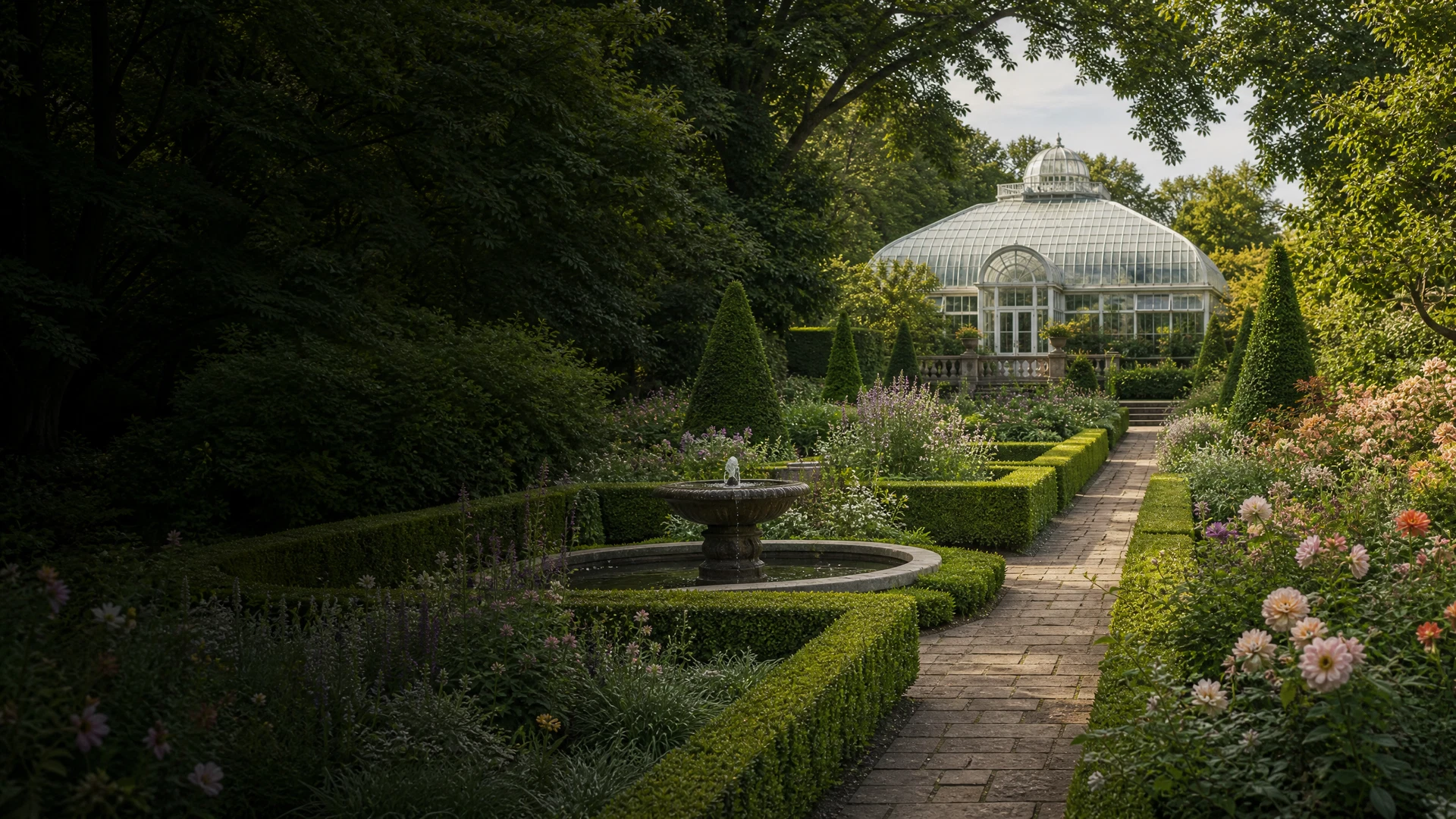
Virginia Botanical Gardens
Botanical Gardens in Virginia: The Complete Expert Guide
Explore the diverse flora and stunning landscapes of Virginia's premier botanical sanctuaries, from historic arboretums to vibrant urban gardens.
BotanicalGardens.blog Editorial Team
Editorial research & source verification
Mid-Atlantic & Appalachia seasonal guide
Virginia Month-by-Month Bloom Calendar
A long shoulder season supports early flowering trees, a strong late-spring display, summer perennials, and an extended autumn foliage period.
Garden color at a glance
Typical regional timingJan
Witch hazel, hellebores, camellias, and early bulbs begin the season.
Feb
Witch hazel, hellebores, camellias, and early bulbs begin the season.
Mar
Daffodils, cherries, magnolias, dogwoods, and spring ephemerals.
Apr
Daffodils, cherries, magnolias, dogwoods, and spring ephemerals.
May
Peak spring: azaleas, rhododendrons, roses, irises, and peonies.
Jun
Peak spring: azaleas, rhododendrons, roses, irises, and peonies.
Jul
Hydrangeas, lilies, native perennials, lotuses, and pollinator plants.
Aug
Hydrangeas, lilies, native perennials, lotuses, and pollinator plants.
Sep
Hydrangeas, lilies, native perennials, lotuses, and pollinator plants.
Oct
Fall foliage, asters, camellias, grasses, and seedheads.
Nov
Fall foliage, asters, camellias, grasses, and seedheads.
Dec
Winter color from evergreens, berries, bark, and conservatory displays.
Bloom schedules shift with elevation, microclimate, rainfall, and the previous winter. Use this as a regional planning guide, then check each garden's official bloom tracker or event calendar before making a special trip.
In This Guide
Virginia's Garden Legacy
Virginia, with its rich history and varied topography, offers a captivating array of botanical gardens and arboretums. From the coastal plains to the Blue Ridge Mountains, these green havens showcase the state's natural beauty and horticultural diversity. Visitors can explore meticulously curated collections, historic landscapes, and innovative conservation efforts that highlight both native flora and exotic species adapted to Virginia's unique climate.
These gardens serve as vital centers for education, research, and community engagement, providing serene escapes and inspiring learning opportunities for all ages. Whether you're a seasoned botanist or a casual admirer of nature, Virginia's botanical treasures promise an enriching experience.
Climate & Plant Diversity
Virginia's climate is characterized by humid subtropical conditions, with distinct regional variations that influence its plant diversity. The eastern coastal plain experiences milder winters and hot, humid summers, while the western mountainous regions have cooler temperatures and more pronounced seasonal changes. This climatic range supports a rich tapestry of plant life, from coastal marsh species to Appalachian forest flora.
| Region | USDA Zones | Climate | Notable Plant Types |
|---|---|---|---|
| Coastal Plain | 7b-8a | Humid Subtropical, mild winters, hot summers | Cycads, Palms, Azaleas, Camellias, Live Oaks |
| Piedmont | 7a-7b | Humid Subtropical, four distinct seasons | Dogwoods, Redbuds, Maples, Oaks, Rhododendrons |
| Blue Ridge Mountains | 6a-7a | Temperate, cooler temperatures, higher rainfall | Mountain Laurels, Azaleas, Conifers, Ferns, Wildflowers |
Featured Botanical Gardens
Lewis Ginter Botanical Garden
Visit SiteLewis Ginter Botanical Garden is a 82-acre botanical garden in Henrico County, just outside of Richmond, Virginia. It features over a dozen themed gardens, including a Conservatory, Children's Garden, and Rose Garden.
Norfolk Botanical Garden
Visit SiteNorfolk Botanical Garden is a 175-acre botanical garden and arboretum located in Norfolk, Virginia. It is the largest botanical garden in Virginia and features a wide variety of themed gardens and plant collections.
State Arboretum of Virginia
Visit SiteThe State Arboretum of Virginia, part of Blandy Experimental Farm, is a 172-acre arboretum featuring over 6,000 trees and woody plants. It is home to the largest variety of boxwood cultivars in North America.
Williamsburg Botanical Garden
Visit SiteThe Williamsburg Botanical Garden is a vibrant two-acre garden dedicated to promoting environmental stewardship and horticultural education. It showcases a variety of themed gardens, including native plants, herbs, and a butterfly garden.
Quick Comparison Table
| Garden | Location | Founded | Acres | Admission | Highlights |
|---|---|---|---|---|---|
| Lewis Ginter Botanical Garden | Richmond | 1984 | 82 | Paid | Conservatory, Children's Garden |
| Norfolk Botanical Garden | Norfolk | 1938 | 175 | Paid | Rose Garden, Japanese Garden, Boat Tours |
| State Arboretum of Virginia | Boyce | 1929 | 172 | Free | Boxwood Collection, Ginko Grove |
| Williamsburg Botanical Garden | Williamsburg | 2006 | 2 | Free | Native Plants, Butterfly Garden |
Visitor Planning Tips
- Best Times to Visit: Spring (April-May) for vibrant blooms and fall (October-November) for stunning foliage are ideal. Summer offers lush greenery but can be hot and humid.
- What to Wear: Comfortable walking shoes are a must. Dress in layers, especially during spring and fall, as temperatures can fluctuate. Sunscreen and hats are recommended for sunny days.
- Accessibility: Most major botanical gardens in Virginia offer accessible pathways and facilities. It's advisable to check individual garden websites for specific accessibility information and any mobility aid rentals.
- Photography: Photography is generally permitted for personal use. For commercial photography or special events, inquire with the garden administration beforehand.
- Food and Drink: Many gardens have cafes or allow picnics in designated areas. Check their policies regarding outside food and beverages.
Frequently Asked Questions
References & Further Reading
BotanicalGardens.blog Editorial Team
Editorial research & source verification
About the editorial team
BotanicalGardens.blog publishes as an editorial team. We do not claim individual credentials or first-hand visits unless a page identifies and substantiates them. Our process prioritizes official garden records, public institutions, and clearly named sources.
Editorial verification
This guide is researched from official garden pages, public institutions, and other named sources where available. Visitor details can change; confirm hours, ticketing, and accessibility directly with the garden before a special trip.
Read our editorial standards or report a correction at corrections@botanicalgardens.blog. Last reviewed May 19, 2026.