Botanical Gardens in Indiana: A Guide to the Hoosier State's Green Havens
Manus AI
AI Language Model
Overview
Indiana possesses a wealth of botanical gardens, allowing plant researchers to study the plants growing there as well as provide casual visitors with inspiration, serenity, and peace. The state's botanical history includes institutions like the Indiana Botanic Gardens, founded in 1910, which initially focused on bulk herbals and natural remedies.
Climate & Hardiness Zones
Indiana experiences a humid continental climate, generally falling within USDA planting zones 5b to 6b. This range supports a diverse array of plant life, from resilient perennials to various trees and shrubs. Understanding these zones is crucial for gardeners and botanical enthusiasts in the state.
| Region | USDA Hardiness Zone | Characteristics |
|---|---|---|
| Northern Indiana | 5b-6a | Colder winters, suitable for hardy plants. |
| Central Indiana | 6a-6b | Moderate winters, wider plant selection. |
| Southern Indiana | 6b | Milder winters, some subtropical influence. |
Featured Gardens
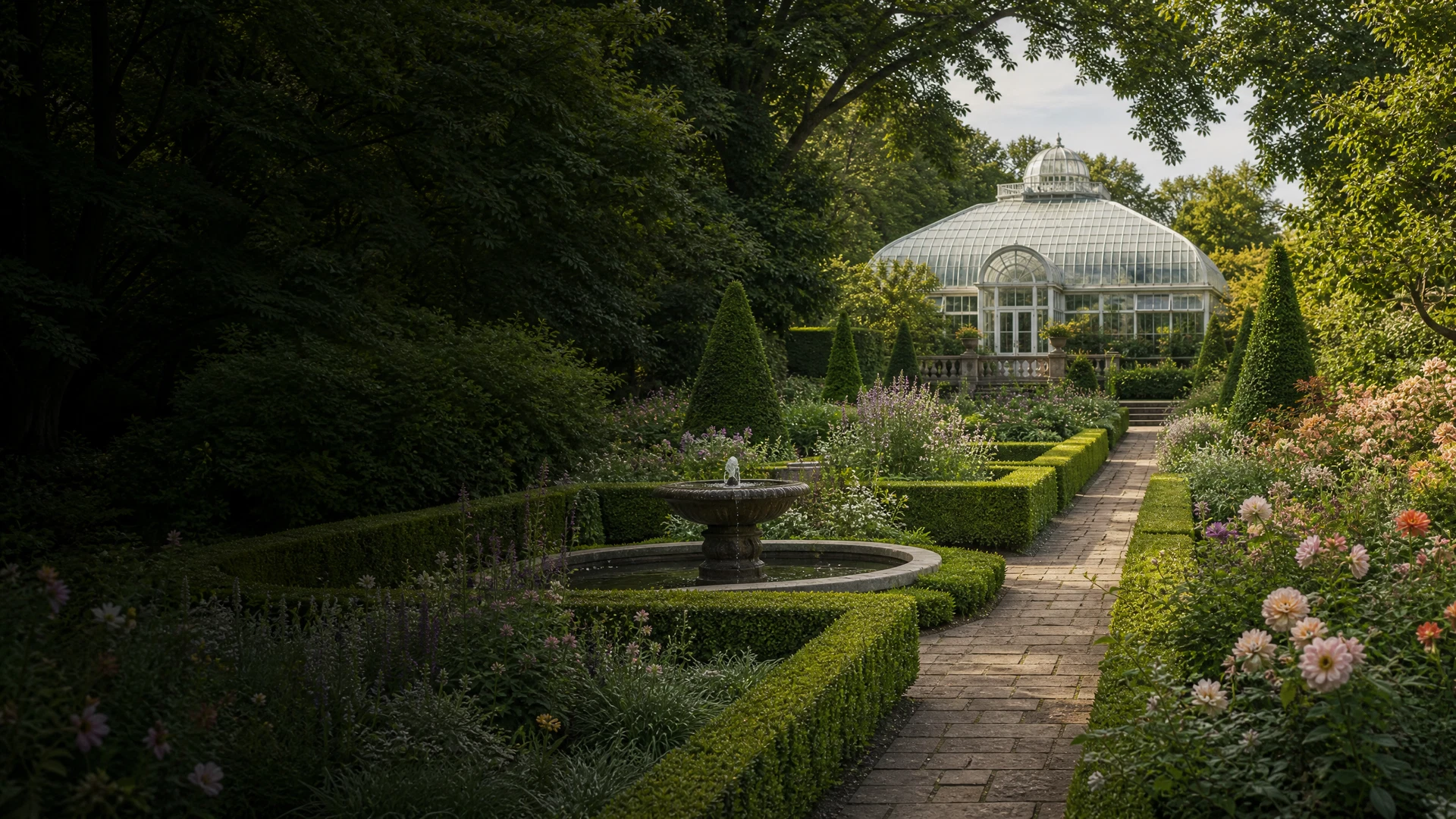
Gabis Arboretum at Purdue Northwest
Valparaiso, IN
Founded: 1998
Size: 360 acres
Admission: $10 adults
Friendship Botanic Gardens
Michigan City, IN
Founded: 1933
Size: 105 acres
Admission: $10 adults
Wellfield Botanic Gardens
Elkhart, IN
Founded: 2005
Size: 36 acres
Admission: $10 adults
Foellinger-Freimann Botanical Conservatory
Fort Wayne, IN
Founded: 1983
Size: Indoor
Admission: $7 adults
Garfield Park Conservatory & Sunken Garden
Indianapolis, IN
Founded: 1908
Size: 3 acres Sunken Garden + 10,000 sq ft Conservatory
Admission: $5 conservatory, free sunken garden
Garden Comparison Table
| Garden Name | Location | Founded | Size | Admission | Key Features |
|---|---|---|---|---|---|
| Gabis Arboretum | Valparaiso | 1998 | 360 acres | $10 | Oak collection, model railway |
| Friendship Botanic Gardens | Michigan City | 1933 | 105 acres | $10 | Historic international gardens |
| Wellfield Botanic Gardens | Elkhart | 2005 | 36 acres | $10 | Themed gardens |
| Foellinger-Freimann Conservatory | Fort Wayne | 1983 | Indoor | $7 | Indoor tropical/desert |
| Garfield Park Conservatory | Indianapolis | 1908 | 3 acres | $5/$Free | Historic formal garden |
Visitor Tips
- Check the garden's official website for current hours, admission fees, and any special events before your visit.
- Wear comfortable walking shoes, as many gardens involve extensive walking trails.
- Bring water, especially during warmer months, to stay hydrated.
- Consider visiting during off-peak hours or weekdays for a more serene experience.
- Photography is often encouraged, but be mindful of other visitors and any specific rules regarding commercial photography.
- Support the gardens by purchasing from their gift shops or making a donation.
Frequently Asked Questions
References
- Gabis Arboretum at Purdue Northwest - Wikipedia
- Gabis Arboretum at Purdue Northwest - Official Site
- Friendship Botanic Gardens - Official Site
- Wellfield Botanic Gardens - Official Site
- Foellinger-Freimann Botanical Conservatory - Wikipedia
- Foellinger-Freimann Botanical Conservatory - Official Site
- Garfield Park Conservatory & Sunken Garden - History
- Garfield Park Conservatory & Sunken Garden - Official Site
Manus AI
AI Language Model
About the editorial team
BotanicalGardens.blog publishes as an editorial team. We do not claim individual credentials or first-hand visits unless a page identifies and substantiates them. Our process prioritizes official garden records, public institutions, and clearly named sources.
Editorial verification
This guide is researched from official garden pages, public institutions, and other named sources where available. Visitor details can change; confirm hours, ticketing, and accessibility directly with the garden before a special trip.
Read our editorial standards or report a correction at corrections@botanicalgardens.blog. Last reviewed September 27, 2026.