Delaware Botanical Gardens: A Complete Guide
Discover the First State's verdant sanctuaries, from historic estates to native plant havens.
BotanicalGardens.blog Editorial Team
Editorial research & source verification
Mid-Atlantic & Appalachia seasonal guide
Delaware Month-by-Month Bloom Calendar
A long shoulder season supports early flowering trees, a strong late-spring display, summer perennials, and an extended autumn foliage period.
Garden color at a glance
Typical regional timingJan
Witch hazel, hellebores, camellias, and early bulbs begin the season.
Feb
Witch hazel, hellebores, camellias, and early bulbs begin the season.
Mar
Daffodils, cherries, magnolias, dogwoods, and spring ephemerals.
Apr
Daffodils, cherries, magnolias, dogwoods, and spring ephemerals.
May
Peak spring: azaleas, rhododendrons, roses, irises, and peonies.
Jun
Peak spring: azaleas, rhododendrons, roses, irises, and peonies.
Jul
Hydrangeas, lilies, native perennials, lotuses, and pollinator plants.
Aug
Hydrangeas, lilies, native perennials, lotuses, and pollinator plants.
Sep
Hydrangeas, lilies, native perennials, lotuses, and pollinator plants.
Oct
Fall foliage, asters, camellias, grasses, and seedheads.
Nov
Fall foliage, asters, camellias, grasses, and seedheads.
Dec
Winter color from evergreens, berries, bark, and conservatory displays.
Bloom schedules shift with elevation, microclimate, rainfall, and the previous winter. Use this as a regional planning guide, then check each garden's official bloom tracker or event calendar before making a special trip.
Delaware, often known as 'The First State,' may be small in size, but it boasts a rich horticultural heritage and a surprising array of botanical treasures. From historic estates showcasing centuries of landscape design to cutting-edge native plant conservation centers, Delaware's gardens offer a unique blend of natural beauty, educational opportunities, and serene escapes. These verdant sanctuaries provide a deep dive into the region's flora, reflecting both the elegance of formal design and the ecological importance of native ecosystems. Visitors can immerse themselves in diverse plant collections, explore meticulously maintained grounds, and learn about sustainable gardening practices that are vital for the future of our planet.
Climate & Hardiness Zone
Delaware falls primarily within USDA Plant Hardiness Zones 7a and 7b, characterized by mild winters and warm, humid summers. This climate supports a wide variety of plant life, from temperate deciduous trees to numerous flowering perennials and shrubs. The state's proximity to the Atlantic Ocean also influences its microclimates, contributing to a rich biodiversity that thrives in its botanical gardens.
| Region | USDA Hardiness Zone | Average Annual Min. Temperature |
|---|---|---|
| Northern Delaware | 7a | 0°F to 5°F (-17.8°C to -15°C) |
| Southern Delaware & Coastal Areas | 7b | 5°F to 10°F (-15°C to -12.2°C) |
Featured Gardens
Explore some of Delaware's most captivating botanical gardens, each offering a unique experience for plant enthusiasts and nature lovers alike.
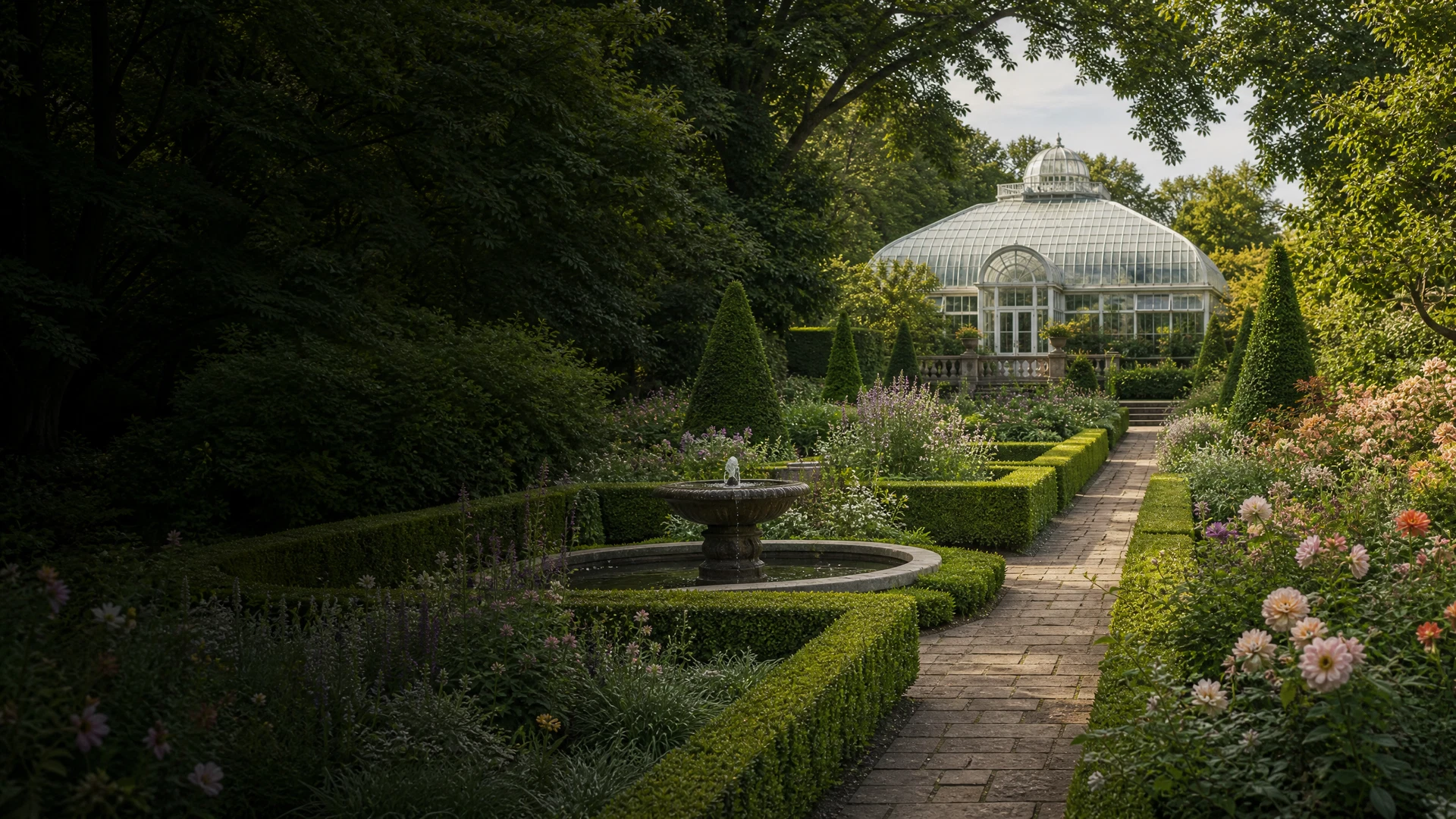
Mt. Cuba Center
Hockessin, Delaware
1083 acres
Founded: 1935
Iconic Feature: Native plant gardens and conservation research
Visit WebsiteWinterthur Garden
Winterthur, Delaware
60 acres
Founded: 1839
Iconic Feature: Historic estate with a magnificent 60-acre naturalistic garden
Visit WebsiteDelaware Botanic Gardens
Dagsboro, Delaware
37 acres
Founded: 2012
Iconic Feature: Sustainable public botanic garden with a Piet Oudolf Meadow
Visit WebsiteGarden Comparison Table
A quick overview of Delaware's premier botanical destinations, highlighting their unique characteristics.
| Garden Name | Location | Founded | Acreage | Primary Focus |
|---|---|---|---|---|
| Mt. Cuba Center | Hockessin, Delaware | 1935 | 1083 | Native plant gardens and conservation research |
| Winterthur Garden | Winterthur, Delaware | 1839 | 60 | Historic estate with a magnificent 60-acre naturalistic garden |
| Delaware Botanic Gardens | Dagsboro, Delaware | 2012 | 37 | Sustainable public botanic garden with a Piet Oudolf Meadow |
Visitor Planning Tips
- Check Hours & Admission: Always verify operating hours, admission fees, and any special event schedules on the garden's official website before your visit.
- Dress Comfortably: Wear comfortable walking shoes and weather-appropriate attire, as you'll likely be exploring extensive outdoor areas.
- Photography: Most gardens welcome photography for personal use, but always be mindful of other visitors and any specific rules regarding tripods or commercial photography.
- Accessibility: Inquire about accessibility options for strollers, wheelchairs, or visitors with limited mobility if needed.
- Pack Essentials: Consider bringing water, snacks, sunscreen, and insect repellent, especially during warmer months.
Frequently Asked Questions
BotanicalGardens.blog Editorial Team
Editorial research & source verification
About the editorial team
BotanicalGardens.blog publishes as an editorial team. We do not claim individual credentials or first-hand visits unless a page identifies and substantiates them. Our process prioritizes official garden records, public institutions, and clearly named sources.
This guide was last updated May 1, 2026 and is reviewed whenever a garden changes visitor information, seasonal programming, or access policies.
Editorial verification
This guide is researched from official garden pages, public institutions, and other named sources where available. Visitor details can change; confirm hours, ticketing, and accessibility directly with the garden before a special trip.
Read our editorial standards or report a correction at corrections@botanicalgardens.blog. Last reviewed May 2026.