Maine Botanical Gardens: A Complete Guide
Discover the rugged beauty and cultivated charm of Maine's botanical treasures, from coastal wonders to serene Japanese-inspired landscapes.
BotanicalGardens.blog Editorial Team
Editorial research & source verification
Northeast & New England seasonal guide
Maine Month-by-Month Bloom Calendar
Expect a defined but vivid warm-season arc: bulbs and flowering trees in spring, perennial abundance in summer, then notable foliage in autumn.
Garden color at a glance
Typical regional timingJan
Winter structure, indoor conservatory color, and very early witch hazel.
Feb
Winter structure, indoor conservatory color, and very early witch hazel.
Mar
Winter structure, indoor conservatory color, and very early witch hazel.
Apr
Daffodils, magnolias, cherries, ephemerals, and early azaleas.
May
Daffodils, magnolias, cherries, ephemerals, and early azaleas.
Jun
Peak garden season: roses, peonies, irises, lilacs, and water gardens.
Jul
Peak garden season: roses, peonies, irises, lilacs, and water gardens.
Aug
Late-summer borders: hydrangeas, lilies, natives, and pollinator plants.
Sep
Late-summer borders: hydrangeas, lilies, natives, and pollinator plants.
Oct
Maples, grasses, asters, berries, and fall foliage at its strongest.
Nov
Maples, grasses, asters, berries, and fall foliage at its strongest.
Dec
Evergreen structure and holiday greenhouse displays.
Bloom schedules shift with elevation, microclimate, rainfall, and the previous winter. Use this as a regional planning guide, then check each garden's official bloom tracker or event calendar before making a special trip.
Introduction to Maine's Botanical Splendor
Maine, often celebrated for its dramatic coastline, dense forests, and picturesque lighthouses, also harbors a collection of botanical gardens that showcase the state's unique flora and horticultural artistry. These verdant havens offer a tranquil escape, inviting visitors to explore meticulously cultivated landscapes, diverse plant collections, and a rich tapestry of natural beauty. From expansive coastal gardens that embrace the rugged maritime environment to intimate, Japanese-inspired retreats, Maine's botanical sites provide a profound connection to nature and a deeper understanding of the region's ecological heritage.
Each garden tells a story, blending historical significance with innovative design, and offering a vibrant display of colors, textures, and seasonal transformations. Whether you are a seasoned botanist or a casual admirer of natural beauty, Maine's botanical gardens promise an enriching and inspiring experience, highlighting the resilience and diversity of plant life in the challenging yet rewarding climate of the Pine Tree State.
Climate & Hardiness Zones in Maine
Maine's climate is characterized by cold, snowy winters and warm summers, influencing the types of plants that thrive across the state. The USDA Plant Hardiness Zone Map is an essential tool for gardeners, indicating which plants are most likely to survive winter temperatures in a particular location. Maine spans a range of zones, primarily from Zone 3 to Zone 6, reflecting the significant temperature variations from its northern interior to its milder coastal regions.
| Region | USDA Hardiness Zones | Typical Winter Lows |
|---|---|---|
| Northern Maine | 3a to 4a | -40°F to -25°F |
| Central Maine | 4b to 5a | -25°F to -15°F |
| Coastal Maine | 5b to 6a | -15°F to -5°F |
Gardeners in Maine must select plants adapted to these specific zones, favoring cold-hardy varieties that can withstand the harsh winters. The coastal areas benefit from the moderating influence of the Atlantic Ocean, resulting in slightly milder temperatures compared to the interior. This variation allows for a diverse range of plant life, from resilient conifers and native wildflowers to carefully protected exotic species in specialized garden environments.
Featured Gardens of Maine
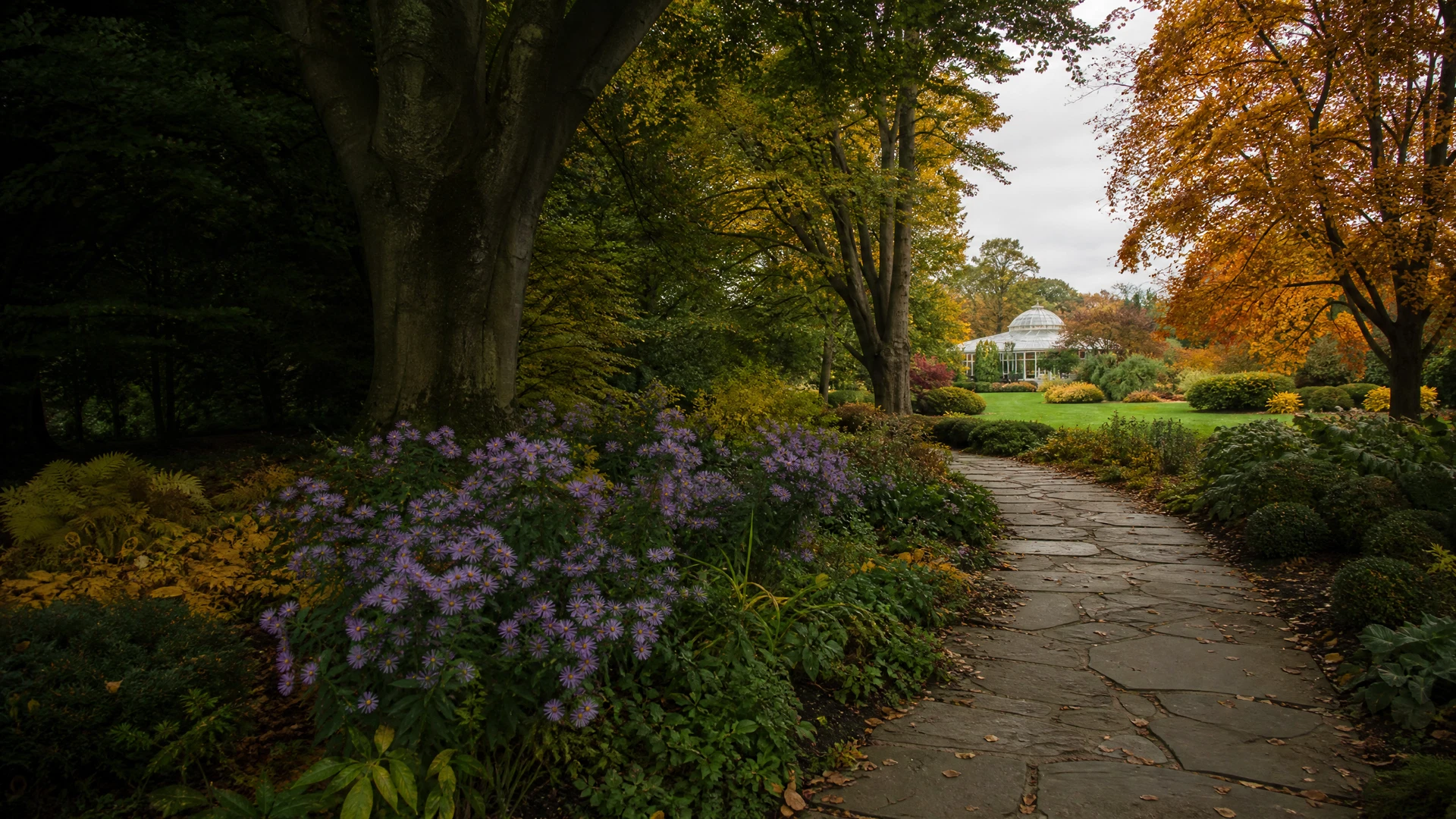
Coastal Maine Botanical Gardens
Boothbay, ME
Iconic Feature: New England's largest botanical garden, home to the beloved 'Guardians of the Seeds' giant trolls.
Asticou Azalea Garden
Northeast Harbor, ME
Iconic Feature: A serene Japanese-inspired stroll garden, renowned for its vibrant azalea and rhododendron collections and tranquil sand garden.
Thuya Garden
Northeast Harbor, ME
Iconic Feature: A semi-formal English-style herbaceous garden, accessed via mossy, granite-stepped terraces, offering breathtaking views of Northeast Harbor.
Garden Comparison Table
| Garden Name | Location | Founded | Acres | Iconic Feature | Admission |
|---|---|---|---|---|---|
| Coastal Maine Botanical Gardens | Boothbay, ME | 2007 | 325 | New England's largest botanical garden, home to the beloved 'Guardians of the Seeds' giant trolls. | Adults $28, Seniors $24, Students $19, Children (3-17) $12, Under 3 Free. |
| Asticou Azalea Garden | Northeast Harbor, ME | 1957 | 2.3 | A serene Japanese-inspired stroll garden, renowned for its vibrant azalea and rhododendron collections and tranquil sand garden. | Suggested $5 per person donation. |
| Thuya Garden | Northeast Harbor, ME | 1962 | 1 | A semi-formal English-style herbaceous garden, accessed via mossy, granite-stepped terraces, offering breathtaking views of Northeast Harbor. | Free admission, though donations are welcome. |
Visitor Planning Tips
- Best Time to Visit: Late spring through early fall (May to October) offers the most vibrant displays. Check individual garden websites for specific bloom calendars and seasonal events.
- Dress Comfortably: Wear comfortable walking shoes, as most gardens involve extensive walking. Layers are advisable, especially along the coast, where weather can change quickly.
- Check Ahead: Always verify operating hours, admission fees, and any special events or closures on the garden's official website before your visit.
- Photography: Maine's gardens are incredibly photogenic. Bring your camera to capture the stunning landscapes and intricate plant details. Be mindful of other visitors and garden rules regarding photography.
- Respect Nature: Stay on designated paths, do not pick flowers or disturb plants, and carry out anything you carry in to preserve the beauty for all.
Frequently Asked Questions
References
- Coastal Maine Botanical Gardens. (n.d.). Our Story. Retrieved from https://www.mainegardens.org/visit/story/
- Land & Garden Preserve. (n.d.). Asticou Azalea Garden. Retrieved from https://www.gardenpreserve.org/asticou-azalea-garden
- Land & Garden Preserve. (n.d.). History of Asticou Azalea Garden. Retrieved from https://www.gardenpreserve.org/history-of-asticou-azalea-garden
- Land & Garden Preserve. (n.d.). Thuya Garden. Retrieved from https://www.gardenpreserve.org/thuya-garden
- Land & Garden Preserve. (n.d.). History of Thuya Garden. Retrieved from https://www.gardenpreserve.org/history-of-thuya-garden
- USDA Plant Hardiness Zone Map. (n.d.). Maine. Retrieved from https://planthardiness.ars.usda.gov/pages/map-downloads
- Wikipedia. (n.d.). Asticou Azalea Garden. Retrieved from https://en.wikipedia.org/wiki/Asticou_Azalea_Garden
BotanicalGardens.blog Editorial Team
Editorial research & source verification
About the editorial team
BotanicalGardens.blog publishes as an editorial team. We do not claim individual credentials or first-hand visits unless a page identifies and substantiates them. Our process prioritizes official garden records, public institutions, and clearly named sources.
This guide was last updated May 1, 2026 and is reviewed whenever a garden changes visitor information, seasonal programming, or access policies.
Editorial verification
This guide is researched from official garden pages, public institutions, and other named sources where available. Visitor details can change; confirm hours, ticketing, and accessibility directly with the garden before a special trip.
Read our editorial standards or report a correction at corrections@botanicalgardens.blog. Last reviewed May 2026.