New Mexico Botanical Gardens: Sandia Mountains & Desert Flora
BotanicalGardens.blog Editorial Team
Editorial research & source verification
Desert Southwest seasonal guide
New Mexico Month-by-Month Bloom Calendar
The most comfortable and color-rich period is often late winter through spring; summer rewards early visitors with cacti and monsoon-season blooms.
Garden color at a glance
Typical regional timingJan
Winter bloom season: aloes, acacias, desert shrubs, and early wildflowers.
Feb
Winter bloom season: aloes, acacias, desert shrubs, and early wildflowers.
Mar
Peak desert color: wildflowers, cacti, agaves, palo verde, and flowering trees.
Apr
Peak desert color: wildflowers, cacti, agaves, palo verde, and flowering trees.
May
Peak desert color: wildflowers, cacti, agaves, palo verde, and flowering trees.
Jun
Heat-season display: cacti, succulents, yuccas, and early-morning blooms.
Jul
Heat-season display: cacti, succulents, yuccas, and early-morning blooms.
Aug
Heat-season display: cacti, succulents, yuccas, and early-morning blooms.
Sep
Monsoon and fall color: rain-triggered annuals, salvias, and desert daisies.
Oct
Monsoon and fall color: rain-triggered annuals, salvias, and desert daisies.
Nov
Cool-season foliage, seed forms, and early winter flowers begin returning.
Dec
Cool-season foliage, seed forms, and early winter flowers begin returning.
Bloom schedules shift with elevation, microclimate, rainfall, and the previous winter. Use this as a regional planning guide, then check each garden's official bloom tracker or event calendar before making a special trip.
New Mexico, a state renowned for its dramatic landscapes and rich cultural tapestry, also harbors a surprising diversity of botanical treasures. From the high desert plateaus to the foothills of the Sangre de Cristo Mountains, the state's botanical gardens offer unique insights into both native flora and species adapted to arid and semi-arid climates. With USDA Plant Hardiness Zones ranging from 4b to 9a, New Mexico presents a fascinating challenge and opportunity for horticulture, showcasing plants that thrive in its distinctive environment.
The botanical gardens across New Mexico are not merely collections of plants; they are living laboratories, educational centers, and serene escapes that reflect the state's ecological diversity and its commitment to conservation. They play a vital role in research, public education, and the preservation of rare and endangered species, particularly those adapted to the challenging conditions of the American Southwest. Visitors to these gardens can expect to encounter a wide array of plant life, from resilient desert succulents and cacti to vibrant native wildflowers and meticulously cultivated themed gardens.
1. ABQ BioPark Botanic Garden
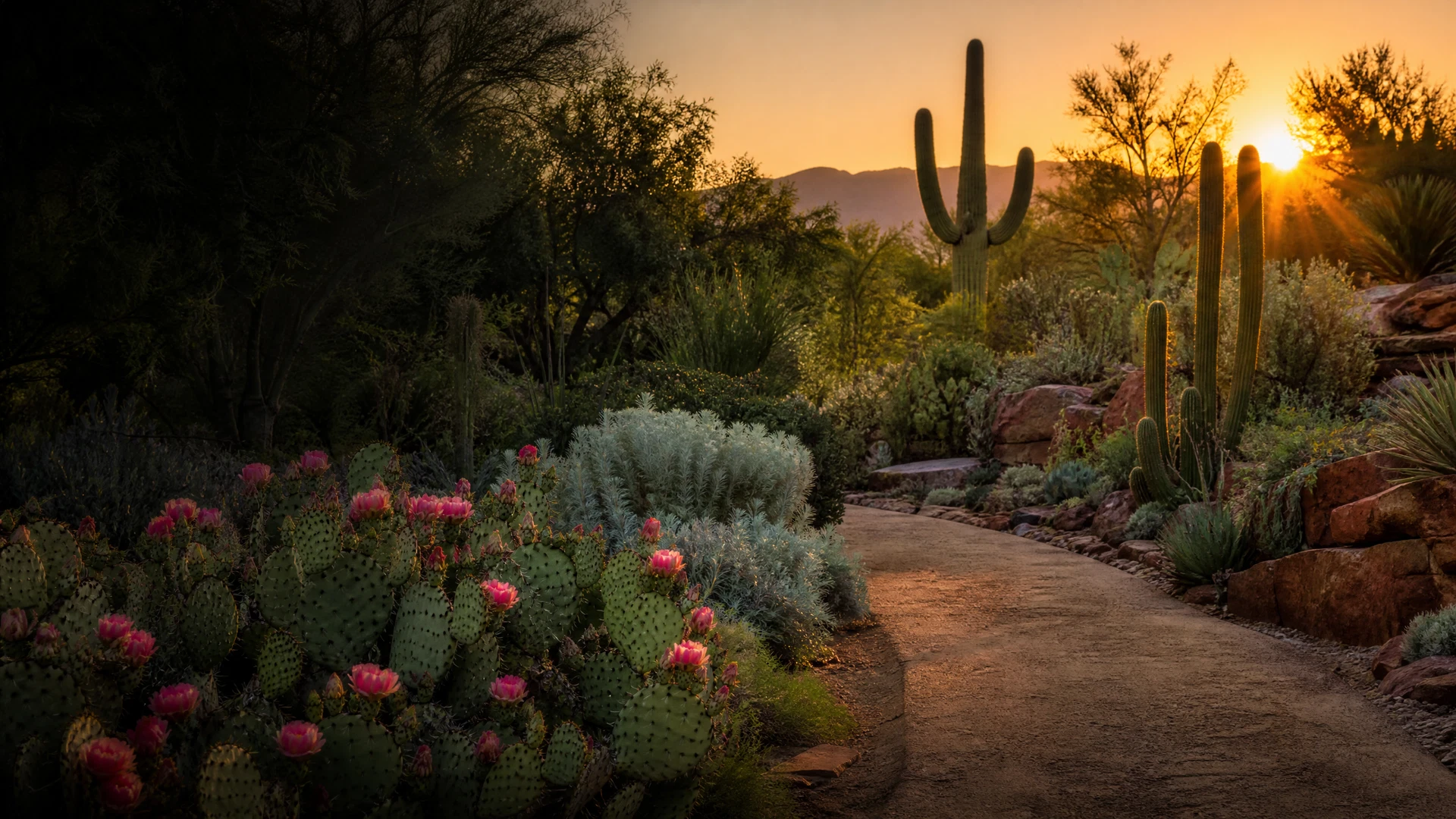
The ABQ BioPark Botanic Garden, opened in 1996, spans 32 acres and is a cornerstone of botanical exploration in the Southwest. Nestled in Albuquerque, New Mexico, it offers a diverse array of plant life from the American Southwest and around the globe. Its commitment to education and conservation is evident in its meticulously curated exhibits and programs.
An iconic feature of the ABQ BioPark Botanic Garden is its The Botanic Garden’s BUGarium is one of the most elaborate exhibits dedicated to bugs and arthropods in the country.. This unique exhibit provides an immersive experience into the world of insects and arthropods, highlighting their crucial role in ecosystems. Beyond the BUGarium, visitors can explore a wide range of collections including the Desert Conservatory, Mediterranean Conservatory, Heritage Farm, Children's Fantasy Garden, Japanese Garden, Sasebo Garden, High Desert Rose Garden, Pollinator Garden, Railroad Garden, Aquatic Garden. Each area is designed to educate and inspire, showcasing plants adapted to various climates, from arid deserts to lush Mediterranean environments.
Visitor tips include planning ample time to explore the extensive grounds, especially during the April–October peak peak season when many plants are in full bloom. Admission details can be found on their official website, and the garden is easily accessible at 2601 Central Ave. NW, Albuquerque. The garden's dedication to showcasing both native and exotic species makes it a vital resource for horticultural enthusiasts and a beautiful escape for all visitors. For more information, visit their official website: ABQ BioPark Botanic Garden [1].
2. Santa Fe Botanical Garden
The Santa Fe Botanical Garden, with its Orchard Gardens opening in 2013, is dedicated to celebrating, cultivating, and conserving the rich botanical heritage and biodiversity of the New Mexico region. Located in Santa Fe, New Mexico, this garden offers a unique high-desert botanical experience, deeply rooted in the local landscape and cultural history.
A significant highlight is Ojos y Manos: Eyes and Hands, an ethnobotanical garden featuring raised beds for annual crops and an extensive collection of plants with traditional uses.. This ethnobotanical garden provides insights into traditional plant uses and agricultural practices, connecting visitors with the land's history. The garden is structured into three main sections: the Orchard Gardens, Ojos y Manos: Eyes and Hands (ethnobotanical garden), Piñon-Juniper Woodland. Each section offers a distinct experience, from the fruit trees and xeric plants of the Orchard Gardens to the native flora of the Piñon-Juniper Woodland.
Visitors are encouraged to explore the garden during its April–October peak peak season to witness the full beauty of its collections. The Santa Fe Botanical Garden is not just a place of beauty but also a center for education, science, and community service, reflecting a deep respect for the ancestral lands of the Tewa people. For more details on planning your visit and current exhibitions, refer to their official site: Santa Fe Botanical Garden [2].
3. New Mexico State University Botanical Garden
The New Mexico State University Botanical Garden, an integral part of the Fabian Garcia Science Center in Las Cruces, New Mexico, plays a crucial role in agricultural research and public education. While a specific founding date for the botanical garden itself is not readily available, it operates under the umbrella of New Mexico State University, established in 1890, contributing to a long legacy of botanical study in the region.
The garden's The Botanical Gardens and Gazebo is available to reserve for special occasions, serving as a key feature of the Fabian Garcia Science Center.. It serves as a living laboratory and a beautiful space for the community. Its collections, including Arid land horticulture, Native plants, Demonstration gardens, focus on plants suitable for arid and semi-arid environments, providing valuable insights into sustainable horticulture in the Southwest. The garden is a testament to NMSU's commitment to understanding and promoting plant life in challenging climates.
The New Mexico State University Botanical Garden is open to visitors from sunrise to sunset, offering a serene environment for exploration. Admission is free, making it an accessible educational resource for students and the public alike. While specific peak seasons may vary, spring and fall generally offer the most pleasant visiting conditions. For more information on events and research, please visit: NMSU Fabian Garcia Science Center [3].
Climate and Hardiness Zones in New Mexico
New Mexico's diverse geography leads to a variety of microclimates, though it is predominantly semi-arid. Understanding USDA Plant Hardiness Zones is crucial for successful gardening, as these zones indicate the average annual extreme minimum winter temperature, which is a key factor in plant survival.
| USDA Zone | Region | Temperature Range (°F) |
|---|---|---|
| 4b | Northern Mountains (higher elevations) | -25 to -20 |
| 5a | Northern Mountains (mid-elevations) | -20 to -15 |
| 5b | Northern Mountains (lower elevations) | -15 to -10 |
| 6a | Central Highlands, Santa Fe area | -10 to -5 |
| 6b | Central Highlands, Albuquerque area (higher elevations) | -5 to 0 |
| 7a | Albuquerque, Rio Grande Valley (mid-elevations) | 0 to 5 |
| 7b | Albuquerque, Rio Grande Valley (lower elevations) | 5 to 10 |
| 8a | Southern Deserts, Las Cruces area | 10 to 15 |
| 8b | Southern Deserts (lower elevations) | 15 to 20 |
| 9a | Extreme Southern Deserts | 20 to 25 |
New Mexico Botanical Gardens at a Glance
To help plan your visit, here's a comparison of some of New Mexico's prominent botanical gardens:
| Garden Name | Founded | Acres | Admission | Best Season |
|---|---|---|---|---|
| ABQ BioPark Botanic Garden | 1996 | 32" | Varies, check website for details" | April–October peak" |
| Santa Fe Botanical Garden | 2013 | 13" | Varies, check website for details" | April–October peak" |
| New Mexico State University Botanical Garden | 1890 | 10" | Free" | Year-round, but spring/fall are ideal" |
Frequently Asked Questions About New Mexico Botanical Gardens
Reviewed by the BotanicalGardens.blog editorial research desk. Last updated May 2026.
References
BotanicalGardens.blog Editorial Team
Editorial research & source verification
About the editorial team
BotanicalGardens.blog publishes as an editorial team. We do not claim individual credentials or first-hand visits unless a page identifies and substantiates them. Our process prioritizes official garden records, public institutions, and clearly named sources.
This guide was last updated May 1, 2026 and is reviewed whenever a garden changes visitor information, seasonal programming, or access policies.
Editorial verification
This guide is researched from official garden pages, public institutions, and other named sources where available. Visitor details can change; confirm hours, ticketing, and accessibility directly with the garden before a special trip.
Read our editorial standards or report a correction at corrections@botanicalgardens.blog. Last reviewed May 2026.