Utah Botanical Gardens: A Complete Guide
Discover the high desert's surprising floral oases, from mountain foothills to serene riverbanks.
BotanicalGardens.blog Editorial Team
Editorial research & source verification
Desert Southwest seasonal guide
Utah Month-by-Month Bloom Calendar
The most comfortable and color-rich period is often late winter through spring; summer rewards early visitors with cacti and monsoon-season blooms.
Garden color at a glance
Typical regional timingJan
Winter bloom season: aloes, acacias, desert shrubs, and early wildflowers.
Feb
Winter bloom season: aloes, acacias, desert shrubs, and early wildflowers.
Mar
Peak desert color: wildflowers, cacti, agaves, palo verde, and flowering trees.
Apr
Peak desert color: wildflowers, cacti, agaves, palo verde, and flowering trees.
May
Peak desert color: wildflowers, cacti, agaves, palo verde, and flowering trees.
Jun
Heat-season display: cacti, succulents, yuccas, and early-morning blooms.
Jul
Heat-season display: cacti, succulents, yuccas, and early-morning blooms.
Aug
Heat-season display: cacti, succulents, yuccas, and early-morning blooms.
Sep
Monsoon and fall color: rain-triggered annuals, salvias, and desert daisies.
Oct
Monsoon and fall color: rain-triggered annuals, salvias, and desert daisies.
Nov
Cool-season foliage, seed forms, and early winter flowers begin returning.
Dec
Cool-season foliage, seed forms, and early winter flowers begin returning.
Bloom schedules shift with elevation, microclimate, rainfall, and the previous winter. Use this as a regional planning guide, then check each garden's official bloom tracker or event calendar before making a special trip.
Utah, often celebrated for its dramatic red rock landscapes and majestic mountain ranges, also harbors a collection of botanical gardens that offer a surprising contrast to its arid reputation. These verdant sanctuaries showcase the resilience and beauty of both native and adapted plant life, providing invaluable educational resources and tranquil escapes. From the expansive collections nestled in the foothills of the Wasatch Front to the meticulously designed landscapes along river corridors, Utah's gardens invite visitors to explore diverse ecosystems and appreciate the art of horticulture in a high-desert environment.
Climate & Hardiness Zones in Utah
Utah's diverse topography results in a wide range of climates and USDA Plant Hardiness Zones. Gardeners in Utah must contend with significant elevation changes, arid conditions, and often extreme temperature fluctuations. Understanding these zones is crucial for successful gardening, guiding plant selection to ensure species can thrive in the local winter minimum temperatures.
| Region | Typical USDA Hardiness Zones | Characteristics |
|---|---|---|
| Northern Mountains & Valleys | 4a to 5b | Cold winters, moderate summers, higher elevations. |
| Wasatch Front (Salt Lake City, Ogden, Provo) | 5b to 7a | Colder winters, hot dry summers, influenced by Great Salt Lake. |
| Central & Eastern Plateaus | 4b to 6a | Harsh winters, often high desert conditions. |
| Southwestern Deserts (St. George) | 7b to 9a | Mild winters, very hot summers, arid climate. |
Source: USDA Plant Hardiness Zone Map for Utah, Gardening Know How.
Featured Botanical Gardens in Utah
Utah's botanical gardens are testaments to horticultural innovation and natural beauty, each offering a unique experience. Explore these remarkable destinations that celebrate plant diversity and provide serene environments for learning and relaxation.
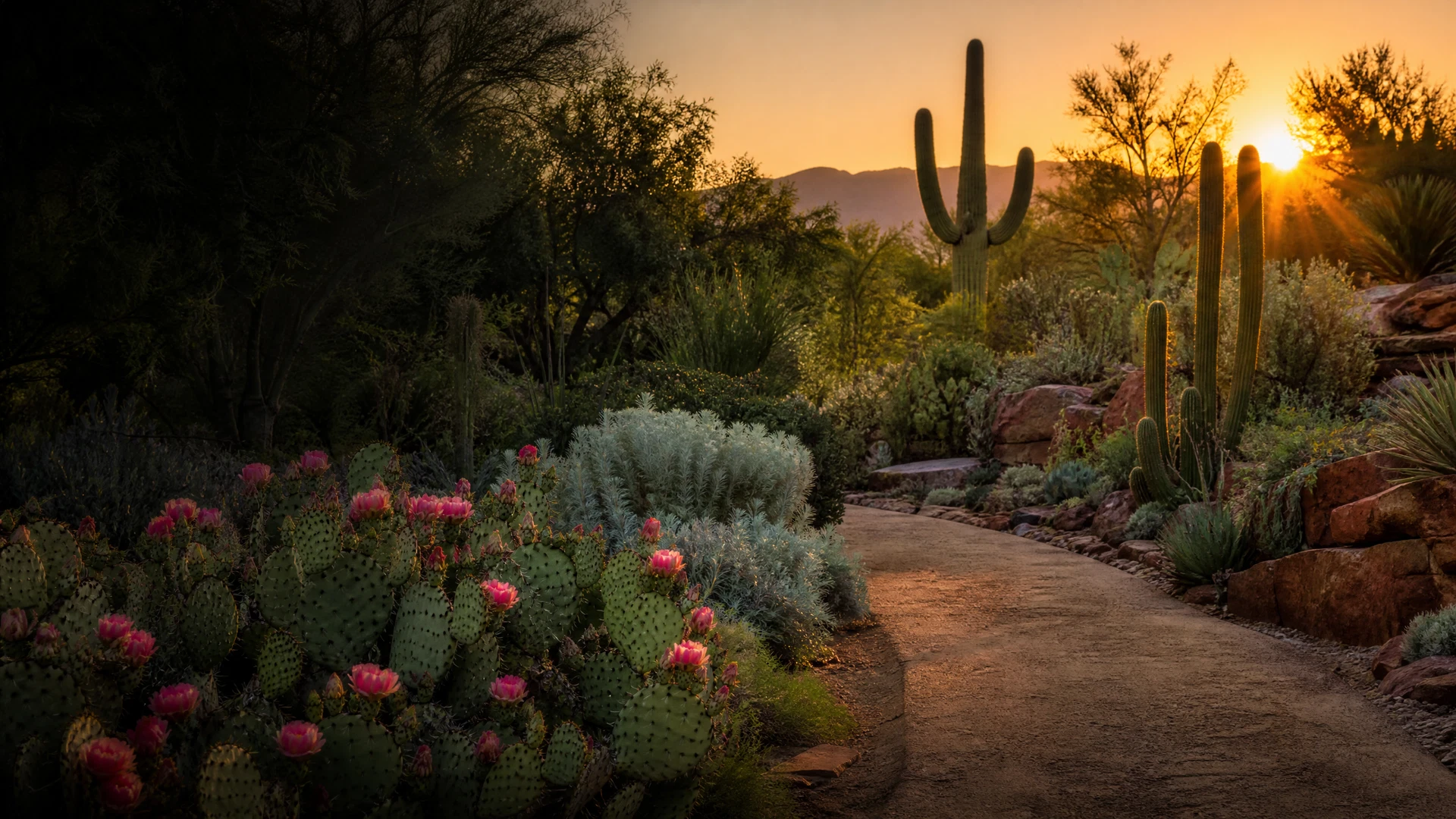
Red Butte Garden
Salt Lake City, UT
100 acres
Founded: 1985
Iconic Feature: The largest botanical garden in the Intermountain West, featuring diverse themed gardens and natural areas.
Ogden Botanical Gardens
Ogden, UT
11 acres
Founded: 1994
Iconic Feature: A tranquil oasis along the Ogden River, promoting inner-city beauty and water-wise landscaping.
Ashton Gardens at Thanksgiving Point
Lehi, UT
50 acres
Founded: 1997
Iconic Feature: Home to the largest man-made waterfall in the Western Hemisphere and 17 themed garden rooms.
Garden Comparison
To help you plan your horticultural journey through Utah, here's a comparison of the featured botanical gardens, highlighting their unique aspects and offerings.
| Garden Name | Location | Founded | Acres | Admission | Key Highlight |
|---|---|---|---|---|---|
| Red Butte Garden | Salt Lake City, UT | 1985 | 100 | Adults $16, Seniors $14, Children (2-17) $8 | The largest botanical garden in the Intermountain West, featuring diverse themed gardens and natural areas. |
| Ogden Botanical Gardens | Ogden, UT | 1994 | 11 | Free | A tranquil oasis along the Ogden River, promoting inner-city beauty and water-wise landscaping. |
| Ashton Gardens at Thanksgiving Point | Lehi, UT | 1997 | 50 | Adults $24, Youth (13-17) $19, Child (3-12) $17 | Home to the largest man-made waterfall in the Western Hemisphere and 17 themed garden rooms. |
Visitor Planning Tips for Utah Gardens
- Check Seasonal Bloom Guides: Many gardens offer online bloom calendars to help you plan your visit during peak floral displays.
- Hydrate and Protect: Utah's high desert climate can be dry. Bring water, wear sunscreen, and consider a hat, especially during summer months.
- Dress in Layers: Temperatures can vary significantly between morning and afternoon, even within the same day.
- Respect the Landscape: Stay on marked paths, do not pick flowers, and leave no trace to preserve the beauty for all visitors.
- Accessibility: Most major gardens offer accessible pathways, but it's always wise to check their specific websites for detailed information.
Frequently Asked Questions
References
- Red Butte Garden: About Us
- American Public Gardens Association: Ogden Botanical Gardens is Celebrating its 30th Anniversary
- Association of Children's Museums: Positioning for Growth: Thanksgiving Point Restructures to...
- Gardening Know How: USDA Plant Hardiness Zone Map For Utah
- Red Butte Garden Official Website
- Ogden Botanical Gardens Official Website
- Thanksgiving Point: Ashton Gardens Official Page
BotanicalGardens.blog Editorial Team
Editorial research & source verification
About the editorial team
BotanicalGardens.blog publishes as an editorial team. We do not claim individual credentials or first-hand visits unless a page identifies and substantiates them. Our process prioritizes official garden records, public institutions, and clearly named sources.
This guide was last updated May 1, 2026 and is reviewed whenever a garden changes visitor information, seasonal programming, or access policies.
Editorial verification
This guide is researched from official garden pages, public institutions, and other named sources where available. Visitor details can change; confirm hours, ticketing, and accessibility directly with the garden before a special trip.
Read our editorial standards or report a correction at corrections@botanicalgardens.blog. Last reviewed May 2026.