Washington State Botanical Gardens Guide
BotanicalGardens.blog Editorial Team
Editorial research & source verification
In This Guide
Washington's Garden Legacy
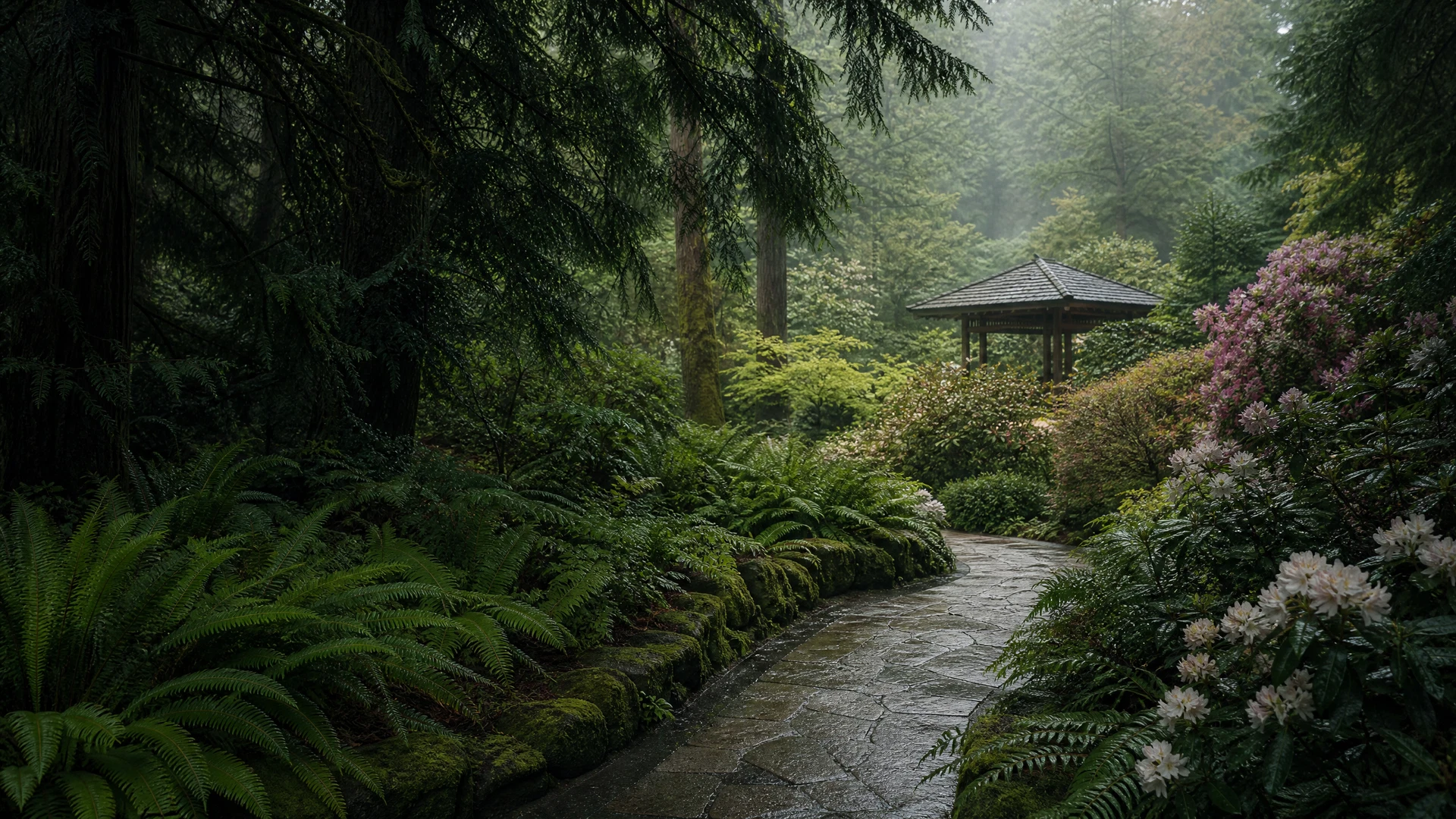
Washington State, often celebrated for its dramatic landscapes of towering mountains, ancient forests, and rugged coastlines, also harbors a rich and vibrant botanical garden culture. These green sanctuaries offer a profound connection to the region's unique biodiversity and serve as living classrooms for horticulture enthusiasts. From the meticulously curated collections in urban centers to expansive arboretums nestled beside serene lakes, Washington's gardens reflect a deep appreciation for both native flora and exotic species that thrive in its varied climates.
The state's garden legacy is characterized by a blend of naturalistic design, often incorporating the dramatic Pacific Northwest landscape, and formal horticultural displays. Many gardens emphasize conservation, showcasing native plants and educating visitors on sustainable practices. This commitment to environmental stewardship, combined with innovative design and community engagement, makes Washington a premier destination for botanical exploration. The mild, moist climate of Western Washington, in particular, fosters an incredible diversity of plant life, allowing for lush growth and spectacular seasonal displays.
Beyond their aesthetic appeal, Washington's botanical gardens play a crucial role in scientific research, plant propagation, and public outreach. They are places of tranquility, learning, and inspiration, inviting visitors to wander through diverse ecosystems, discover rare plant specimens, and deepen their understanding of the natural world. Each garden tells a unique story, contributing to the state's reputation as a haven for botanical beauty and horticultural excellence.
Climate & Plant Diversity
Washington State's climate is remarkably diverse, largely influenced by the Cascade Mountain Range which divides the state into distinct climatic zones. Western Washington experiences a mild, oceanic climate characterized by wet, cool winters and relatively dry, warm summers. This region falls predominantly into USDA Plant Hardiness Zones 8b-9a, providing ideal conditions for a vast array of temperate plants, including rhododendrons, azaleas, conifers, and a rich understory of ferns and mosses. The consistent moisture and moderate temperatures contribute to the lush, verdant landscapes seen in many of the state's botanical gardens.
East of the Cascades, the climate transitions to a much drier, continental pattern with hotter summers and colder winters, typically ranging from USDA Zones 4b-7a. While this area supports different types of flora, including drought-tolerant species and steppe vegetation, the majority of Washington's prominent botanical gardens are located in the milder western region. This climatic dichotomy allows the state to host an extraordinary spectrum of plant diversity, from the rainforest-like conditions of the Olympic Peninsula to the high desert plateaus, making it a fascinating study for botanists and gardeners alike.
| Region | USDA Zones | Climate Characteristics | Notable Plant Types |
|---|---|---|---|
| Western Washington (Coastal/Puget Sound) | 8b-9a | Mild, wet winters; warm, dry summers; oceanic influence | Rhododendrons, Azaleas, Conifers, Ferns, Japanese Maples |
| Cascade Mountains | 5a-7a | Cold, snowy winters; short, cool summers; alpine influence | Subalpine fir, Mountain hemlock, Alpine wildflowers |
| Eastern Washington (Columbia Basin) | 4b-7a | Hot, dry summers; cold winters; continental influence | Sagebrush, Ponderosa pine, Drought-tolerant perennials |
| Olympic Peninsula (Western Side) | 8b-9a | Temperate rainforest; very high rainfall; mild temperatures | Sitka spruce, Western hemlock, Bigleaf maple, Mosses, Ferns |
Featured Botanical Gardens
The Washington Park Arboretum, a verdant oasis jointly managed by the University of Washington Botanic Gardens and the City of Seattle, is a living museum of woody plants. Established in 1934, this expansive 230-acre site is renowned for its diverse collections and tranquil landscapes. Visitors can explore a rich tapestry of plant life, from towering conifers to delicate wildflowers, all thriving in the Pacific Northwest's unique climate. The Arboretum serves as a vital center for botanical research, conservation, and public education, offering a deep dive into the world of horticulture. Its thoughtful design integrates both cultivated gardens and naturalistic areas, providing a serene escape within the bustling city of Seattle. The commitment to preserving biodiversity and fostering environmental stewardship is evident throughout its meticulously cared-for grounds.
Historical Note: The land that now comprises the Washington Park Arboretum has a rich history, initially inhabited by the Duwamish people. In the early 20th century, after logging, the City of Seattle Parks Commission acquired the property and, with the help of the Olmsted Brothers firm, began its transformation into a park. The Arboretum itself was officially established in 1934 through a collaboration between the University of Washington and the City. During the Great Depression, Works Progress Administration crews significantly contributed to its development, building essential infrastructure and planting many of its foundational collections. [Washington Park Arboretum]
The Bellevue Botanical Garden is a stunning 53-acre urban refuge that harmoniously blends cultivated gardens, restored woodlands, and natural wetlands. Established in 1992, this garden is a testament to community vision and dedicated volunteerism, offering free admission to all visitors. It showcases plants that thrive in the Pacific Northwest, providing inspiration and education for home gardeners and enthusiasts alike. It's a place where art, nature, and education converge, creating a truly immersive botanical experience.
Historical Note: The genesis of the Bellevue Botanical Garden began in 1981 with a generous donation of 7.5 acres by the Shorts family to the City of Bellevue. The idea for a botanical garden gained momentum with the proposal from the Jewett family. Through meticulous planning and construction, the garden officially opened in 1992, initially featuring the Perennial Border, Yao Garden, and Fuchsia Garden. Subsequent land acquisitions and continuous development have expanded its footprint and diversified its offerings, making it a cherished public amenity. [Bellevue Botanical Garden]
Kubota Garden is a meticulously crafted 20-acre Japanese garden nestled in Seattle's Rainier Beach neighborhood. Founded in 1927 by Fujitaro Kubota, a Japanese immigrant, this garden is a testament to his vision and dedication. It seamlessly blends traditional Japanese garden aesthetics with the natural beauty of the Pacific Northwest, featuring stunning rock outcroppings, tranquil ponds, flowing streams, and vibrant plant collections. Now a public park maintained by Seattle Parks and Recreation and the Kubota Garden Foundation, it offers a peaceful retreat and a rich cultural experience, inviting visitors to explore its winding paths and discover hidden gems.
Historical Note: Fujitaro Kubota, a self-taught gardener from Shikoku, Japan, began creating this garden in 1927 after purchasing 5 acres of swampland. His vision was to create a Japanese garden that would showcase the beauty of the Pacific Northwest. Despite facing internment during World War II, Kubota continued his work, and the garden grew. In 1981, the core of the garden was declared a historical landmark, and in 1987, the City of Seattle acquired the property, ensuring its preservation and public access. [Kubota Garden]
Quick Comparison Table
| Name | Location | Founded | Acreage | Admission | Best For |
|---|---|---|---|---|---|
| Washington Park Arboretum | Seattle, WA | 1934 | 230 acres | Free Admission | Plant Diversity & Research |
| Bellevue Botanical Garden | Bellevue, WA | 1992 | 53 acres | Free Admission | Inspirational Design & PNW Flora |
| Kubota Garden | Seattle, WA | 1927 | 20 acres | Free Admission | Authentic Japanese Landscape |
Visitor Planning Tips for Washington State Gardens
- Dress in Layers and Prepare for Rain: Western Washington's weather can be unpredictable, even in summer. Always bring layers and a waterproof jacket, especially when visiting gardens in the Puget Sound area, to comfortably enjoy your visit regardless of sudden showers or temperature changes.
- Check Seasonal Bloom Schedules: Each garden has peak seasons for different plant collections. Before your visit, check the garden's website for their seasonal bloom calendar to ensure you catch your favorite flowers, whether it's spring rhododendrons, summer roses, or autumn foliage.
- Utilize Public Transportation or Carpool: Many of Washington's urban botanical gardens, particularly in Seattle and Bellevue, can be accessed via public transit. If driving, consider carpooling, especially during peak season or weekends, as parking can sometimes be limited.
- Explore Beyond the Main Paths: While main pathways offer beautiful views, don't hesitate to venture onto smaller, less-traveled trails. Many gardens feature hidden gems, unique plant specimens, and tranquil spots that are often overlooked by casual visitors.
- Respect the Gardens: Remember that botanical gardens are living collections and research sites. Stay on designated paths, do not pick flowers or disturb plants, and carry out everything you carry in to help preserve their beauty and ecological integrity for all to enjoy.
Frequently Asked Questions
References
BotanicalGardens.blog Editorial Team
Editorial research & source verification
About the editorial team
BotanicalGardens.blog publishes as an editorial team. We do not claim individual credentials or first-hand visits unless a page identifies and substantiates them. Our process prioritizes official garden records, public institutions, and clearly named sources.
Editorial verification
This guide is researched from official garden pages, public institutions, and other named sources where available. Visitor details can change; confirm hours, ticketing, and accessibility directly with the garden before a special trip.
Read our editorial standards or report a correction at corrections@botanicalgardens.blog.