Wisconsin · Est. 1932
University of Wisconsin-Madison Arboretum
The birthplace of ecological restoration and home to the world's oldest restored prairie.
Founded
1932
Size
1,200 acres
Hardiness Zone
USDA Zone 5b
Best Season
May to October
About University of Wisconsin-Madison Arboretum
The University of Wisconsin-Madison Arboretum is a 1200-acre living laboratory that pioneered the field of ecological restoration. It features the oldest and most varied collection of restored ecological communities in the world, including tallgrass prairies, savannas, wetlands, and several forest types. The site also houses Wisconsin's premier collection of hardy trees, shrubs, and vines.
History & Heritage
The UW Arboretum was founded on April 26, 1932, when the University Board of Regents accepted deeds to 246 acres of land. In 1934, research director Aldo Leopold outlined the focus of re-establishing original Wisconsin landscape and plant communities. Between 1935 and 1941, crews from the Civilian Conservation Corps provided most of the labor needed to begin restoring these ecological communities. It was designated a National Historic Landmark in 2021.
Signature Feature
Curtis Prairie
Curtis Prairie is widely recognized as the world's oldest restored tallgrass prairie. Spanning 60 acres, it features native big bluestem grass and Indian grass, serving as a historic milestone in ecological restoration.
Photo Gallery

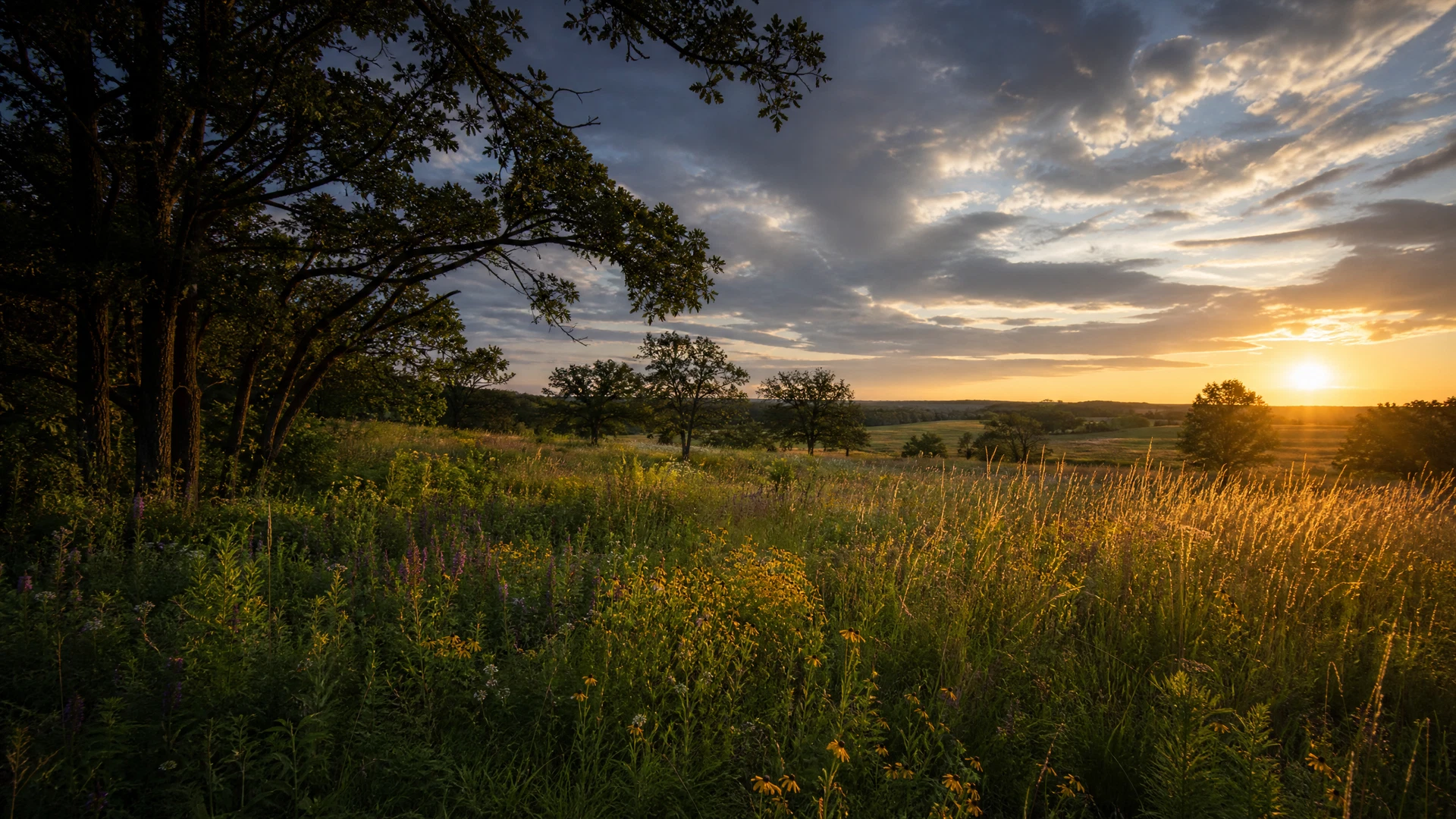
A vibrant prairie landscape at the arboretum
Woodland trails winding through the restored forest
Spring blooms in the horticultural gardens
Notable Collections
Longenecker Horticultural Gardens
Wisconsin's premier collection of hardy trees, shrubs, and vines featuring over 2,600 taxa.
Wisconsin Native Plant Garden
A 4-acre garden with 15 distinct areas demonstrating landscaping with native Wisconsin plants.
Viburnum Garden
A three-acre garden featuring a variety of viburnum and arborvitae selections.
Curtis Prairie
The world's oldest restored tallgrass prairie spanning 60 acres.
Plan Before You Go
Hours, Parking & Accessibility
Hours & Seasonal Timing
Arboretum Grounds: 4 a.m. to 10 p.m. daily; Visitor Center: 9:30 a.m. to 4 p.m. weekdays, 12:30 p.m. to 4 p.m. weekends
Best seasonal window: May to October
Parking & Arrival
Free parking available at the Visitor Center
Check the official visit page for event-day parking changes and arrival instructions.
Accessibility
Visitor Center and some paved trails are accessible; unpaved trails vary in terrain
Contact the garden before visiting to discuss route conditions, mobility equipment, or support needs.
Visitor details are reviewed from the garden's public information and were last checked May 2026. Policies, prices, and route conditions can change; confirm final arrangements directly with the garden.
Recognition & Awards
- National Historic Landmark (2021)
- National Register of Historic Places (2019)
Editorial Standards
This profile was prepared by the BotanicalGardens.blog editorial research desk using official garden pages and other named sources where available. Hours, admission, and access details can change; confirm them with the garden before a special trip. This profile was last reviewed May 2026. If you notice an inaccuracy, please contact us.
Plan Your Visit
May to October
Address
1207 Seminole Highway, Madison, WI 53711
Phone
(608) 263-7888
Hours
Arboretum Grounds: 4 a.m. to 10 p.m. daily; Visitor Center: 9:30 a.m. to 4 p.m. weekdays, 12:30 p.m. to 4 p.m. weekends
Admission
Free
Parking
Free parking available at the Visitor Center
Accessibility
Visitor Center and some paved trails are accessible; unpaved trails vary in terrain
Insider Tips
- 1Stay on designated trails to protect ecological communities
- 2Pets, picnics, and bicycles on unpaved trails are not permitted
- 3Visit the Longenecker Gardens in spring for the spectacular lilac bloom
- 4Stop by the Visitor Center for maps and current trail conditions
Nearby Attractions
- Henry Vilas Zoo (1.5 miles)
- Wisconsin State Capitol (3.5 miles)
- Olbrich Botanical Gardens (6.5 miles)