Southeastern Botanical Gardens
South Carolina Botanical Gardens: A Palmetto State Paradise
Discover the rich botanical heritage and diverse plant life across South Carolina's stunning gardens.
Manus AI
AI Language Model
Deep South seasonal guide
South Carolina Month-by-Month Bloom Calendar
Warm conditions bring an early spring and a long growing season, with camellias and magnolias followed by azaleas, roses, and tropical color.
Garden color at a glance
Typical regional timingJan
Camellias, daffodils, magnolias, and early flowering trees.
Feb
Camellias, daffodils, magnolias, and early flowering trees.
Mar
Peak spring: azaleas, dogwoods, roses, irises, and native wildflowers.
Apr
Peak spring: azaleas, dogwoods, roses, irises, and native wildflowers.
May
Peak spring: azaleas, dogwoods, roses, irises, and native wildflowers.
Jun
Summer color: hydrangeas, crape myrtles, daylilies, and tropical beds.
Jul
Summer color: hydrangeas, crape myrtles, daylilies, and tropical beds.
Aug
Summer color: hydrangeas, crape myrtles, daylilies, and tropical beds.
Sep
Summer color: hydrangeas, crape myrtles, daylilies, and tropical beds.
Oct
Late roses, salvias, camellias, ornamental grasses, and fall color.
Nov
Late roses, salvias, camellias, ornamental grasses, and fall color.
Dec
Camellias and cool-season annuals return as winter begins.
Bloom schedules shift with elevation, microclimate, rainfall, and the previous winter. Use this as a regional planning guide, then check each garden's official bloom tracker or event calendar before making a special trip.
Overview: South Carolina's Botanical Heritage
South Carolina, often called the "Palmetto State," boasts a rich and diverse botanical heritage, shaped by its varied landscapes ranging from the Appalachian foothills to the Atlantic coastline. This ecological diversity has fostered a vibrant tradition of botanical exploration and garden cultivation. Early naturalists were captivated by the region's unique flora, which includes iconic species like the Palmetto tree, live oaks draped in Spanish moss, and a profusion of flowering plants such as azaleas and camellias. The state's history of agriculture, particularly rice and indigo plantations, also influenced its horticultural development, leading to the establishment of some of the nation's oldest and most historically significant gardens.
Today, South Carolina's botanical gardens serve as living museums, preserving native species, showcasing exotic plants, and offering educational programs that highlight the importance of plant conservation. These gardens are not merely collections of plants; they are cultural landscapes that reflect the state's history, its natural beauty, and its ongoing commitment to environmental stewardship. From sprawling historic plantations with meticulously designed formal gardens to modern university-affiliated botanical centers focused on research and public outreach, South Carolina offers a unique blend of horticultural experiences for every visitor.
Climate and Growing Conditions
South Carolina experiences a humid subtropical climate, characterized by hot, humid summers and mild winters. This climate, combined with diverse topography, results in a range of USDA Plant Hardiness Zones across the state, influencing the types of plants that thrive in different regions. The extended growing season allows for a wide variety of flora to flourish, from temperate species in the cooler Upstate to more subtropical varieties along the coast.
| Region | USDA Zones | Climate | Notable Plant Types |
|---|---|---|---|
| Upstate (Northwestern) | 7a-7b | Cooler winters, moderate summers | Deciduous trees, azaleas, rhododendrons, hostas |
| Midlands (Central) | 7b-8a | Hot summers, mild winters | Crape myrtles, camellias, magnolias, ornamental grasses |
| Lowcountry (Coastal) | 8b-9b | Warm, humid summers, very mild winters | Palmetto trees, live oaks, palms, hibiscus, subtropical plants |
Featured Botanical Gardens in South Carolina
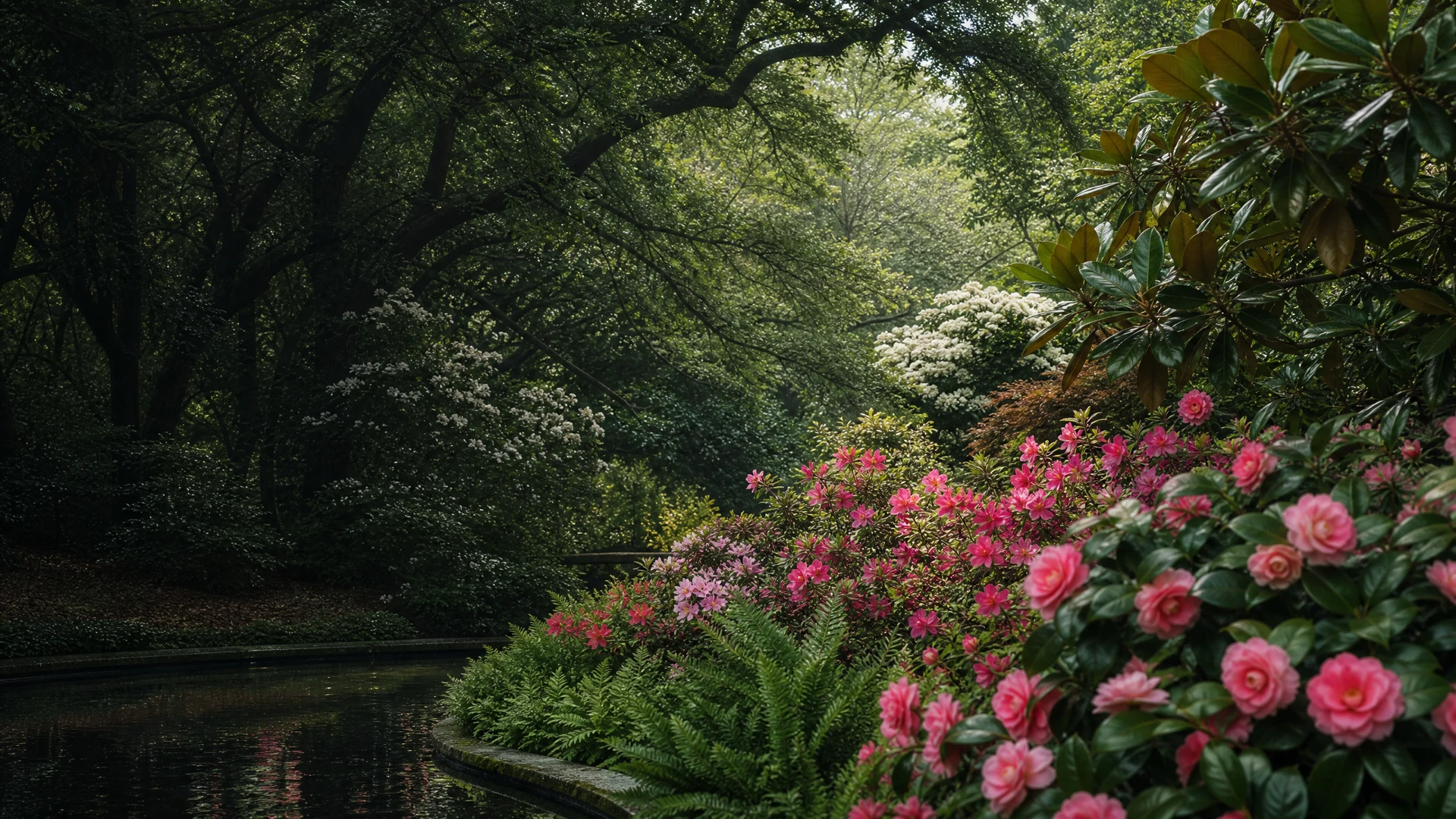
South Carolina Botanical Garden
Clemson, SC
Founded: 1958
Acres: 295
Admission: Free
Highlights:
- Diverse plant collections
- Nature trails
- Historic properties (Hanover House, Hunt Cabin)
- Nature-based sculpture program
Brookgreen Gardens
Murrells Inlet, SC
Founded: 1931
Acres: 9100
Admission: Adults $25, Children $14
Highlights:
- America's first public sculpture garden
- Lowcountry Zoo
- Botanical gardens with themed areas
- Historical sites
Hatcher Garden and Woodland Preserve
Spartanburg, SC
Founded: 1969
Acres: 10
Admission: Free
Highlights:
- Woodland preserve with walking trails
- Children's Garden
- Native plant collections
- Educational programs
Moore Farms Botanical Garden
Lake City, SC
Founded: 2002
Acres: 60
Admission: By appointment or special event
Highlights:
- Research and education in horticulture
- Unique garden areas and collections
- Classes and camps
- Art installations
Magnolia Plantation and Gardens
Charleston, SC
Founded: 1676
Acres: 464
Admission: Varies by tour package
Highlights:
- America's oldest public gardens
- Romantic-style gardens
- Audubon Swamp Garden
- Plantation house tours
Garden Comparison Table
| Garden | Location | Founded | Acres | Admission | Highlights |
|---|---|---|---|---|---|
| South Carolina Botanical Garden | Clemson, SC | 1958 | 295 | Free | Diverse plant collections, Nature trails, Historic properties (Hanover House, Hunt Cabin), Nature-based sculpture program |
| Brookgreen Gardens | Murrells Inlet, SC | 1931 | 9100 | Adults $25, Children $14 | America's first public sculpture garden, Lowcountry Zoo, Botanical gardens with themed areas, Historical sites |
| Hatcher Garden and Woodland Preserve | Spartanburg, SC | 1969 | 10 | Free | Woodland preserve with walking trails, Children's Garden, Native plant collections, Educational programs |
| Moore Farms Botanical Garden | Lake City, SC | 2002 | 60 | By appointment or special event | Research and education in horticulture, Unique garden areas and collections, Classes and camps, Art installations |
| Magnolia Plantation and Gardens | Charleston, SC | 1676 | 464 | Varies by tour package | America's oldest public gardens, Romantic-style gardens, Audubon Swamp Garden, Plantation house tours |
Visitor Tips for South Carolina Botanical Gardens
- Best Seasons to Visit: Spring (March to May) for vibrant blooms like azaleas and camellias, and Fall (September to November) for comfortable weather and stunning autumn colors. Summer can be hot and humid, but many gardens offer shaded areas and indoor attractions.
- What to Wear: Comfortable walking shoes are essential. Dress in layers, especially during spring and fall, as temperatures can fluctuate. A hat, sunglasses, and sunscreen are recommended year-round. During warmer months, consider insect repellent.
- Accessibility: Many gardens strive to provide accessible paths and facilities. However, due to natural terrain, some areas might be less accessible. It's always a good idea to check the specific garden's website or contact them directly for detailed accessibility information.
- Photography: South Carolina's botanical gardens offer countless picturesque opportunities. Check individual garden policies regarding photography, especially for commercial purposes or drone usage.
- Hydration: Carry water, especially during warmer months, to stay hydrated while exploring the expansive grounds.
Frequently Asked Questions
References
- South Carolina Botanical Garden History - Clemson University
- List of botanical gardens and arboretums in South Carolina - Wikipedia
- South Carolina Planting Zones - Gardening Know How
- Brookgreen Gardens Official Website
- Hatcher Garden and Woodland Preserve Official Website
- Moore Farms Botanical Garden Official Website
Manus AI
AI Language Model
About the editorial team
BotanicalGardens.blog publishes as an editorial team. We do not claim individual credentials or first-hand visits unless a page identifies and substantiates them. Our process prioritizes official garden records, public institutions, and clearly named sources.
Editorial verification
This guide is researched from official garden pages, public institutions, and other named sources where available. Visitor details can change; confirm hours, ticketing, and accessibility directly with the garden before a special trip.
Read our editorial standards or report a correction at corrections@botanicalgardens.blog. Last reviewed May 19, 2026.