New Hampshire Botanical Gardens: A Complete Guide
Discover the Granite State's hidden horticultural gems, from historic estates to innovative landscape designs.
BotanicalGardens.blog Editorial Team
Editorial research & source verification
Northeast & New England seasonal guide
New Hampshire Month-by-Month Bloom Calendar
Expect a defined but vivid warm-season arc: bulbs and flowering trees in spring, perennial abundance in summer, then notable foliage in autumn.
Garden color at a glance
Typical regional timingJan
Winter structure, indoor conservatory color, and very early witch hazel.
Feb
Winter structure, indoor conservatory color, and very early witch hazel.
Mar
Winter structure, indoor conservatory color, and very early witch hazel.
Apr
Daffodils, magnolias, cherries, ephemerals, and early azaleas.
May
Daffodils, magnolias, cherries, ephemerals, and early azaleas.
Jun
Peak garden season: roses, peonies, irises, lilacs, and water gardens.
Jul
Peak garden season: roses, peonies, irises, lilacs, and water gardens.
Aug
Late-summer borders: hydrangeas, lilies, natives, and pollinator plants.
Sep
Late-summer borders: hydrangeas, lilies, natives, and pollinator plants.
Oct
Maples, grasses, asters, berries, and fall foliage at its strongest.
Nov
Maples, grasses, asters, berries, and fall foliage at its strongest.
Dec
Evergreen structure and holiday greenhouse displays.
Bloom schedules shift with elevation, microclimate, rainfall, and the previous winter. Use this as a regional planning guide, then check each garden's official bloom tracker or event calendar before making a special trip.
Introduction to New Hampshire's Botanical Beauty
New Hampshire, often celebrated for its majestic mountains and picturesque coastline, also harbors a collection of botanical gardens that offer serene escapes and horticultural inspiration. These verdant havens showcase the resilience and beauty of plant life adapted to New England's distinct climate, providing a rich tapestry of colors, textures, and fragrances throughout the seasons. From historic estates preserving centuries-old designs to modern landscapes integrating art and nature, the Granite State's gardens are a testament to dedicated stewardship and innovative design.
Visiting these gardens provides an unparalleled opportunity to connect with nature, learn about diverse plant species, and appreciate the artistry involved in landscape architecture. Each garden tells a unique story, often intertwined with the state's rich history and the passionate individuals who brought these botanical visions to life. Whether you are a seasoned horticulturist or a casual admirer of natural beauty, New Hampshire's gardens promise an enriching and visually splendid experience.
This guide delves into some of New Hampshire's most notable botanical destinations, offering insights into their historical significance, unique features, and practical visitor information to help you plan your journey through these captivating landscapes.
Climate & Hardiness Zones in New Hampshire
New Hampshire's climate is characterized by cold, snowy winters and warm, humid summers, influencing the types of plants that thrive across the state. The USDA Plant Hardiness Zone Map is an essential tool for gardeners, indicating which plants are most likely to survive winter temperatures in a particular location. New Hampshire primarily falls within USDA Zones 4b to 6a, with variations depending on elevation and proximity to the coast.
| Region | USDA Hardiness Zones | Typical Winter Lows |
|---|---|---|
| Northern New Hampshire (White Mountains) | 4b (-25 to -20°F) | -25°F |
| Central New Hampshire | 5a (-20 to -15°F) | -20°F |
| Southern New Hampshire & Seacoast | 5b to 6a (-15 to -5°F) | -10°F |
Understanding these zones helps gardeners select appropriate plants that can withstand the local climate, ensuring successful and thriving landscapes. The botanical gardens across New Hampshire often feature plant collections specifically chosen for their adaptability to these conditions, providing excellent examples for home gardeners.
Featured Gardens of New Hampshire
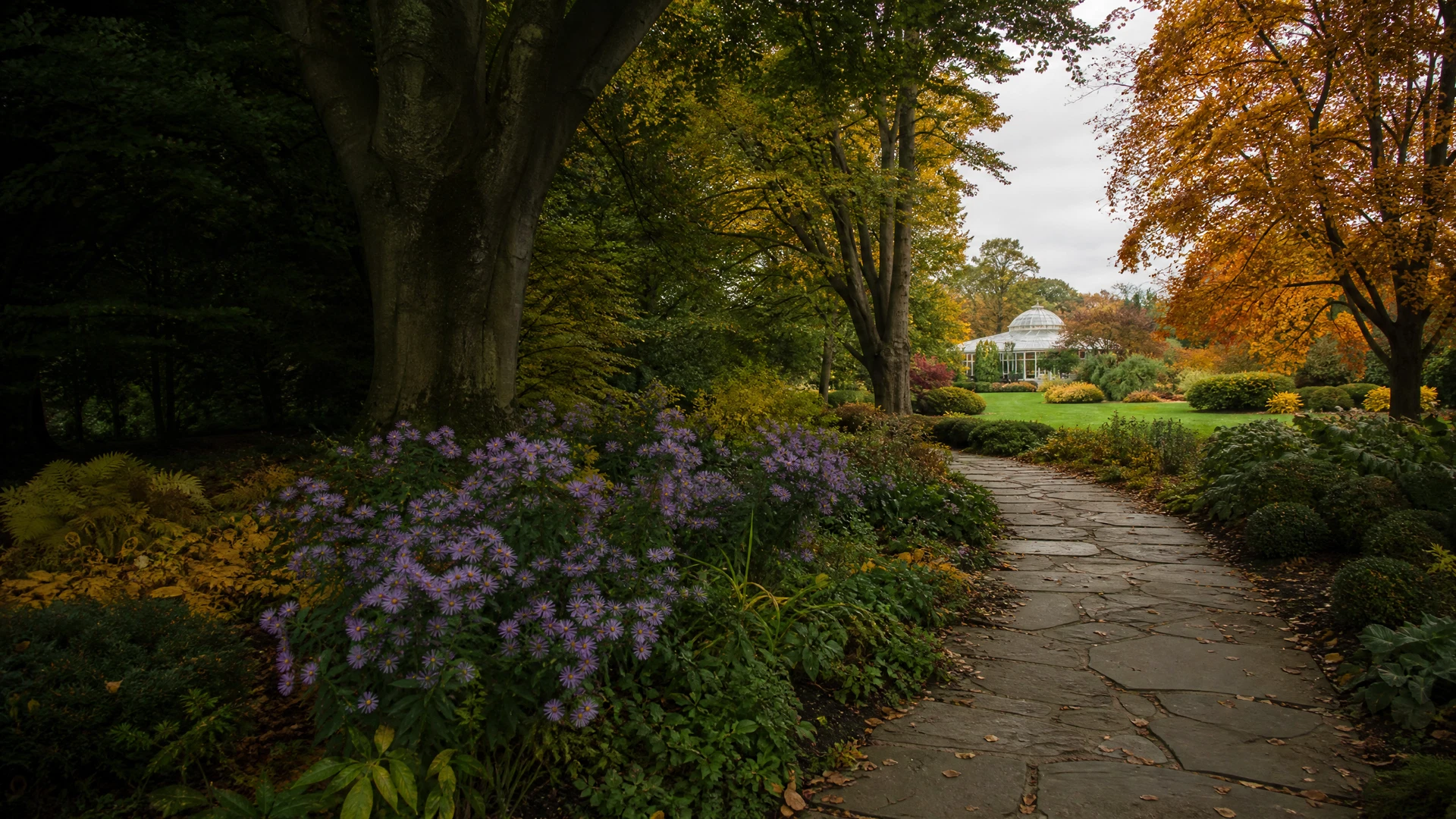
Bedrock Gardens
Founded: 1987 | 30 acres
Lee, NH
Iconic Feature: Unique sculptures integrated with diverse botanical specimens
Fuller Gardens
Founded: 1927 | 3 acres
North Hampton, NH
Iconic Feature: Formal Colonial Revival rose gardens designed by the Olmsted Firm
Kirkwood Gardens
Founded: 1996 | 1 acres
Holderness, NH
Iconic Feature: A tranquil garden designed to attract birds, bees, and butterflies
Prescott Park
Founded: 1954 | 10 acres
Portsmouth, NH
Iconic Feature: Waterfront park with extensive annual and perennial displays
Garden Comparison Table
| Garden | Location | Founded | Acres | Admission | Iconic Feature |
|---|---|---|---|---|---|
| Bedrock Gardens | Lee, NH | 1987 | 30 | Adults $15, Children 12 and under free | Unique sculptures integrated with diverse botanical specimens |
| Fuller Gardens | North Hampton, NH | 1927 | 3 | Adults $12.00, Seniors $10.00, Students $8.00, Children under 12 $6.00 | Formal Colonial Revival rose gardens designed by the Olmsted Firm |
| Kirkwood Gardens | Holderness, NH | 1996 | 1 | Included with Squam Lakes Natural Science Center admission | A tranquil garden designed to attract birds, bees, and butterflies |
| Prescott Park | Portsmouth, NH | 1954 | 10 | Free | Waterfront park with extensive annual and perennial displays |
Visitor Planning Tips
- Check Seasonal Hours: Garden operating hours and peak bloom times can vary significantly by season. Always check the official website before your visit.
- Dress Comfortably: Wear comfortable walking shoes and weather-appropriate attire, as you'll likely be exploring extensive grounds.
- Hydrate and Protect: Bring water, especially during warmer months, and consider sunscreen and hats for sun protection.
- Photography: Most gardens welcome photography for personal use, but inquire about policies for commercial photography or drones.
- Respect the Gardens: Stay on designated paths, do not pick flowers or disturb plants, and dispose of trash properly to preserve the beauty for all visitors.
- Accessibility: If you have accessibility needs, review the garden's specific information or contact them directly to ensure a comfortable visit.
Frequently Asked Questions
References
- Bedrock Gardens. (n.d.). History. Retrieved from https://www.bedrockgardens.org/history.html
- Fuller Gardens. (n.d.). Garden History. Retrieved from https://fullergardens.org/about-fuller-gardens/garden-history/
- Squam Lakes Natural Science Center. (n.d.). Kirkwood Gardens. Retrieved from https://nhnature.org/visit/kirkwood_gardens.php
- City of Portsmouth. (n.d.). Prescott Park. Retrieved from https://www.portsmouthnh.gov/prescottpark
- USDA Agricultural Research Service. (n.d.). USDA Plant Hardiness Zone Map. Retrieved from https://planthardiness.ars.usda.gov/
BotanicalGardens.blog Editorial Team
Editorial research & source verification
About the editorial team
BotanicalGardens.blog publishes as an editorial team. We do not claim individual credentials or first-hand visits unless a page identifies and substantiates them. Our process prioritizes official garden records, public institutions, and clearly named sources.
This guide was last updated May 1, 2026 and is reviewed whenever a garden changes visitor information, seasonal programming, or access policies.
Editorial verification
This guide is researched from official garden pages, public institutions, and other named sources where available. Visitor details can change; confirm hours, ticketing, and accessibility directly with the garden before a special trip.
Read our editorial standards or report a correction at corrections@botanicalgardens.blog. Last reviewed May 2026.